
Why You Shouldn’t Rely on Staff for Cleaning
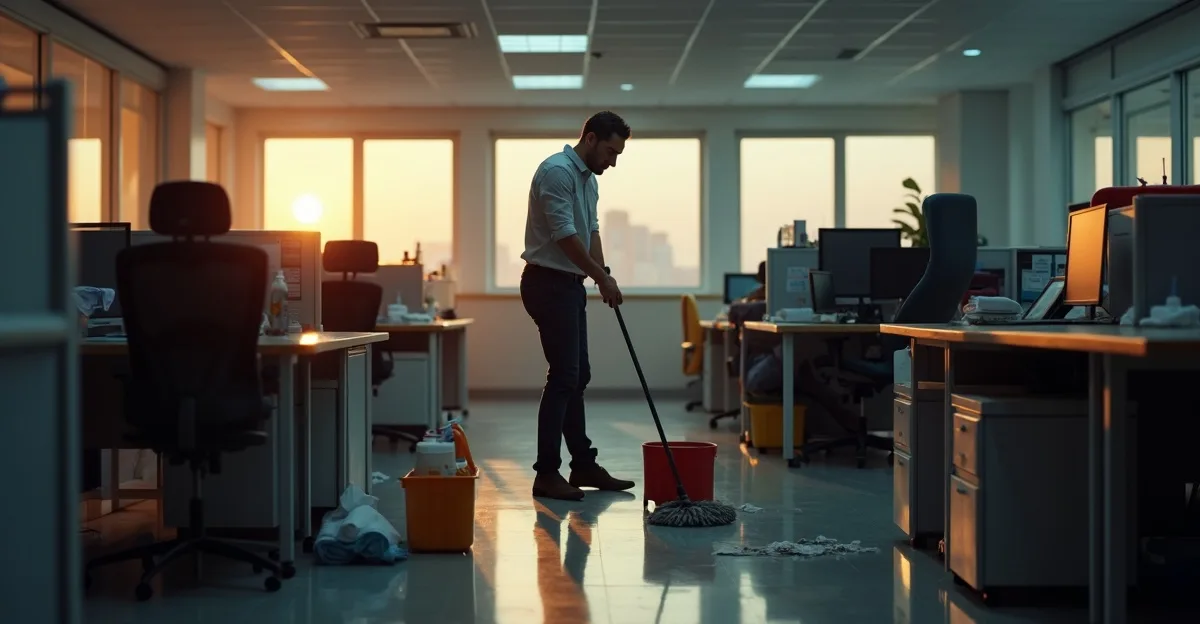
Many businesses delegate cleaning to existing employees to cut costs, yet the real drawbacks of staff cleaning appear in inconsistent standards, compliance gaps, and higher liability. We often see issues surface after problems arise. When cleaning lacks structure, training, and accountability, workplaces absorb hidden labour costs, regulatory exposure, and risks that quickly erase any short-term savings.
Key Takeaways
- Staff cleaning often leads to inconsistent results because most employees lack formal training, documented processes, and supervision.
We regularly find that internal teams do their best, yet without structured instruction and clear procedures, results vary from day to day. Inconsistent execution affects hygiene, presentation, and safety. - In-house arrangements increase compliance and liability risks, especially in offices, strata buildings, and medical centres with strict hygiene requirements.
We see compliance requirements tighten across commercial sites. Without defined systems and recorded checks, businesses expose themselves to audit failures, complaints, and potential claims. - The true cost of in-house cleaning vs outsourcing includes lost productivity, management oversight, equipment expenses, and insurance exposure.
We account for labour hours, supervision time, equipment purchase, consumables, and insurance considerations. Once we calculate these factors, the perceived savings often shrink or disappear. - Blurred responsibility and added cleaning duties can reduce staff morale, create safety risks, and weaken accountability.
We notice morale drop when employees juggle primary roles with cleaning tasks. Confusion over responsibility increases the chance of missed duties and workplace injuries. - Structured professional cleaning programs provide clear scopes, documented systems, and predictable standards that reduce long-term operational risk.
We implement defined scopes, reporting systems, and routine quality checks. Clear accountability and consistent processes protect operations and support reliable standards over time.
What Looks Cost-Effective on Paper Often Creates Bigger Risks
Many businesses assign cleaning tasks to existing staff because it seems cheaper and easier. Receptionists wipe benches. Admin staff empty bins. Maintenance teams clean bathrooms between other jobs. It feels practical and in control.
On paper, using in-house staff instead of professional commercial cleaning services looks like a cost-saving move. There’s no separate contract. No external team coming in. No additional supplier to manage.
The appeal is understandable.
However, the real issue with staff cleaning is rarely about effort. Teams usually try their best. The problem sits in structure, training, and accountability. The true cost of in-house cleaning vs outsourcing includes hidden labour expenses, compliance exposure, and serious cleaning liability risks.
Offices, strata buildings, and medical centres in Adelaide and Sydney face high expectations. Presentation matters. Workplace hygiene compliance matters even more. Tenant satisfaction, patient trust, and company reputation all depend on consistent standards.
When the full operational and regulatory picture is considered, what looks “cost-effective” often becomes costly over time.
Inconsistent Standards and Lack of Specialist Training
In many workplaces, cleaning becomes an add-on responsibility. A receptionist wipes down common areas. A facilities manager empties bins. Medical admin staff clean treatment rooms between appointments.
Those tasks might seem straightforward. But professional cleaning requires more than surface-level effort.
Without formal training, staff often don’t understand:
- Correct disinfectant dwell times
- Cross-contamination prevention techniques
- Colour-coded cleaning systems used to prevent cross-contamination
- Proper high-touch point disinfection procedures
Bathrooms, shared kitchens, waiting rooms, and lifts demand consistent processes. Without documented systems, outcomes depend entirely on whoever is available that day. One shift may leave areas spotless. Another may miss critical touchpoints.
That inconsistency creates risk.
Medical centres must meet strict hygiene expectations. Strata buildings need reliable common area presentation. Offices require predictable cleanliness for staff wellbeing and client impressions. Adding cleaning to someone’s primary role rarely delivers uniform results.
The issue isn’t effort. It’s the absence of a professional process. Structured office cleaning programs rely on trained teams, detailed task lists, and supervision. That structure is hard to replicate with ad-hoc internal arrangements.
For workplaces unsure whether standards are slipping, reviewing the signs of a poorly cleaned office can reveal early warning indicators.
Compliance and Regulatory Exposure in Offices, Strata, and Medical Settings
Workplace hygiene compliance isn’t optional. It’s a legal and operational responsibility.
Medical centres face infection control standards, correct waste disposal procedures, and documented cleaning schedules. Strata managers must maintain common areas, handle waste correctly, and demonstrate contractor safety compliance. Offices fall under general WHS requirements covering safe chemical handling, PPE use, and hazard management.
Without documented processes, audits become high-risk events.
Professional cleaners maintain clear logs. They follow defined methods. They understand safe chemical storage and dilution. Staff covering cleaning between other duties rarely receive this depth of training.
Commercial cleaning compliance requires:
- Documented cleaning schedules
- Safe chemical handling practices
- Incident reporting procedures
- Clear supervision and review systems
If poor sanitation contributes to illness, injury, or tenant complaints, liability increases. The financial implications can quickly outweigh any perceived wage savings.
Many businesses underestimate this exposure. Cleaning liability risks don’t appear immediately. They surface during inspections, complaints, insurance claims, or regulatory reviews.
Professional janitorial services reduce uncertainty. Defined scopes, trained teams, and ongoing oversight protect organisations from the gaps that in-house arrangements often leave behind.
For many businesses, risk management—not cost—is the deciding factor.
The Hidden Costs Most Businesses Don’t Calculate
Hourly wages rarely tell the full story.
Direct pay is only one element in the cost of in-house cleaning vs outsourcing. Several hidden expenses quietly accumulate in staff cleaning arrangements.
These typically include:
- Lost productivity when skilled employees step away from their primary role
- Manager time spent supervising cleaning quality
- Covering gaps during sick leave or holidays
- Recruitment and retraining when staff change
A receptionist hired for client service shouldn’t spend valuable hours managing cleaning supplies. A practice manager overseeing treatment schedules shouldn’t troubleshoot disinfectant dilution.
Equipment also adds cost. Vacuums, mop systems, trolleys, consumables, and storage space all require purchasing and upkeep. Chemical supply management carries safety responsibilities. Poor storage can breach hazardous chemical storage requirements under SafeWork regulations.
Insurance exposure rises as well. If a staff member injures themselves while cleaning or mishandles chemicals, liability shifts internally.
Decision-makers must assess the total operational impact. Comparing a cleaner’s hourly rate to an internal salary oversimplifies the equation.
Professional teams arrive equipped, trained, and supervised. They follow structured systems. They understand how often offices should be professionally cleaned based on traffic and usage, not guesswork.
When calculating full costs, outsourcing frequently delivers stronger value and lower long-term risk.
Accountability, Safety, and Staff Morale
In-house arrangements often blur responsibility.
Without a formal service level agreement, checklist, or measurable KPI, quality becomes subjective. If standards drop, managers face difficult conversations with team members whose main job isn’t cleaning.
That dynamic creates tension.
Workplace injuries increase risk, particularly slips, trips and falls identified by Safe Work Australia as common workplace incidents. Incorrect lifting while moving equipment. Exposure to cleaning chemicals without proper PPE. These aren’t minor concerns—they’re serious liabilities.
Role dilution affects morale. Employees hired for professional or administrative work may feel undervalued when tasked with routine cleaning duties. Over time, that impacts engagement and retention.
Clear structures protect everyone.
Defined scopes and supervision frameworks, like those used in corporate workplace cleaning, remove ambiguity. Tasks are documented. Performance is reviewed. Reporting is consistent.
Accountability strengthens hygiene standards and protects staff safety. It also preserves professional roles within the organisation.
A well-run cleaning program supports staff. It doesn’t distract them from their core work.
When It Makes Sense to Reassess Your Cleaning Approach
Recurring complaints. Inconsistent presentation. Rising absenteeism. Failed inspections. Unclear responsibility.
These are signs that the current setup may need review.
Leaders should ask:
- Are we consistently meeting medical centre or strata cleaning requirements?
- Do we have documented systems ensuring commercial cleaning compliance?
- Have we calculated the full hidden costs of staff cleaning?
A practical review is the smartest first step. An immediate overhaul isn’t always necessary. However, ignoring small issues allows them to grow into operational or compliance problems.
For high-traffic offices, medical facilities, and strata complexes, structured professional support is often the safer long-term solution. Defined scopes, trained teams, and documented processes create predictability.
Understanding what makes a good commercial cleaner helps compare options objectively. Clear expectations lead to better outcomes.
Regular quality checks also matter. Learning how to measure cleaning quality in offices ensures standards remain high over time.
We clean offices. Big ones, small ones, and everything in between. If it’s time to review the current cleaning structure, the right move is to strengthen systems before problems escalate. A clear assessment today can prevent disruption tomorrow.
Frequently Asked Questions
The main drawbacks of staff cleaning include inconsistent standards, lack of formal training, and increased liability risk. Employees typically focus on their primary roles, so cleaning becomes secondary and less structured. Without documented procedures or supervision, hygiene quality can vary daily, which may lead to compliance issues, safety hazards, and reputational damage over time.
Using employees for cleaning may seem cheaper upfront, but hidden costs often reduce savings. Lost productivity, management oversight, equipment purchases, and insurance exposure all add up. When businesses calculate total labour hours and risk, outsourcing to professional cleaners frequently provides better long-term value and predictable service standards.
Staff cleaning can increase compliance risks because most employees are not trained in infection control, chemical handling, or documented cleaning systems. Without proper records and supervision, businesses may fail audits or inspections. If poor sanitation contributes to illness or injury, liability falls on the organisation, potentially leading to claims or regulatory penalties.
Yes, assigning cleaning duties can lower morale and reduce productivity. When employees juggle cleaning with their primary responsibilities, role confusion and frustration can develop. Skilled staff may feel undervalued, and time spent on cleaning reduces focus on core tasks. Over time, this can impact engagement, efficiency, and retention.
A business should reassess in-house cleaning when it notices recurring complaints, inconsistent presentation, failed inspections, or unclear accountability. Rising absenteeism or safety incidents may also signal problems. Reviewing cleaning systems, compliance documentation, and total operational costs helps determine whether structured professional cleaning would reduce long-term risk.