
When Should You Review Your Cleaning Plan?
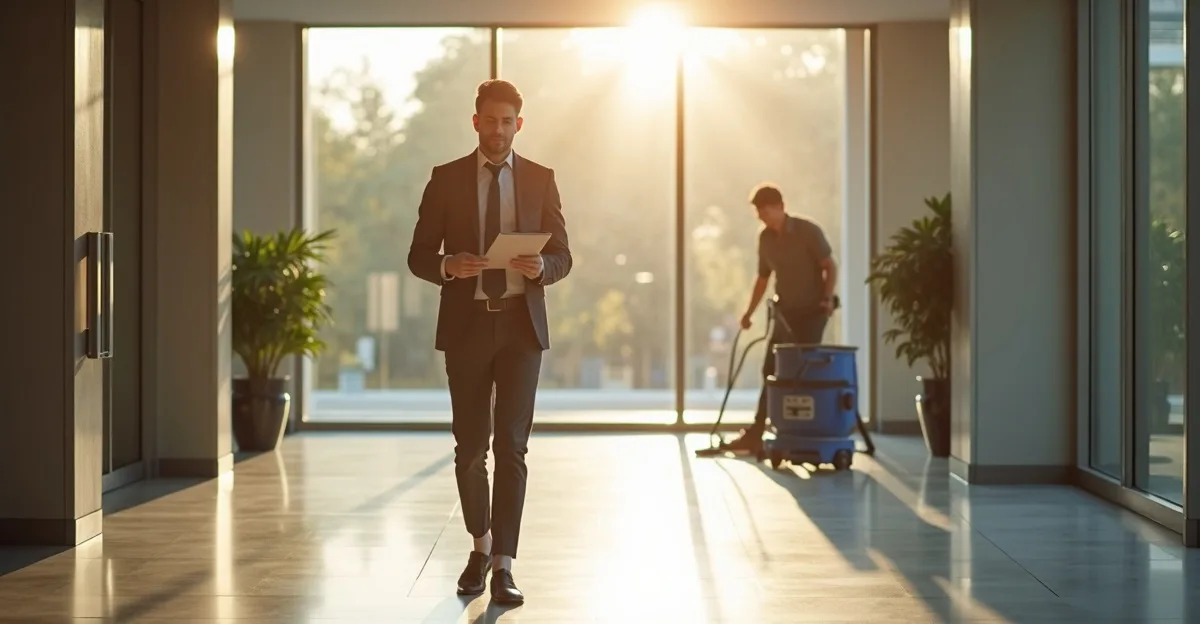
Reviewing commercial cleaning services before small quality gaps turn into complaints, compliance risks, or tenant dissatisfaction protects our properties and reputation. When building usage, staffing, documentation, or standards shift, we need a structured review to confirm our cleaning plan still aligns with daily operations. Regular reviews give us control. They prevent reactive decisions and protect service quality.
Key Takeaways
- Recurring quality issues, failed inspections, communication breakdowns, and rising complaints signal that we must initiate a formal service review.
- Operational shifts such as business growth, longer opening hours, refurbishments, or portfolio expansion require us to adjust cleaning scope and service frequency.
- Compliance requirements in offices, strata properties, and medical centres demand documented procedures, transparent reporting, and consistent performance standards.
- A structured cleaning review evaluates scope of works, KPIs, documentation, team stability, and pricing in direct comparison to agreed deliverables.
- If several warning signs appear or a contract renewal approaches, we should schedule a review to keep decisions proactive and supported by data.
The Real Cost of Waiting Too Long to Review Your Cleaning Plan
Reviewing commercial cleaning services is a proactive step. It prevents small gaps from turning into complaints, compliance risks, or tenant dissatisfaction.
A cleaning review isn’t the same as deciding when to change cleaning company. It’s a structured check-in. We assess performance, risks, and alignment with current building needs before issues escalate.
Commercial property managers in Adelaide and Sydney carry constant pressure. Costs must be controlled. Contractors must be coordinated. Presentation standards must stay consistent across one or multiple sites. Cleaning is often expected to run quietly in the background. But when it slips, it’s visible to everyone.
A cleaning provider evaluation should be treated like any operational audit. Structured. Scheduled. Low risk. That’s how we approach a commercial cleaning review—clear benchmarks, measurable outcomes, and practical adjustments.
Waiting too long usually costs more. Reactive fixes, emergency deep cleans, tenant dissatisfaction, and strained contractor relationships all add friction. Reviewing performance early keeps control on your side.
Clear Signs It’s Time to Review Commercial Cleaning Services
Some signs are subtle. Others are hard to ignore. Either way, patterns matter more than isolated issues.
Recurring quality problems often show up first. Missed bins. Smudged glass. Build-up in high-traffic areas. If the same tasks require repeated follow-up, that signals cleaning service performance issues.
Inspection results tell an honest story. If internal walkthroughs fail office cleaning standards, or facility cleaning checklist sign-offs are inconsistent, the service may be reactive instead of planned. Our guide on the signs of a poorly cleaned office covers the most common red flags.
Communication breakdown creates friction. Slow responses. No clear escalation path. Limited reporting. Unclear scope of works. Without documentation, accountability becomes unclear.
Staffing instability also affects results. High cleaner turnover leads to retraining gaps and inconsistent site knowledge. That inconsistency often shows up in shared spaces and amenities.
Tenant and staff feedback is another indicator. Increased comments about bathrooms, kitchens, and shared desks usually point to declining service standards.
Budget reviews and upcoming renewal dates are natural checkpoints. They’re practical moments to review cleaning contract terms and pricing against current scope.
If three or more of these issues are present, a structured commercial cleaning audit makes sense. It doesn’t mean termination. It means gathering facts before making decisions.
Operational Changes That Should Trigger a Cleaning Review
Cleaning plans are written for a specific footprint and usage pattern. When operations shift, the scope must shift with it.
Growth is a common trigger. Additional floors. Higher headcount. A return from hybrid to full-time office use. New locations added to the portfolio. Each change increases traffic, waste, and amenities usage.
Expanded portfolios require consistency. Managing multiple sites demands aligned office cleaning standards and reporting formats. Without alignment, quality varies across properties.
Extended operating hours also matter. Longer occupancy means more washroom servicing, more consumables, and more frequent high-touch area sanitising, consistent with industry cleaning frequency best-practice standards. We often reassess frequency by referring back to practical benchmarks, like those outlined in how often offices should be professionally cleaned.
Fit-outs and refurbishments are another trigger. New flooring, upgraded kitchens, or redesigned breakout areas require updated methods and equipment. Old scopes rarely account for new materials and layouts.
Mergers, acquisitions, or property restructures can also affect contractor coordination and pricing models. That’s when a cleaning provider evaluation ensures the agreement still reflects operational reality.
A clear facility cleaning checklist keeps everything aligned. We break down what tasks should be covered in our office cleaning checklist guide. When actual building use no longer matches that checklist, the plan needs updating.
Assumptions written years ago don’t reflect current traffic, hybrid schedules, or upgraded amenities. Reviewing keeps the cleaning plan aligned with how the building is actually used today.
Compliance and Risk: Offices, Strata, and Medical Centres Cannot Afford Gaps
Compliance expectations evolve. Cleaning plans must keep pace.
Commercial cleaning compliance Australia standards, as outlined under Safe Work Australia’s workplace health and safety duties and documentation guidance, continue to emphasise documentation, chemical safety, and infection control awareness. Without proper records, it’s difficult to demonstrate adherence.
Medical centre cleaning requirements are stricter, consistent with Australian infection prevention and control guidance for healthcare settings. Clear protocols, documented procedures, and infection control understanding are mandatory. In healthcare spaces, missed steps can carry serious consequences. That’s why many operators invest in specialised medical facility cleaning services with formal reporting.
Strata cleaning compliance also carries accountability. Common areas must present well, and SafeWork NSW guidance on workplace safety responsibilities confirms WHS obligations must be met.
Documentation gaps are one of the biggest risks. If no task logs exist, no inspection reports are kept, and chemical usage isn’t recorded in line with hazardous chemical and Safety Data Sheet (SDS) workplace requirements, risk exposure increases. A commercial cleaning review identifies these weak points before they become formal complaints.
Hygiene gaps damage reputation quickly. In high-density offices and medical premises, perception matters. Reviewing the plan reduces risk, protects tenants, and maintains trust.
What a Structured Cleaning Review Actually Involves
A review does not automatically mean switching providers. It’s a structured cleaning provider evaluation focused on performance against clear criteria.
A practical commercial cleaning review typically covers five areas:
- Compare the current scope of works against actual building use.
- Review KPIs such as response time, complaint resolution time, and inspection scores.
- Examine documentation including reports, communication logs, and compliance checklists.
- Assess staffing consistency, supervision, and training structure.
- Benchmark pricing against scope, frequency, and deliverables rather than headline cost alone.
That process forms the backbone of a commercial cleaning audit. It provides measurable data instead of assumptions.
Part of the review should involve checking whether the scope aligns with what office cleaning involves today. High-touch expectations, shared desk sanitising, and flexible space layouts have shifted standard practice.
Where appropriate, targeted services like high-touch surface cleaning or periodic deep cleaning services may need formal inclusion in the contract.
We recommend scheduling a review annually or during contract renewal. Waiting until complaints escalate limits options. Reviewing early keeps discussions constructive and data-driven when deciding whether to review cleaning contract terms or renegotiate scope.
A Practical Checklist for Deciding Whether to Review Now
Use this simple yes-or-no framework to assess timing:
- Have complaints increased in the past 6–12 months?
- Has building size, usage, or headcount changed?
- Are compliance expectations higher than when the contract began?
- Is reporting clear, consistent, and measurable?
- Are contract renewal or budget planning periods approaching?
- Has staff or tenant hygiene feedback become more frequent?
If three or more answers are “yes,” it’s likely time to start a commercial cleaning review.
A review doesn’t lock anyone into change. It provides clarity. Many property managers request a fresh perspective before making decisions about office cleaning services or broader commercial cleaning services across their portfolio.
We treat every review as a partnership exercise. Clear reporting. Practical recommendations. No unnecessary disruption. If a second opinion helps, we’re available for a structured assessment through our contact page.
Consistent presentation builds trust with tenants, staff, and stakeholders. Scheduled reviews protect that standard and keep cleaning plans aligned with how each building truly operates.
Frequently Asked Questions
The best time to start reviewing commercial cleaning services is before small issues become formal complaints or compliance risks. Regular annual reviews, contract renewal periods, or after operational changes like increased occupancy are ideal checkpoints. Proactive evaluations help confirm that cleaning scope, frequency, and reporting still align with current building use and performance expectations.
Commercial cleaning services should typically be reviewed at least once per year. However, reviews may be needed sooner if complaints increase, inspection scores decline, or building usage changes. Regular performance audits ensure service levels remain consistent, KPIs are met, and the cleaning plan reflects current operational demands rather than outdated assumptions.
Warning signs include recurring missed tasks, failed inspections, slow communication, and rising tenant complaints. High staff turnover or inconsistent reporting can also indicate service gaps. When these patterns appear repeatedly, reviewing commercial cleaning services helps identify root causes and determine whether scope adjustments, performance improvements, or contract renegotiation are required.
Yes, operational changes directly affect cleaning requirements. Increased headcount, longer opening hours, refurbishments, or portfolio expansion raise traffic levels and hygiene demands. Reviewing commercial cleaning services after these changes ensures frequency, staffing levels, and task lists reflect actual building use and prevent gradual declines in cleanliness standards.
A commercial cleaning service review should assess scope of works, KPIs, inspection results, documentation, staffing stability, and pricing structure. It should compare agreed deliverables with actual performance and building needs. This structured approach provides measurable data, reduces assumptions, and supports informed decisions about service adjustments or contract renewal.