
When Is the Best Time for Office Cleaning?
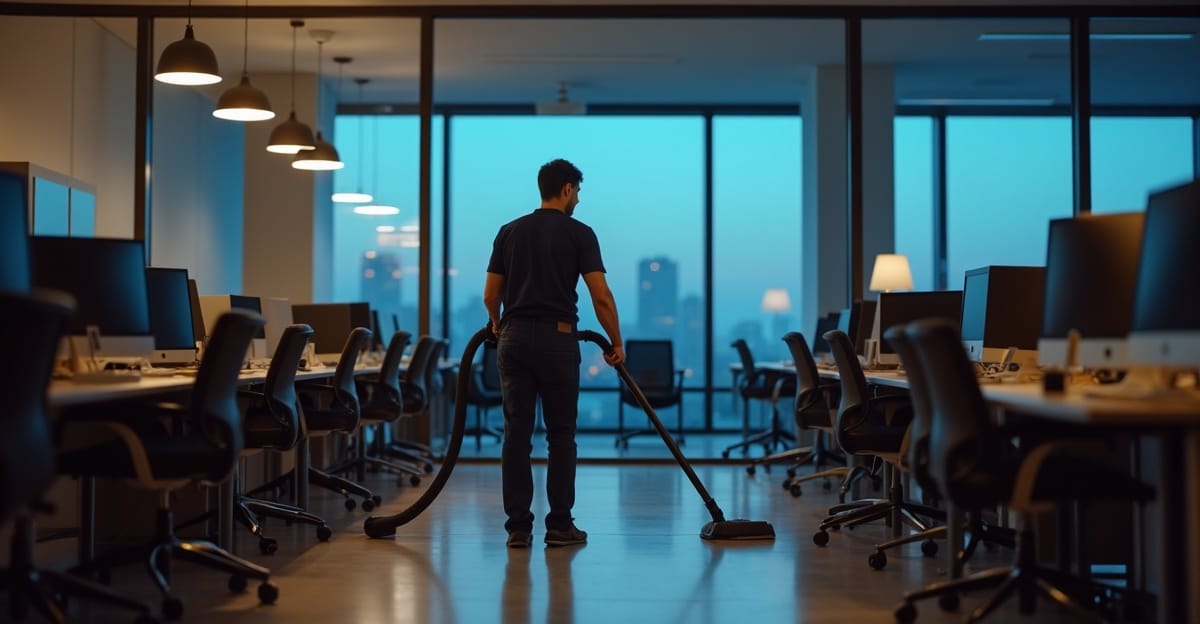
Choosing the best office cleaning schedule depends on how we use our workplace, how many people move through it, and the level of risk tied to our industry. We align the timing—daytime, after-hours, or a combination—with daily hygiene needs, deeper scheduled tasks, compliance obligations, and minimal disruption to operations.
Key Takeaways
- We cover bathrooms, kitchens, high-touch surfaces, waste removal, and high-traffic floors daily to protect hygiene and safety.
- We schedule weekly, monthly, and quarterly services such as internal glass cleaning, carpet steam cleaning, and deep kitchen cleans to protect presentation and extend asset life.
- We match the timing of office cleaning to staff numbers, visitor traffic, shared amenities, industry regulations, and overall risk profile.
- We use after-hours cleaning to limit disruption and support confidentiality, and we use daytime cleaning to increase visibility and resolve issues quickly.
- We apply stricter, more frequent cleaning schedules in medical centres and strata properties to meet compliance standards and manage constant foot traffic.
How Often Should an Office Be Cleaned? Clear Frequency Benchmarks
How often should an office be cleaned? The answer depends on how the space is used, how many people move through it, and the level of risk the business carries.
Every workplace needs a structured commercial cleaning schedule. That schedule should balance hygiene, risk management, staff wellbeing, and presentation — not just cost control. Below is a practical framework we use across our office cleaning services to set clear expectations.
Daily Office Cleaning Tasks
Daily cleaning keeps an office functional, hygienic, and safe. In high-traffic office cleaning environments, these tasks are non-negotiable:
- Bathrooms and amenities cleaned and sanitised.
- Kitchen and breakroom benches disinfected.
- High-touch points such as door handles, lift buttons, shared desks, light switches, and tapware wiped and sanitised.
- Waste removal and bin relining.
- Vacuuming or mopping high-traffic floor areas.
- Spot cleaning of visible marks on glass and walls.
Shared kitchens require particular attention. If teams regularly eat onsite, follow structured guidance such as this breakdown on how often shared kitchens should be cleaned to avoid hygiene issues building up quickly.
High-touch surface disinfection is critical in offices with visitors or shared desks, particularly in line with Safe Work Australia workplace hygiene guidance. We often recommend scheduled high-touch surface cleaning to reduce illness transmission risk and support workplace health policies.
Weekly, Monthly and Quarterly Office Cleaning Tasks
Beyond the daily reset, offices need routine deeper attention to maintain standards.
Weekly tasks typically include:
- Full vacuuming of all carpeted areas.
- Internal glass cleaning, including partitions and entry doors.
- Desk wipe-downs where clear-desk policies allow.
- Meeting room resets and light wall spot cleaning.
- Kitchen appliance wipe-downs, including microwaves and fridge interiors.
Monthly and quarterly tasks protect long-term presentation and asset life:
- Carpet steam cleaning (quarterly or biannually, depending on traffic), consistent with IICRC commercial carpet maintenance standards.
- Deep kitchen cleans.
- High dusting of vents, air returns, and elevated ledges.
- Upholstery cleaning.
- Strip and seal of hard floors as required.
Understanding the difference matters. If teams are unsure about task depth, review this guide on deep vs regular cleaning to clarify scope and expectations.
The best office cleaning schedule aligns these layers — daily, weekly, and periodic — into one clear, documented plan.
What Actually Determines the Best Office Cleaning Schedule?
There’s no one-size-fits-all model. Cleaning needs shift significantly from one facility to another.
The best office cleaning schedule is based on usage patterns, compliance requirements, and operational demands. Key factors include:
- Number of staff onsite daily.
- Visitor volume, including clients and contractors.
- Facility size and layout.
- Number of shared amenities.
- Industry type, such as corporate, medical, strata, or mixed-use.
- Office cleaning compliance requirements.
- Infection control or public access risk profile.
A 10-person office with minimal external visitors may only require short daily service paired with weekly detail cleaning. Compare that to a 60-person workplace operating shared desks and busy meeting rooms. That site will require more frequent touchpoint disinfection and longer daily attendance.
Customer-facing businesses present another layer. A high-traffic office cleaning environment cannot rely on minimal daily service. Clean entrances, glass, bathrooms, and presentation areas directly affect brand perception.
Shared kitchens and bathrooms also increase risk exposure. Offices with these amenities need stricter daily cleaning standards than small private suites.
For larger or multi-level sites, especially in metropolitan markets, location-specific planning matters. Teams operating in Sydney CBD, for example, often require structured office cleaning in Sydney that aligns with building access windows and managing agent requirements.
Decision-makers benefit from reviewing benchmarks like this practical resource on how often offices should be professionally cleaned. Clear standards support confident, informed decisions.
Daytime vs After-Hours Office Cleaning: Which Is Better?
Timing affects efficiency, security, and staff experience. Both after-hours office cleaning and daytime office cleaning have clear advantages.
After-hours office cleaning reduces disruption to productivity. Cleaners work without employees moving through space. Access is simpler. Security protocols are easier to manage in document-sensitive workplaces. Teams can complete vacuuming, machine scrubbing, and detailed tasks without navigating around desks in use.
Many corporate offices prefer this model, especially where confidentiality matters. Our experience across corporate workplace cleaning has shown that after-hours service supports consistency and discretion.
Daytime office cleaning offers different benefits. Visible cleaning reinforces hygiene standards. Immediate response to spills or unexpected issues maintains presentation. This approach suits medical practices, training facilities, and customer-facing workplaces where appearance matters throughout the day.
Strata and mixed-use buildings often benefit from staggered service. Continuous foot traffic in shared lobbies and amenities may require daytime refreshes combined with after-hours detailing.
Operational considerations include:
- Alarm and key access procedures.
- Confidential document exposure.
- Tenant and landlord expectations.
- Infection control visibility.
Understanding these trade-offs helps determine the right commercial cleaning schedule. Businesses weighing options can also review the practical advantages outlined in this article on benefits of after-hours cleaning for businesses.
Many sites ultimately adopt a hybrid model. Daily presentation cleaning occurs during the day, while heavier floor work and detailed cleaning occur after hours.
Special Requirements for Medical Centres and Strata Properties
Medical centre cleaning requirements are stricter than standard corporate offices, particularly under Australian Department of Health infection control guidelines. These environments demand documented procedures, clear chemical use protocols, and heightened infection control.
Waiting rooms, treatment rooms, bathrooms, and high-touch surfaces often require daily service with multiple disinfection cycles. Compliance expectations may include cleaning logs, audit trails, and defined response times.
Visible cleaning also reassures patients and aligns with Australian Commission on Safety and Quality in Health Care environmental cleaning standards. In healthcare settings, hygiene is part of the brand experience. Office cleaning compliance requirements are typically shaped by internal policies and regulatory expectations. While we don’t provide legal advice, we always recommend confirming that the commercial cleaning schedule aligns with applicable standards.
Strata properties create different pressures. A strata cleaning schedule must consider:
- Shared lobbies and corridors.
- Lifts, stairwells, and entry glazing.
- Mixed tenant expectations.
- Ongoing presentation in high-visibility areas.
Foot traffic can remain steady throughout the day. That often leads to recurring commercial cleaning services focused on both daily resets and periodic deep cleaning.
Body corporate budgets also influence frequency decisions. Smart planning aligns scope with risk level, rather than reducing service blindly to meet price targets.
Medical centres and multi-tenant buildings can’t operate on the same schedule as a quiet corporate office. Risk profile always drives frequency.
A Simple Framework to Assess Your Current Cleaning Schedule
Many cleaning problems start quietly. Small gaps become complaints, then distractions. A structured review prevents that.
To assess whether the best office cleaning schedule is in place, ask:
- How many people use the space daily?
- How many shared amenities exist?
- Is the space open to the public?
- Are there regulatory or SafeWork NSW WHS obligations regarding workplace cleanliness?
- Have there been recent complaints about cleanliness?
- Are cleaning tasks clearly documented and reviewed?
Review whether the scope reflects current occupancy. Staff numbers change. Hybrid work patterns shift usage. New shared desks increase sanitation requirements. Cleaning frequency should adapt accordingly.
Clear documentation supports accountability. Site inspections confirm standards. Consistent cleaning teams improve familiarity and efficiency. Communication between management and cleaners prevents small issues from being ignored.
Timing also affects performance. If disruption is causing friction, review this practical guide on how to schedule cleaning with minimal disruption. Adjusting timing often solves productivity concerns without cutting scope.
Regular reviews matter. A helpful benchmark is outlined in this article on when to review your cleaning plan. Proactive assessment reduces risk and avoids reactive decision-making.
A clear, documented commercial cleaning schedule reduces uncertainty. It protects staff health, workplace presentation, and compliance confidence.
For businesses unsure whether current standards meet operational needs, the simplest next step is a structured site review. Teams can request a practical workplace assessment through our contact page. A focused evaluation will identify gaps and align cleaning frequency with real-world usage.
Frequently Asked Questions
The best office cleaning schedule for a small business typically includes daily bathroom and kitchen cleaning, waste removal, and high-touch surface disinfection, supported by weekly detailed tasks. Frequency should reflect staff numbers, shared amenities, and visitor traffic. Smaller teams may need shorter daily service, but consistent routines are essential to maintain hygiene and workplace presentation.
To create an effective office cleaning schedule, assess occupancy levels, shared spaces, industry risks, and compliance requirements first. Then divide tasks into daily, weekly, and periodic services such as deep carpet or upholstery cleaning. Document responsibilities clearly and review the plan regularly to ensure it reflects current usage patterns and health standards.
Most offices require daily cleaning for bathrooms, kitchens, bins, and high-touch areas, with broader tasks handled weekly. High-traffic or customer-facing workplaces may need extended daily service. Weekly-only cleaning is rarely sufficient because germs, waste, and visible dirt accumulate quickly, increasing health risks and affecting professional presentation.
After-hours cleaning is often better for minimising disruption and protecting confidentiality, especially in corporate environments. Daytime cleaning, however, allows visible hygiene management and quick response to spills or issues. The best office cleaning schedule may combine both approaches, using daytime refreshes and after-hours detailed cleaning for maximum efficiency.
High-traffic office areas should be deep cleaned quarterly at minimum, though some workplaces may require biannual or more frequent service. Carpet steam cleaning, floor scrubbing, and high dusting prevent long-term wear and hygiene issues. Regular deep cleaning protects asset life, supports workplace safety, and maintains a professional environment.