
What’s the Difference Between Deep and Regular Cleaning?
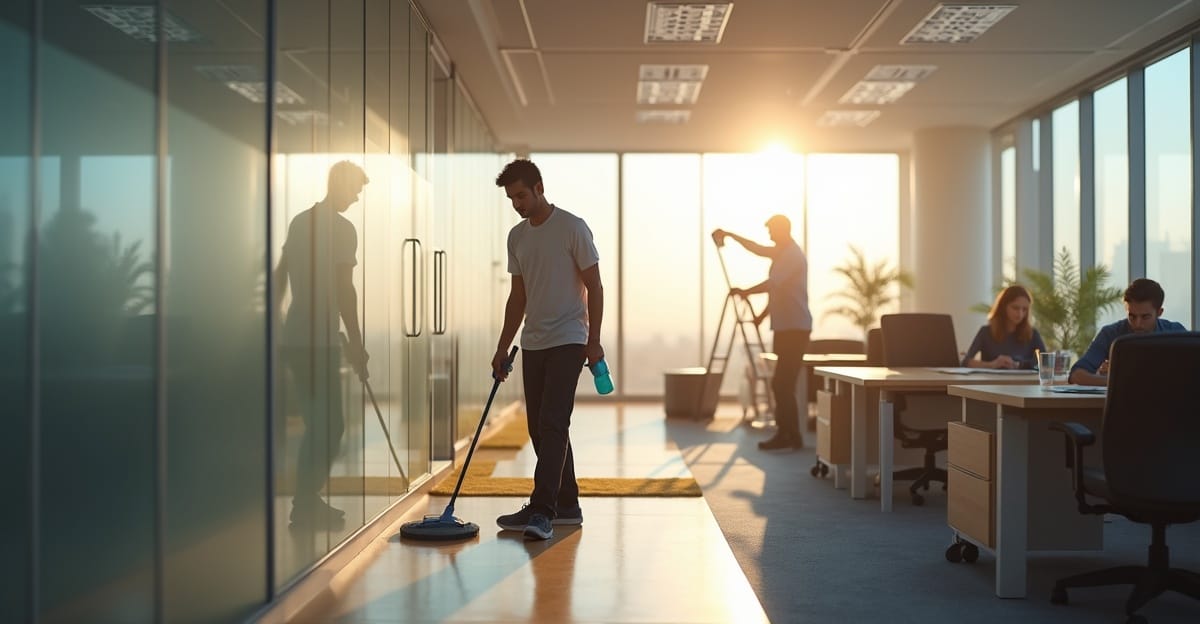
Deep vs regular office cleaning is an operational decision that impacts hygiene standards, regulatory compliance, asset lifespan, and daily presentation. We treat regular cleaning as ongoing maintenance that keeps surfaces and high-touch points clean on a set schedule. We treat deep cleaning as periodic, restorative work that removes embedded soil, addresses concealed areas, and lowers long-term risk.
Key Takeaways
- Regular office cleaning focuses on routine surface tasks performed daily or several times per week to maintain baseline hygiene and a professional appearance.
- Deep cleaning is periodic and restorative, targeting carpets, vents, grout, upholstery, and areas behind or above fixtures where buildup develops over time.
- Skipping deep cleans leads to surface damage, indoor air quality concerns, persistent odours, and increased compliance exposure.
- Deep cleaning functions as preventive maintenance and extends the lifespan of flooring, furniture, and interior finishes.
- Clear contracts must separate routine maintenance from periodic restorative work so we avoid gaps in service or unnecessary spending.
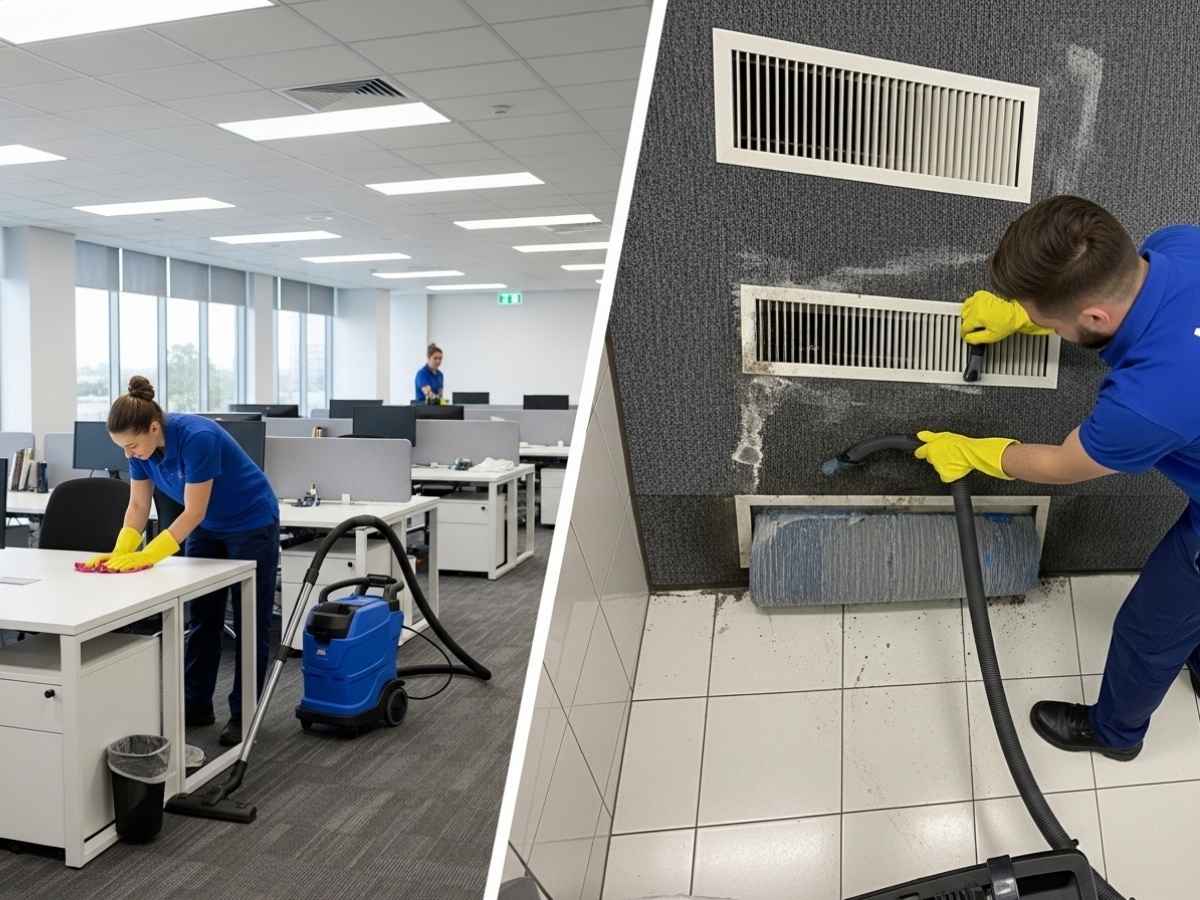
Deep Cleaning vs Regular Cleaning: The Practical Differences That Impact Your Facility
Deep vs regular office cleaning isn’t a marketing term. It’s an operational distinction that affects hygiene, compliance, asset lifespan, and daily presentation.
Regular office cleaning is ongoing, routine maintenance, and understanding what does office cleaning involve helps clarify what tasks should be included in that routine scope. It keeps a workplace functional, hygienic, and presentable day to day. Deep cleaning is periodic and corrective. It targets buildup, hidden contaminants, and long-term wear that routine cleaning doesn’t address.
In commercial environments, both services matter. They serve different purposes.
Regular cleaning focuses on visible surfaces and frequent touchpoints, which is typically what is included in an office clean as part of routine maintenance. It supports baseline hygiene, reduces surface contamination, and keeps staff and visitors comfortable. Deep cleaning goes further. It restores carpets, clears dust from high areas, removes grime from grout, and addresses areas hidden behind furniture or inside vents.
Confusion between the two leads to problems. Some facilities skip deep cleans and assume routine cleaning is enough. Others pay for add-ons that overlap with their existing contract. The right balance prevents under-servicing and avoids unnecessary cost.
For office managers, strata managers, and medical centre administrators in Adelaide and Sydney, this balance impacts indoor air quality, safety standards, compliance obligations, and long-term maintenance budgets. If the scope isn’t clear, risk increases.
If the difference between daily tasks and periodic restoration isn’t clear in a contract, reviewing what commercial cleaning covers can help reset expectations before gaps appear.
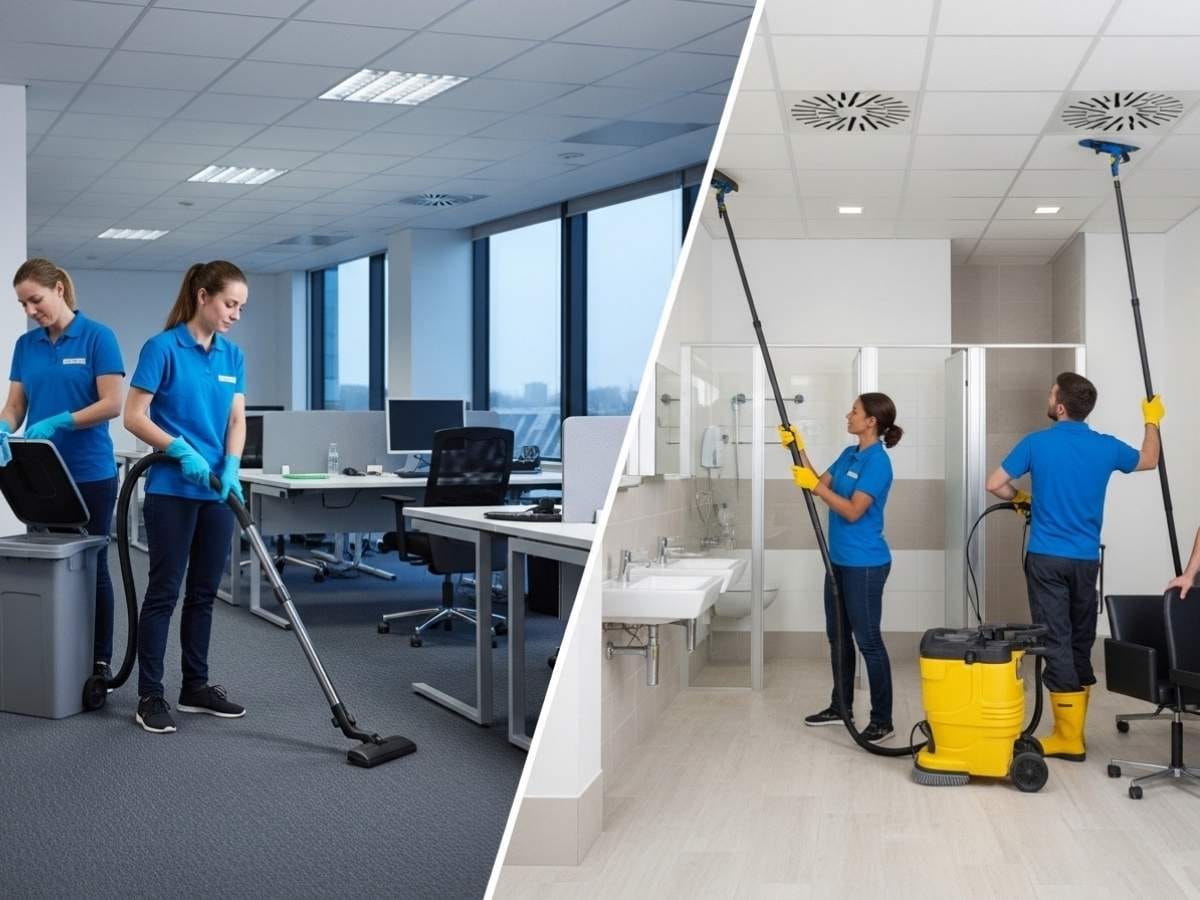
Side-by-Side Comparison: Scope, Frequency, Disruption, and Outcomes
Here’s how deep vs regular office cleaning compares in practical terms:
| Area | Regular Office Cleaning | Deep Cleaning |
|---|---|---|
| Scope of Work | Routine surface cleaning and disinfecting, visible areas, daily hygiene tasks | Detailed restoration, extraction, high-level cleaning, hidden or neglected areas |
| Frequency | Daily or several times per week | Quarterly, biannual, or annual |
| Disruption Level | Minimal, typically after-hours | Moderate, may require staged access or temporary closures |
| Compliance Impact | Maintains baseline standards | Supports audits, infection control, and long-term hygiene compliance |
| Cost Profile | Predictable ongoing investment | Periodic higher investment, preventative in nature |
| Outcomes | Maintains presentation and day-to-day usability | Restores surfaces, removes embedded grime, extends asset life |
Regular office cleaning schedules typically include:
- Emptying bins and replacing liners
- Wiping and disinfecting desks and shared surfaces
- Cleaning kitchens and break rooms
- Cleaning and disinfecting bathrooms
- Vacuuming carpets
- Mopping hard floors
- Wiping high-touch points such as door handles, lift buttons, and switches
If clarity is needed around routine scope, this overview of what office cleaning involves explains what should be standard.
Deep cleaning goes further. A typical office deep cleaning checklist may include:
- Carpet extraction instead of standard vacuuming
- High dusting of vents, ceilings, ducting, and light fittings
- Detailed disinfecting beyond basic touchpoints
- Cleaning vents and air returns
- Grout scrubbing in bathrooms and kitchens
- Upholstery cleaning
- Cleaning behind and under furniture
- Wall and skirting board cleaning
Our deep cleaning services focus on these restorative tasks, aligning them with the building’s condition and compliance needs.
Regular cleaning usually happens through after-hours commercial cleaning with minimal operational impact. Deep cleaning may require staging, after-hours access, or temporary area shutdowns. That planning makes the difference between smooth execution and disruption.
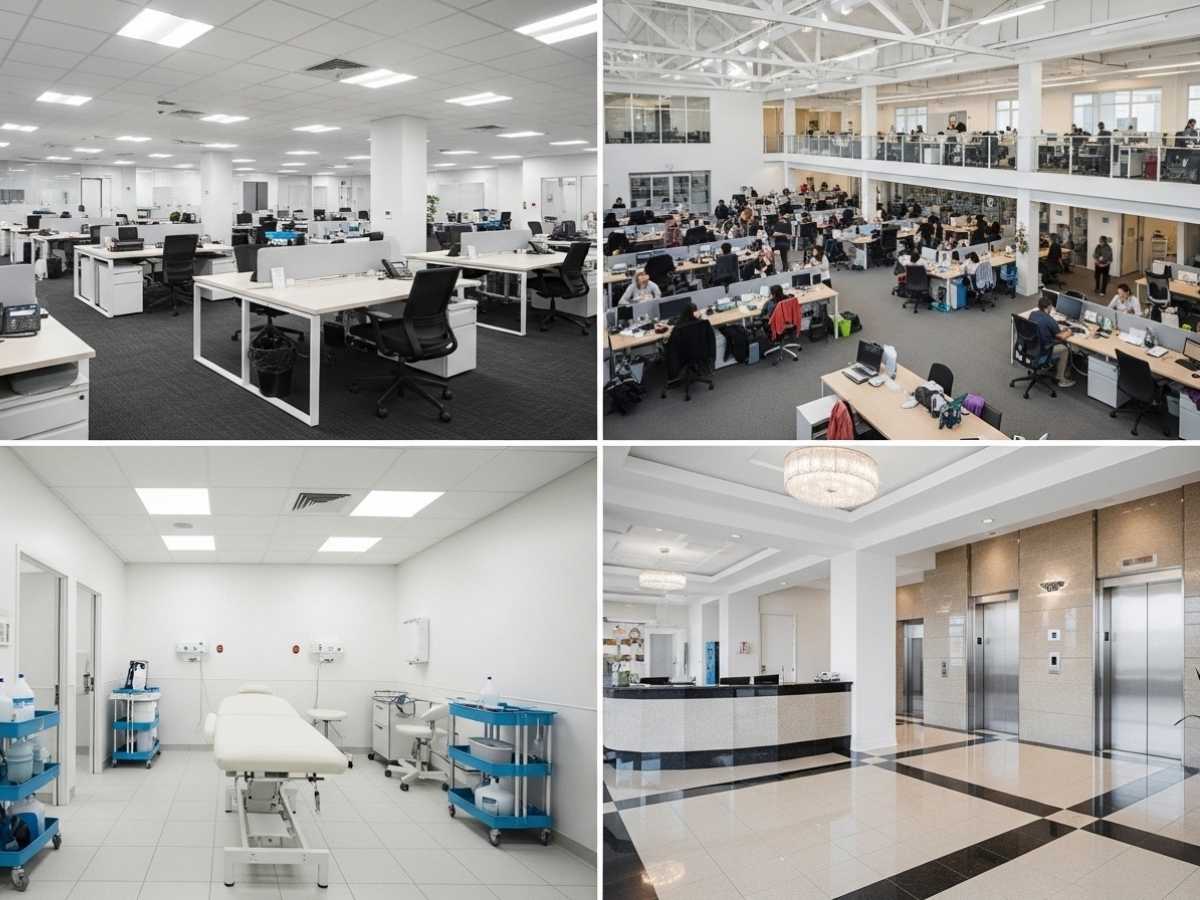
How Often Should Each Be Done? Practical Frequency Guidance by Facility Type
How often should an office be deep cleaned? Frequency depends on how the building is used.
For a corporate office with standard traffic:
- Regular cleaning: daily or 3–5 times per week
- Deep clean: every 6–12 months
For high-traffic office environments with large teams or public access:
- Regular cleaning: daily
- Deep clean: every 3–6 months
For medical facilities with strict hygiene requirements:
- Regular cleaning: daily with structured disinfecting protocols
- Deep clean: quarterly or aligned with compliance reviews
For strata-managed buildings and shared common areas governed by NSW Fair Trading strata maintenance responsibilities:
- Regular cleaning: multiple times per week
- Deep clean: biannually or annually, depending on wear
Foot traffic drives wear. Business activities create different contamination risks. Compliance obligations in shared and healthcare settings raise the bar even further under Safe Work Australia workplace health and safety duties. Older buildings may also require more frequent restorative work because materials trap dirt faster.
Regular maintenance through structured office cleaning services keeps standards stable. Periodic restoration fills in the gaps that daily work cannot address.
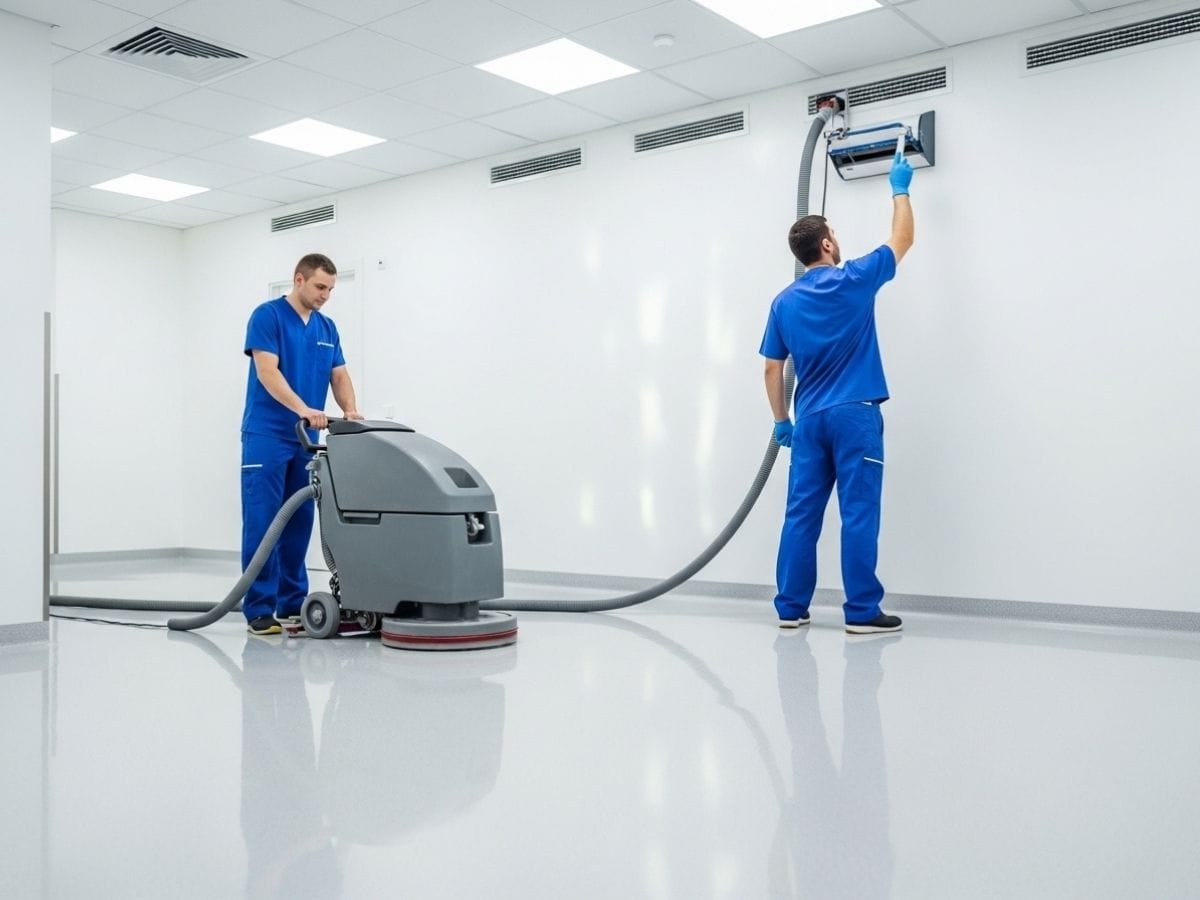
Compliance, Risk, and the Real Cost of Skipping Deep Cleans
Relying only on a regular office cleaning schedule creates slow, visible decline.
Carpets hold embedded dirt even when vacuumed daily. Bathroom grout absorbs grime. Dust collects in vents and high surfaces, affecting indoor air quality as outlined by the Australian Department of Health indoor air quality guidance Kitchens and soft furnishings can trap odours.
Skipping deep cleaning leads to:
- Gradual surface deterioration
- Air quality concerns from vent and duct dust
- Persistent odours in shared spaces
- Faster wear of flooring and upholstery
- Higher risk during compliance audits
In medical centres and shared facilities, those issues aren’t cosmetic. They impact infection control, workplace health, and regulatory standards. Commercial cleaning compliance requires more than surface wiping. It requires periodic restoration.
Deep cleaning acts as preventative maintenance. It supports infection control protocols aligned with the Australian Commission on Safety and Quality in Health Care infection prevention standards. It reduces complaints from tenants and staff. It strengthens audit outcomes. It extends the lifespan of carpets, flooring, and furniture, reducing capital replacement costs.
Periodic floor cleaning services such as extraction and machine scrubbing often delay expensive flooring replacement by years, consistent with Carpet Institute of Australia maintenance recommendations. That’s budget protection, not a luxury add-on.
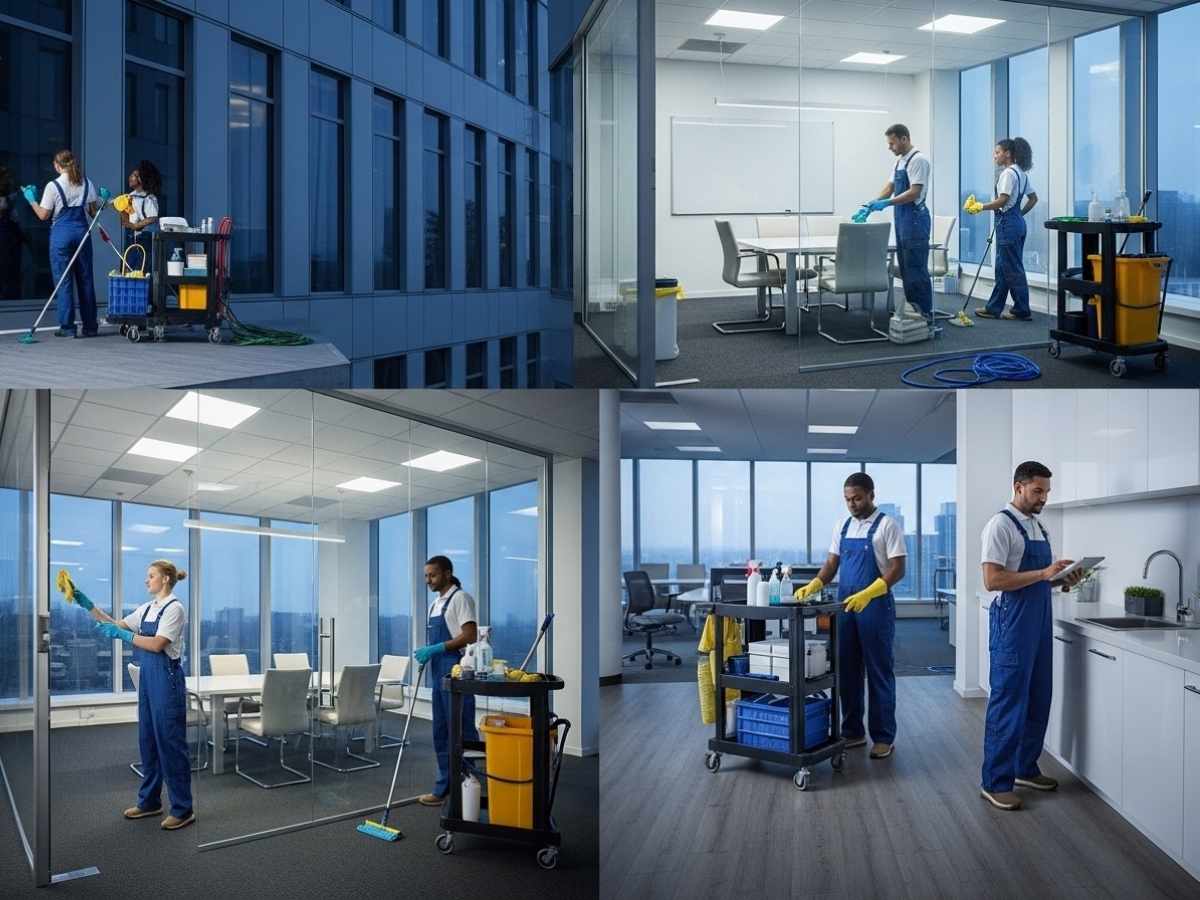
Operational Planning: Minimising Downtime and Managing Large Sites
Deep cleaning requires coordination, especially in large or multi-tenant sites.
After-hours access is often necessary. Security teams may need notice. Strata committees and facility managers must align on scope and timing. For larger offices, staged cleaning works best.
We often plan deep cleans:
- Floor by floor
- Area by area, starting with kitchens or meeting rooms
- During holiday or shutdown periods
This approach protects business continuity.
Multi-site operations in commercial cleaning Sydney and professional office cleaners Adelaide environments need consistent scope across locations. Clear communication prevents confusion about what’s routine and what’s periodic.
Any uncertainty should be resolved before work begins by reviewing a standard office cleaning checklist. Reviewing an office cleaning checklist alongside a deep cleaning scope prevents misunderstandings and unexpected costs.

How to Assess What Your Facility Actually Needs
Decision-makers should step back and review current arrangements.
Consider these practical checkpoints:
- When was the last documented deep clean?
- Are carpets professionally cleaned beyond vacuuming on a set schedule?
- Are vents, ducts, and high ledges included anywhere in the scope?
- Are odours or hygiene complaints recurring in kitchens or bathrooms?
- Does the provider supply a defined office deep cleaning checklist?
- Are medical or strata compliance obligations clearly supported?
- Does current office cleaning frequency reflect real foot traffic?
Contracts should clearly separate routine maintenance from periodic restoration. If those lines blur, overpayment or under-servicing usually follows.
We clean offices. Big ones, small ones, and everything in between. Our team reviews scopes carefully, comparing deep vs regular office cleaning requirements against actual building use. That keeps facilities compliant, presentable, and cost-effective.
For organisations in Adelaide and Sydney, we’re happy to assess current arrangements and recommend practical adjustments. A clear scope review helps ensure no area is neglected and no budget is wasted. Reach out through our contact page to organise a tailored cleaning assessment.
Frequently Asked Questions
Deep vs regular office cleaning differs mainly in scope and intensity. Regular cleaning covers routine tasks like vacuuming, bin emptying, bathroom sanitising, and wiping high-touch surfaces. Deep cleaning includes restorative work such as carpet extraction, grout scrubbing, vent cleaning, upholstery treatment, and cleaning behind furniture. It targets hidden buildup that daily maintenance does not remove.
Regular office cleaning is typically performed daily or several times per week to maintain hygiene standards. Deep office cleaning is scheduled quarterly, biannually, or annually depending on traffic levels and compliance requirements. High-traffic or healthcare facilities usually require more frequent deep cleaning to manage contamination risks and surface wear.
Yes, deep office cleaning is necessary even with daily maintenance. Regular cleaning removes surface dirt and disinfects common touchpoints, but it does not eliminate embedded grime, dust in vents, or buildup in carpets and grout. Without periodic deep cleaning, air quality can decline and surfaces may deteriorate faster over time.
Regular office cleaning involves predictable ongoing costs because it follows a fixed schedule. Deep cleaning has a higher one-time cost due to specialised equipment, labour intensity, and detailed work. However, periodic deep cleaning acts as preventive maintenance, helping extend flooring and furniture lifespan and reducing long-term replacement expenses.
Yes, deep cleaning supports workplace health and regulatory compliance. By removing embedded contaminants, sanitising concealed areas, and improving indoor air quality, it reduces infection risks and hygiene complaints. This is particularly important for medical centres, shared commercial spaces, and facilities subject to workplace health and safety audits.