
What Office Areas Are Most Commonly Missed?
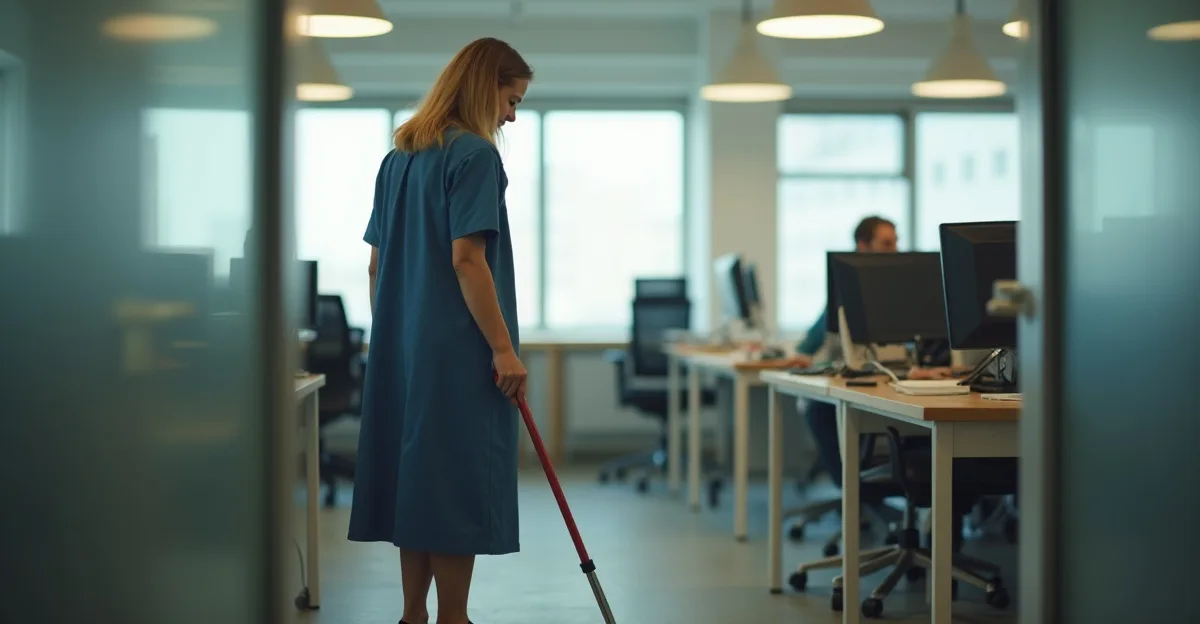
Overlooked office cleaning spots rarely include obvious surfaces. We see misses on shared touchpoints, fine details, and high-use zones that teams handle all day. This article explains which areas crews often miss, why those gaps create health risks and complaints, and where we should check first when quality slips.
Key Takeaways
- Teams often miss high-touch items like chair arms, light switches, door handles, and shared kitchen controls, and these lapses drive hygiene concerns.
- Desks can look tidy while nearby areas such as monitor bases, under-desk zones, and partition edges quietly gather dust and grime.
- Kitchens, break rooms, and end-of-trip areas decline fast when cleaning frequency doesn’t match real usage.
- Bathrooms face close scrutiny, and missed details like cubicle hardware, dispensers, and spaces behind fixtures erode confidence in cleaning standards.
- Skirting boards, wall edges, vents, and other vertical surfaces reveal long-term neglect when crews overlook them consistently.
The Hidden Hygiene Risks That Affect Staff Health and Complaints Most
Overlooked office cleaning spots cause the biggest hygiene and perception problems day to day. Floors can look fine. Desks can shine. Complaints still come in. That usually means the high-risk office hygiene areas aren’t being picked up.
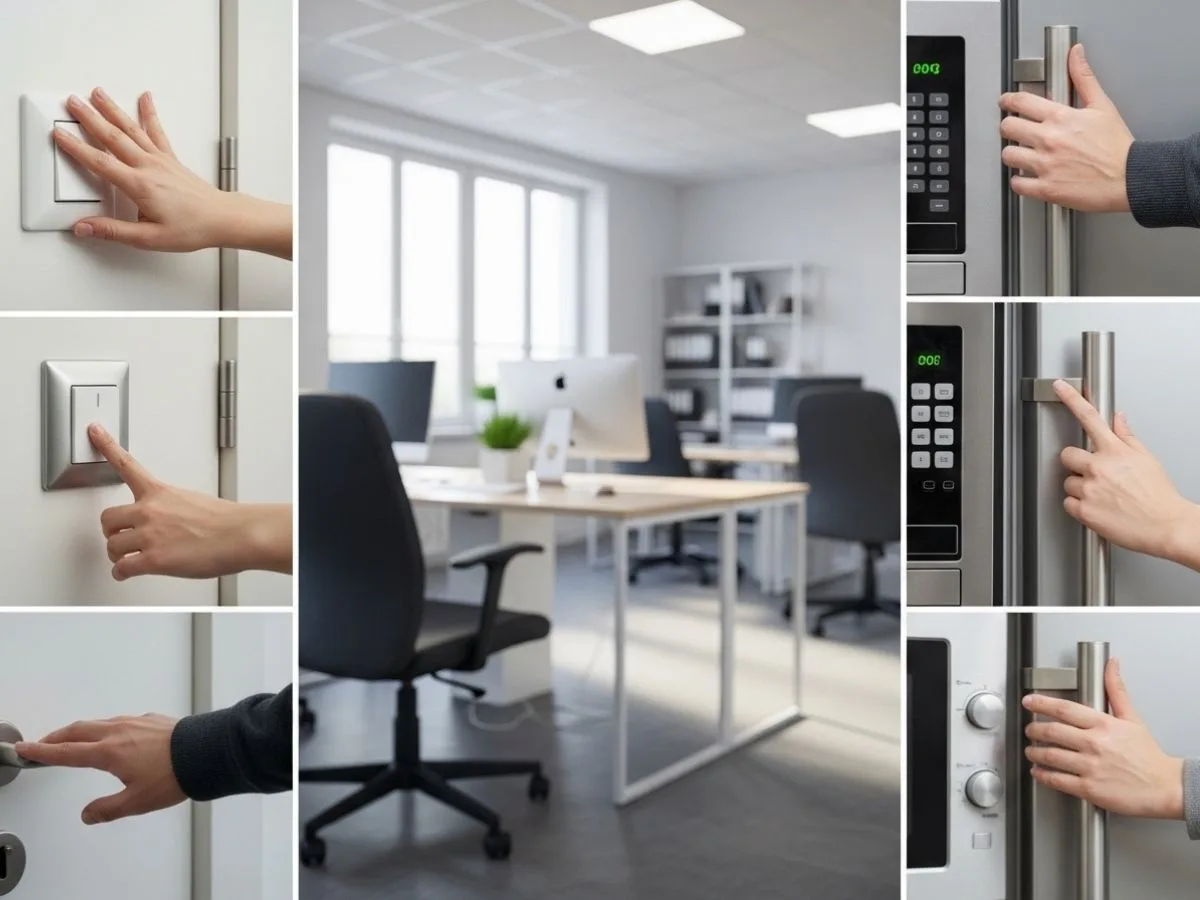
Shared touchpoints fall outside many standard scopes. Chair backs and arms get handled constantly. Light switches and internal door handles see hundreds of touches a day. Kitchen items like fridge handles, microwave buttons, kettle handles, and shared device cables rarely “look dirty,” so they slip through.
These areas matter because public health guidance on high-touch surface transmission explains how frequently handled surfaces contribute to workplace illness, which directly affects health and trust. Staff don’t point to a light switch when they’re unwell — they take sick days, and workplace health research links improved surface hygiene practices to reduced illness-related absenteeism. They lose confidence in cleaning quality. Missed cleaning here drives office cleaning quality issues even when the obvious surfaces are done.
This is one of the most common office cleaning mistakes we see across all office sizes. Cleaning plans focus on what’s visible. Staff experience the space through what they touch.
Workstations and Desk Zones That Look Clean but Build Up Grime
Desk tops usually get wiped. Everything around them often doesn’t. Time pressure and unclear scope are the main reasons.
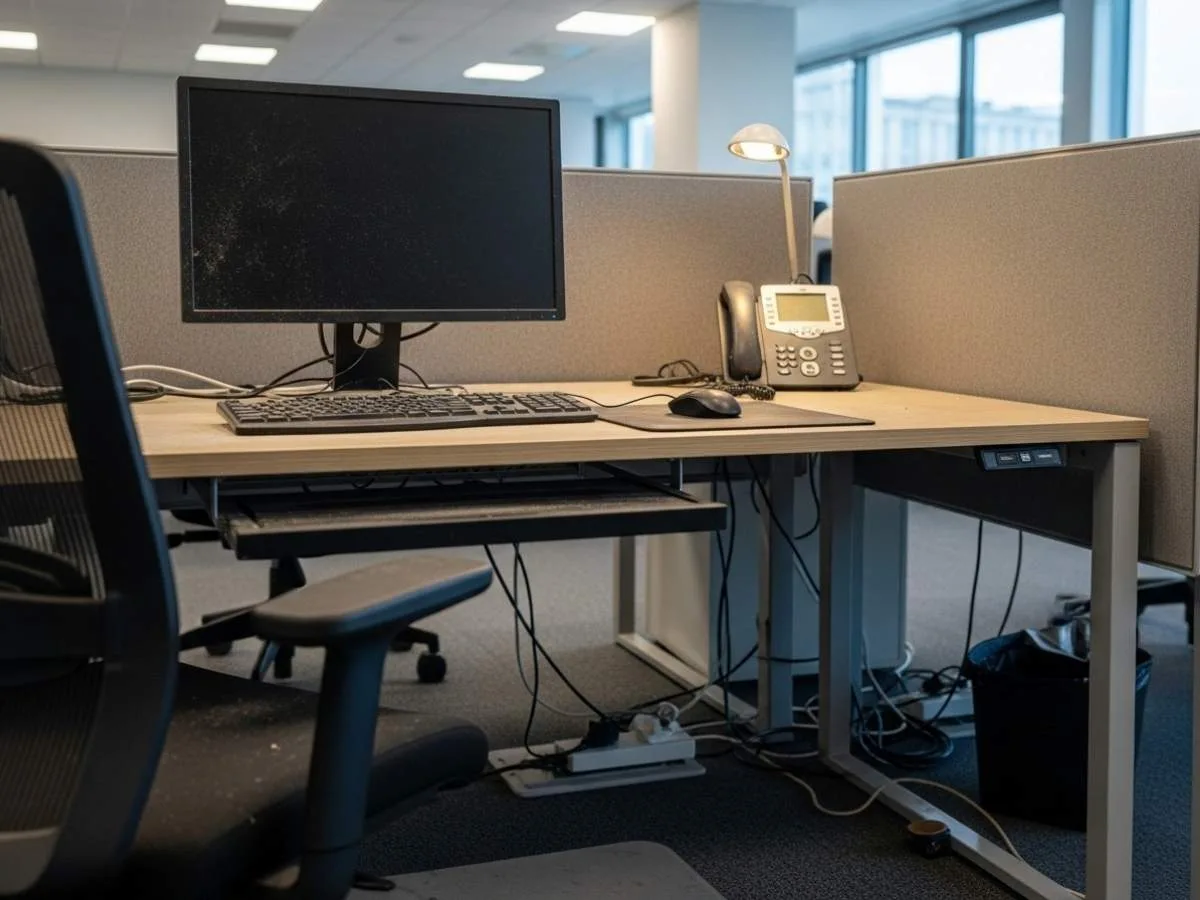
Common missed cleaning areas in offices include monitor bases, keyboard trays, mouse mats, desk legs, privacy screens, partition edges, and telephone handsets. Under-desk areas collect dust and scuff marks fast, especially where footrests and power boards sit.
This build-up changes how a space feels. Dust complaints rise, particularly as indoor air quality research shows how accumulated dust impacts comfort and respiratory health in office environments. Furniture shows wear sooner. Staff feel the cleaning is surface-level rather than thorough. In hot-desking environments, the issue escalates because multiple people use the same setup each day.
Usage and density should guide detail work. A clear commercial office cleaning checklist helps set expectations and avoid gaps. For a practical breakdown of what’s usually covered and what isn’t, our guide on what office cleaning includes lays it out clearly.
Kitchens, Break Rooms, and End-of-Trip Areas That Deteriorate Fast
These spaces get heavy use and quick cleans. That combination leads to missed details.
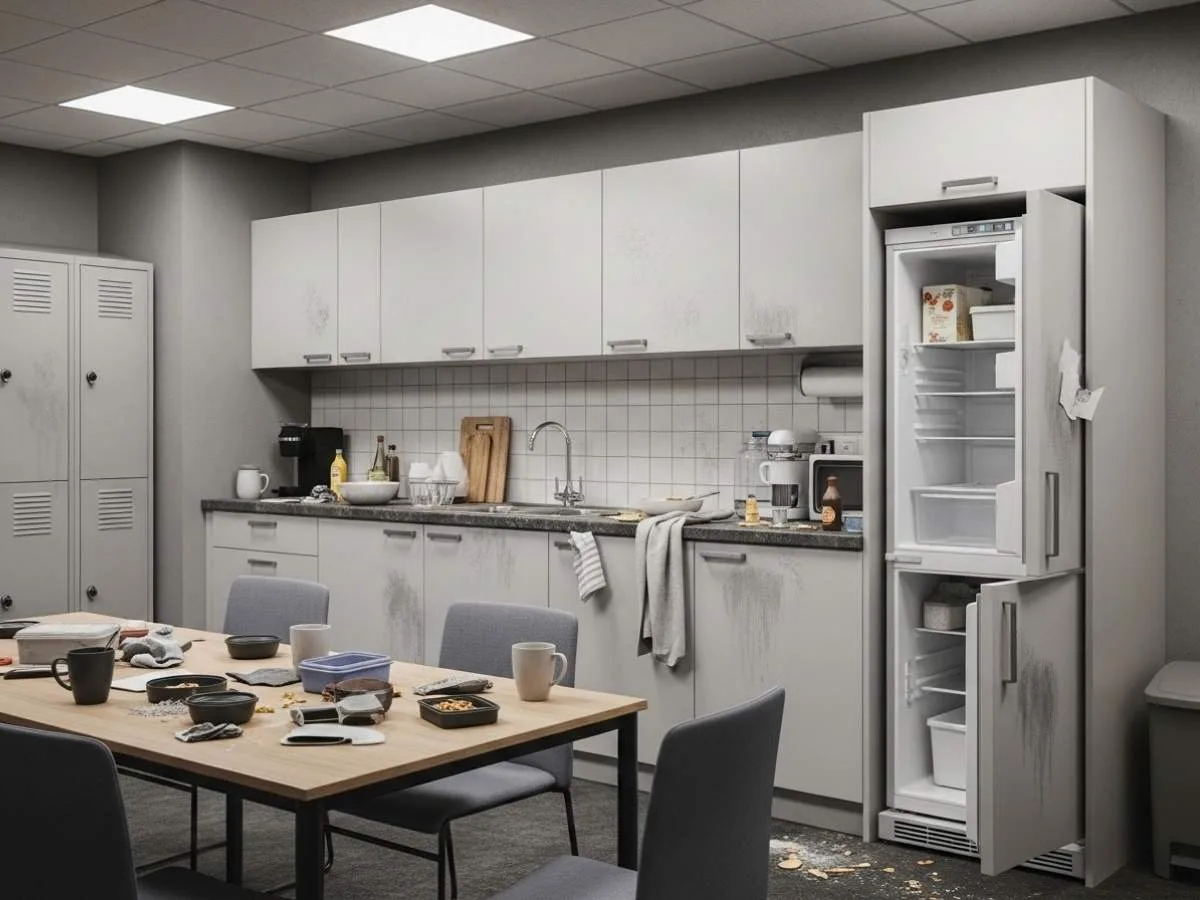
Cupboard fronts, splashbacks, fridge seals, bin lids, appliance sides, tap bases, lockers, bench undersides, and shared seating are often skipped. Over time, odours appear and food safety authorities highlight how inadequate sanitation in shared kitchens increases pest attraction and contamination risks. Complaints become frequent because staff interact with these areas every day.
High-risk office hygiene areas like kitchens need frequency based on people, not floor size. A ten-person office and a fifty-person office can share the same kitchen footprint but need very different cleaning cycles.
This is another common office cleaning mistake. Routines stay the same while usage changes. A well-managed commercial cleaning service adjusts cleaning scope as headcount grows or work patterns shift.
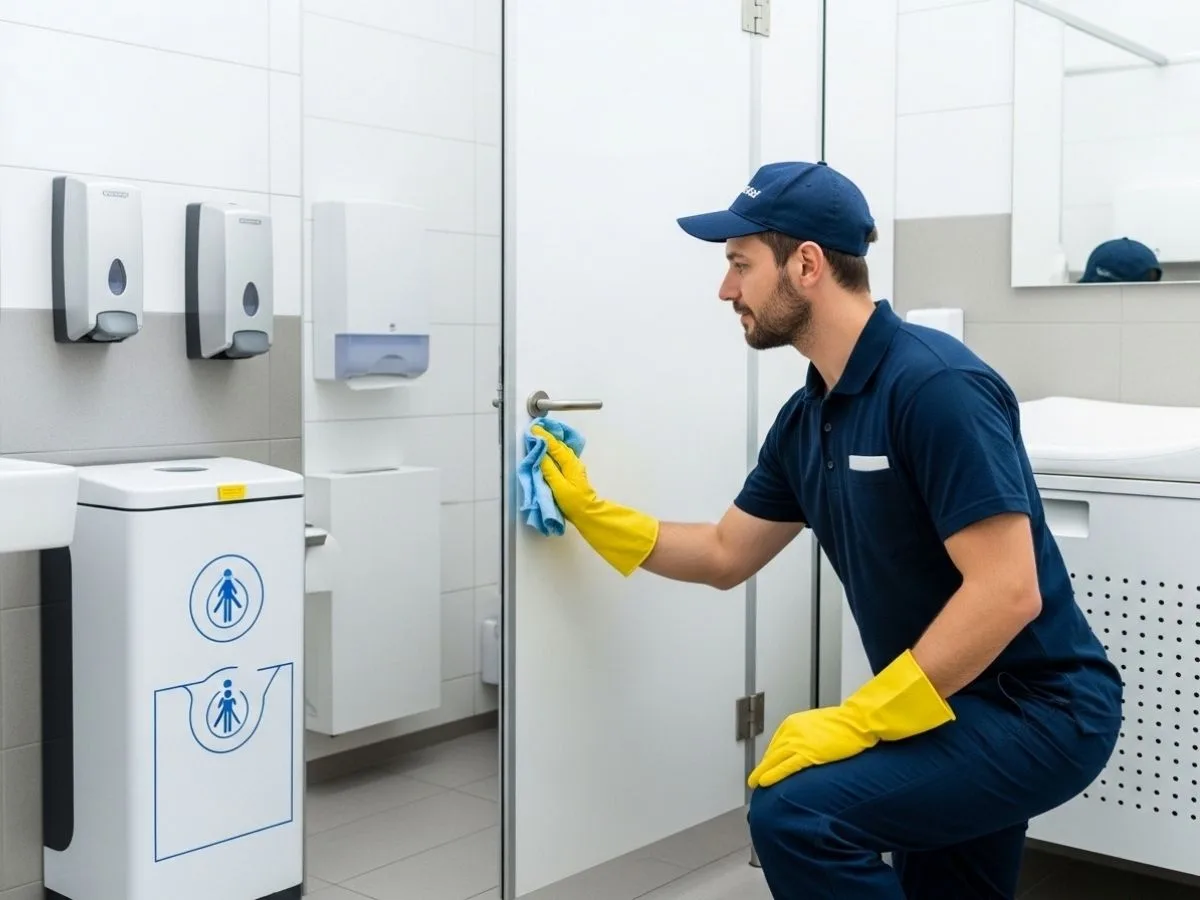
Bathrooms and Washrooms: The Areas Assumed Cleanest but Audited Closest
Bathrooms get attention. Detail-level misses still cause the biggest perception gaps.
Cubicle doors, inside and out, lock mechanisms, sanitary bins, baby change units, behind toilets, dispensers, and wall tiles at hand height are commonly overlooked. They sit just outside the main cleaning actions but stand out to users.
In shared buildings and medical settings, these gaps raise concerns because occupational health standards require sanitary workplace facilities to be maintained at all times, even when issues aren’t immediately visible. The space feels “off,” even if consumables are stocked and floors are clean.
Managers can spot issues quickly. Check touchpoints at adult and child height. Look behind fixtures, not just around them. Consistent detail is what maintains confidence in shared washrooms, especially in corporate workplaces with high daily traffic.
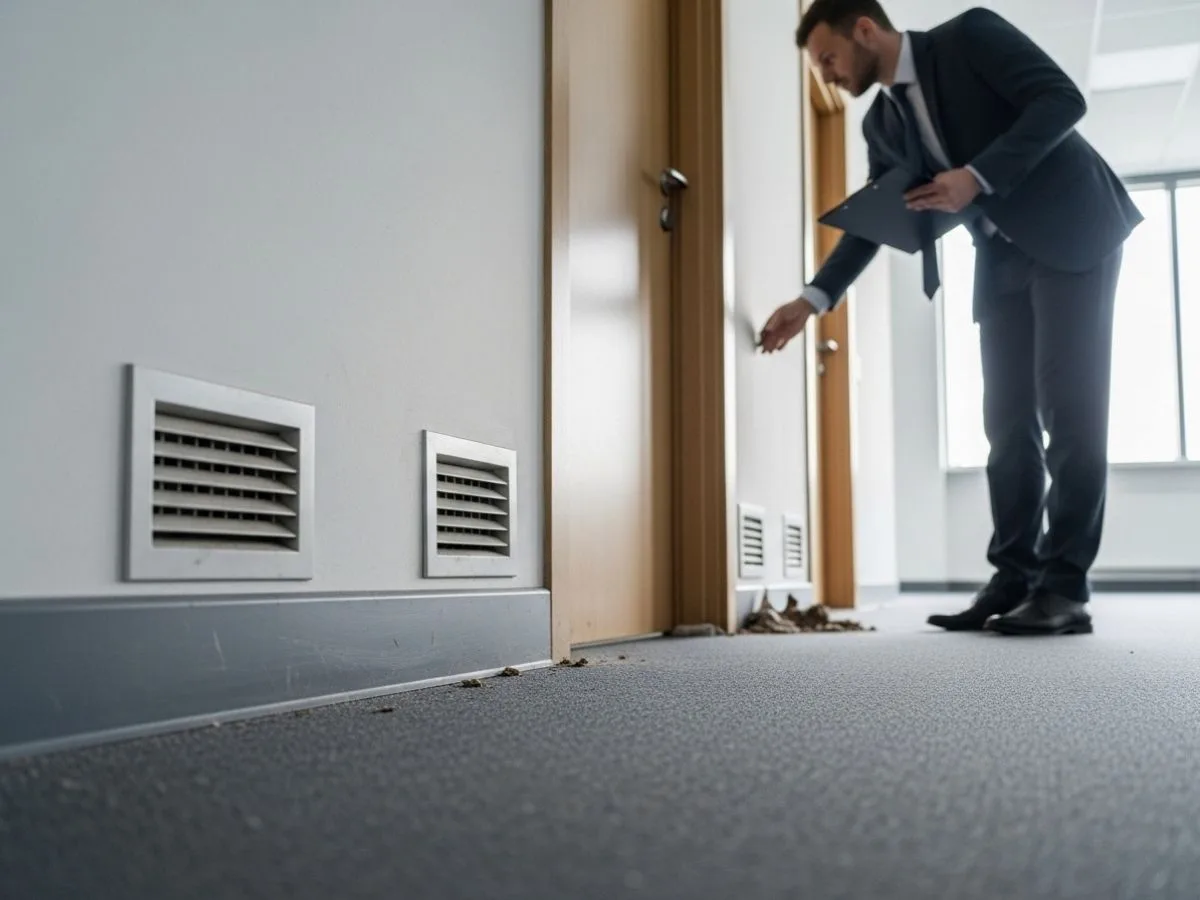
Skirting Boards, Edges, and Vertical Surfaces That Signal Long-Term Neglect
These areas rarely trigger immediate complaints. Over time, they define how well an office feels cared for.
Skirting boards, door frames, wall scuffs, lift interiors, light fittings within reach, air vents, and corners behind doors build dust and marks slowly, and building health authorities note that poorly maintained ventilation areas contribute to declining indoor air quality over time. When they’re missed, the space looks rushed and incomplete.
Property and facilities managers often use these details to judge service standards. In strata-managed buildings, they’re a clear indicator of whether strata office cleaning standards are being met.
Regular checks against a realistic commercial office cleaning checklist help align expectations with delivery. For teams reviewing service frequency, our breakdown of how often offices should be cleaned gives a useful reference point.

Why These Areas Are Missed and How Managers Can Spot Gaps Early
Missed areas usually come down to time limits, unclear scopes, or tasks that sit between “daily” and “periodic” cleaning. Building type, foot traffic, and compliance needs all change what good looks like. One-size checklists don’t work.
What to check during cleaning reviews
A short review keeps small gaps from turning into ongoing office cleaning quality issues:
- Confirm what’s included daily versus weekly or periodic tasks.
- Ask how high-touch items are handled, especially shared equipment and switches.
- Clarify what’s excluded so nothing sits in limbo.
- Check how detail work is scheduled alongside routine cleaning.
These conversations aren’t about blame. They keep expectations realistic and performance consistent. Understanding the difference between janitorial and commercial cleaning often helps align scope with need.
For teams adjusting cleaning schedules without disrupting work, guidance on scheduling with minimal disruption can help. Night or evening cleans also reduce missed touchpoints, as we explain in our overview of the benefits of after-hours cleaning.
If we’re reviewing cleaning performance or resetting scope, we focus on the areas cleaners often miss first. That’s where confidence is built. For updates, insights, and practical advice, visit our cleaning blog.
Frequently Asked Questions
The most overlooked office cleaning spots are high-touch and low-visibility areas. These include chair arms, light switches, door handles, monitor bases, under desks, skirting boards, and shared kitchen controls. They don’t always look dirty, so they’re missed, but they collect germs, dust, and grime quickly and affect hygiene and staff perception.
High-touch areas are missed because cleaning scopes often prioritise visible surfaces over frequently handled ones. Items like switches, chair arms, and appliance buttons don’t show dirt easily, so they fall outside routine wipe-downs. Time limits and unclear task lists also contribute to these gaps in daily cleaning.
Managers can spot missed areas by checking touchpoints, edges, and under-desk zones during inspections. Focus on what staff touch rather than what looks clean. Reviewing what tasks are daily versus periodic and checking behind fixtures, on skirting boards, and around shared equipment helps catch issues early.
Yes, kitchens and break rooms become high-risk quickly when details are skipped. Missed areas like fridge seals, cupboard fronts, bin lids, and appliance sides lead to odours, bacteria buildup, and pest risks. Because these spaces are heavily used, even small cleaning gaps are noticed fast.
Overlooked spots should be addressed based on usage, not just a fixed schedule. High-touch items and shared areas often need daily attention, while edges, vents, and vertical surfaces may need weekly or periodic cleaning. Aligning frequency with foot traffic prevents long-term buildup and complaints.