
What Medical Centres Should Expect From Cleaners
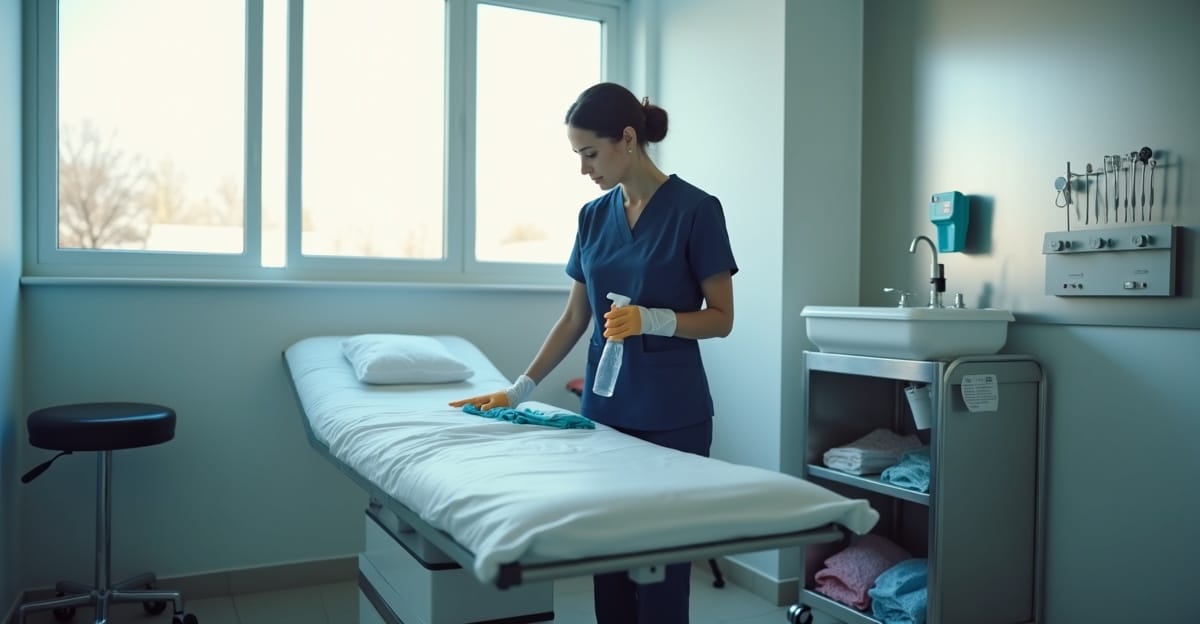
Medical centre cleaning standards define far more than surface presentation. They set firm expectations for infection prevention, documented procedures, trained teams, and steady communication with practice managers. Medical centres should expect cleaners to control high-risk touchpoints, stop cross-contamination, follow site-specific schedules and reports, and deliver accountable quality checks that support compliance and daily operations.
We approach medical cleaning as a structured process. Clear systems protect patients, staff, and reputations. Strong standards also help practices meet regulatory obligations without disruption.
Key Takeaways
- Cleaning must prioritise infection control, including correct disinfectant selection, required contact times, and strict cross-contamination prevention.
- High-risk and high-touch areas need structured, frequent attention with defined procedures for urgent spills or contamination.
- A site-specific scope of works, signed checklists, time-stamped logs, and incident reports support medical cleaning compliance.
- Consistent, trained, police-checked staff who understand healthcare settings reduce risk and strengthen accountability.
- Ongoing quality inspections, clear escalation procedures, and direct communication channels keep standards measurable and dependable.
How to Define “Good” Under Medical Centre Cleaning Standards
Medical centre cleaning standards go far beyond a space that “looks clean.” They define how consistently a site is serviced, how tasks are recorded, how infection risks are controlled, and how clearly cleaning teams communicate with practice managers.
In practical terms, healthcare cleaning requirements translate into observable, measurable actions. Doors are disinfected every visit. Bins are emptied on schedule. Checklists are signed. Supervisors inspect. Reports are available when needed. That’s what protects patients, staff, and the reputation of the clinic.
General commercial cleaning and healthcare cleaning are not the same. An office can tolerate surface dust for a day. A treatment room cannot. A retail space may focus on presentation. A clinic must manage clinical risk environments where pathogens are part of everyday operations. That difference shapes medical facility cleaning expectations.
Medical cleaning compliance is built on processes, not promises. Terms like “hospital-grade clean” mean little without documented methods, trained staff, and clear accountability. A reliable provider works to defined healthcare cleaning requirements and can explain exactly how infection control cleaning is carried out on site.
For facility managers in Adelaide and Sydney, these standards act as a benchmark. Whether assessing a current contractor or exploring medical and healthcare facility cleaning, the goal is the same: measurable systems, consistent performance, and documented compliance.
Infection Control Awareness and Management of High-Risk Areas
High-risk areas in medical centres are not limited to treatment rooms and include high-touch surfaces identified in healthcare infection-prevention guidance. They include waiting areas, bathrooms, reception desks, door handles, light switches, shared equipment zones, EFTPOS machines, and any surface touched by multiple people every day.
Infection control cleaning focuses on these points first. That means cleaning and then properly applying disinfectant using recommended contact times outlined in healthcare disinfection guidance. It also means increasing frequency in high-traffic zones. Reception counters may need attention multiple times daily. Bathrooms require consistent monitoring. Spills or visible contamination must be handled immediately, not “on the next visit.”
GP clinic cleaning standards require teams to understand patient turnover. A multidisciplinary clinic with physios, GPs, and pathology collection has different touchpoints and risk levels throughout the day. Cleaners must know how those movements impact risk.
Cross-contamination prevention is non-negotiable under healthcare environmental cleaning standards designed to reduce cross-transmission. At a minimum, we expect:
- Colour-coded cloth and mop systems to separate clinical, general, and bathroom areas.
- Dedicated equipment for bathrooms that never enters treatment rooms.
- Correct product selection and adherence to required dwell times for disinfectants.
These are basic healthcare cleaning requirements. Without them, infection control cleaning becomes guesswork. If there’s any uncertainty about who handles surface disinfection, our guide on whether cleaners handle disinfection breaks down what should be included.
Touchpoints remain central to risk management. For clinics reviewing their protocols, our article on touchpoint cleaning explains why high-contact areas still require structured attention.
Documented Cleaning Schedules, Checklists and Transparency
Every medical centre should operate with a site-specific scope of works. A generic template won’t reflect the layout of a multi-room GP clinic, a specialist who performs procedures, or a suite within a medical precinct. Medical cleaning compliance depends on alignment between contract, site use, and actual tasks performed.
A clear healthcare cleaning checklist typically includes defined daily, weekly, and periodic tasks. For example:
- Daily: disinfect high-touch surfaces, clean treatment rooms, empty general and clinical waste as required, clean bathrooms, vacuum and mop floors.
- Weekly: detailed bathroom cleans, deeper surface disinfection, internal glass and partition cleaning.
- Periodic: carpet extraction, high dusting, air vent cleaning, and scheduled deep cleaning services.
Cleaning documentation and reporting bring these tasks to life. We expect:
- Signed checklists or digital logs.
- Time-stamped attendance records.
- Documented incident reports for spills, breakages, or biohazards.
There should also be a clear escalation process. If a task is missed, a complaint raised, or contamination occurs outside scheduled hours, the response must be defined and traceable. No guessing. No silent fixes.
Proper documentation reduces pressure during audits. It provides evidence of medical cleaning compliance and supports practice managers during reviews. For administrators who want clarity on paperwork standards, our guide on cleaning documentation outlines what to expect.
Clinics in South Australia can also review how medical cleaning in Adelaide is structured around documented processes, especially where shared buildings and strata requirements apply.
Reliable, Trained and Consistent Cleaning Staff
Consistency builds accountability. Medical facility cleaning expectations should include stable staffing, not a different face each week with no handover.
At a minimum, cleaning staff in healthcare environments should be:
- Police-checked.
- Inducted into healthcare-site protocols.
- Trained in infection control principles.
- Clearly uniformed with visible identification.
Familiarity with the site reduces errors. A regular cleaner knows which room becomes a procedure space on Thursdays. They understand which tenant stores equipment in shared areas. They recognise unusual changes in waste levels or layout.
Operational awareness matters as well. Teams must work around patient schedules and sensitive conversations. After-hours access needs to be controlled and documented. Multi-tenancy medical suites require coordination so common areas are serviced without disrupting separate practices.
Reliability shows in attendance consistency and respectful conduct. Staff in clinics must understand confidentiality. Patient information, conversations, and files are not part of their role.
For practices reviewing providers, our resource on what makes a good commercial cleaner outlines the standards we believe every healthcare contractor should meet. Clinics comparing options for commercial medical cleaning services Adelaide or commercial medical cleaning services Sydney should assess staff stability as closely as price.
Quality Assurance, Monitoring and Practical Compliance Support
Quality assurance cleaning inspections ensure standards stay consistent over time. This process should involve scheduled supervisor site visits, written inspection reports, and clear scoring or performance notes.
Reactive fixes are not enough. Measurable service reviews, completed regularly, allow trends to be addressed before they become issues. Practice managers and strata managers should have a defined feedback channel, with a named contact person.
Professional cleaners align with Safe Work expectations and basic healthcare cleanliness frameworks without overcomplicating the conversation. Medical cleaning compliance often comes down to simple principles done well: correct product use, safe handling of waste, defined reporting processes, and documented frequency.
Proactive communication supports this. We expect:
- A clear point of contact.
- Fast response to urgent spills or contamination.
- Advance notice of schedule changes or staffing adjustments.
Compliance support also includes supplying documentation quickly during audits and understanding the realities of shared-building constraints. In Sydney clinics, for example, our approach to medical cleaning in Sydney factors in strata management and building access rules as part of the process.
That level of structure turns healthcare cleaning requirements into daily practice rather than theory.
Red Flags and Smart Questions to Ask a Prospective Provider
Certain warning signs suggest gaps in medical centre cleaning standards:
- No documented cleaning schedule.
- Rotating, unfamiliar staff with no introduction.
- A vague scope of works.
- No defined escalation process.
- Slow response to urgent issues.
Administrative teams should feel comfortable asking direct questions:
- What infection control training do staff receive?
- Can a site-specific scope of works be provided?
- How are high-risk areas in medical centres handled?
- What is the escalation process for incidents?
- How are completed tasks documented and reported?
These questions reveal whether medical cleaning compliance is embedded in the provider’s operations or added as marketing language.
We encourage clinics to review their current arrangements against these medical centre cleaning standards. Gaps are often easy to spot once expectations are clearly defined. Teams across Adelaide and Sydney work best with partners who value clarity, reliability, and long-term relationships. That focus keeps cleaning practical, accountable, and aligned with the real priorities of healthcare environments.
Frequently Asked Questions
Medical centre cleaning standards are structured guidelines that ensure healthcare facilities remain hygienic and safe for patients and staff. These standards focus on infection control, correct disinfectant use, and systematic cleaning of high-touch surfaces. They also require documented procedures, trained staff, and regular quality checks. Following proper standards helps reduce the spread of pathogens and supports regulatory compliance in healthcare environments.
High-touch surfaces in medical centres should be cleaned and disinfected multiple times per day, depending on patient traffic and risk level. Items such as door handles, reception counters, light switches, and shared equipment are frequent contact points. Regular cleaning with approved disinfectants and proper contact times helps reduce contamination risks and supports effective infection control within clinics.
A medical centre cleaning checklist usually includes daily, weekly, and periodic tasks tailored to the facility. Daily tasks often cover disinfecting treatment rooms, cleaning bathrooms, sanitising high-touch surfaces, and removing waste. Weekly tasks may involve deeper bathroom cleaning and internal glass cleaning, while periodic services can include carpet extraction, air vent cleaning, and high dusting to maintain overall hygiene standards.
Medical cleaning staff should be trained in infection control procedures, cross-contamination prevention, and the safe use of disinfectants. They must understand colour-coded cleaning systems, correct contact times for disinfectants, and healthcare site protocols. Many facilities also require police checks, workplace safety training, and documented inductions to ensure staff understand clinical environments and confidentiality expectations.
Medical centres typically verify cleaning standards through documented checklists, inspection reports, and quality assurance reviews. Time-stamped logs, supervisor inspections, and incident reports provide evidence that tasks were completed correctly. Clear reporting systems and regular service audits help practice managers monitor performance and ensure healthcare cleaning procedures remain consistent and compliant.