
What Makes a Good Commercial Cleaner?
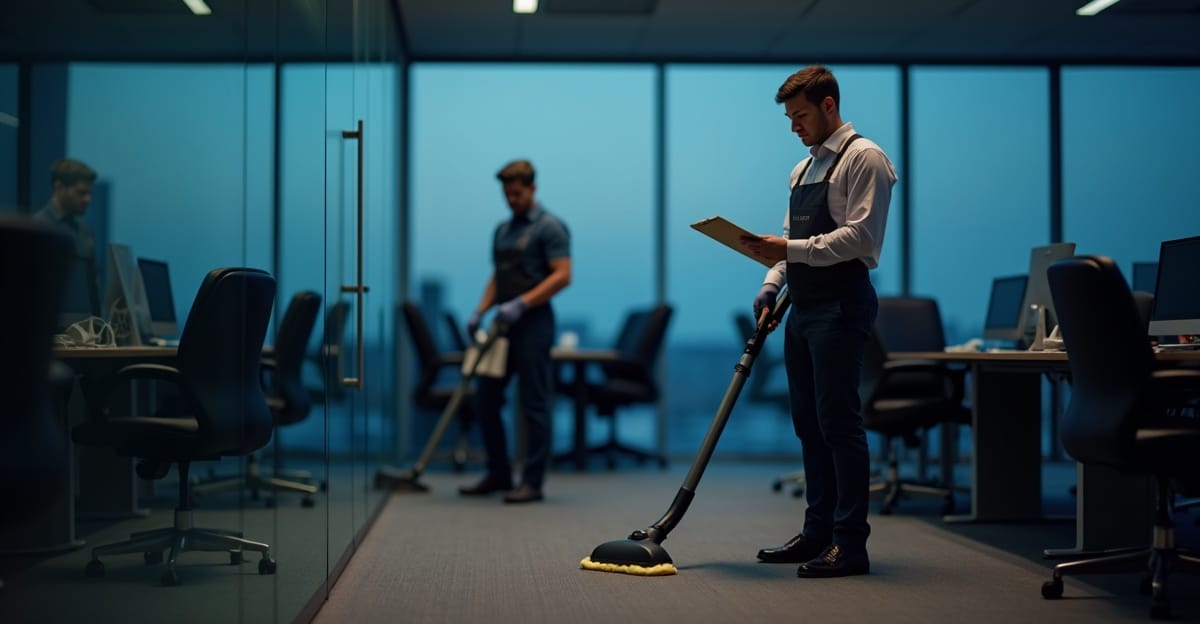
Strong commercial cleaning sets the foundation for safe, productive workplaces and long-term client trust. We evaluate cleaning providers based on performance, structure, and accountability rather than surface impressions. Clear standards, repeatable systems, and open communication separate dependable partners from inconsistent vendors.
Understanding the traits of good commercial cleaners helps businesses compare providers based on clear standards rather than appearance alone. We look for teams that deliver consistent results, follow documented systems, maintain safety compliance, and communicate clearly so expectations are met every visit.
Key Takeaways
- Good commercial cleaners deliver consistent, measurable results backed by clear standards and repeatable processes.
- Reliability depends on stable staffing, planned backup coverage, and supervisor oversight.
- Documented scopes of work, checklists, and schedules remove confusion and define clear contract expectations.
- Active quality control with regular inspections and follow-up ensures issues are corrected before they repeat.
- Compliance, safety knowledge, and responsive communication protect both the property and the client relationship.
Clear Standards You Can See and Measure
A good commercial cleaner does more than make a space look tidy for a few hours. In professional environments, “good” means consistent performance, documented systems, safety awareness, and clear accountability.
The real traits of good commercial cleaners show up in daily operations. Results are repeatable. Tasks aren’t skipped. Standards don’t change depending on who is rostered.
There’s a difference between “it looks clean today” and meeting proper commercial cleaning standards across offices, strata properties, and medical centres. Surface shine isn’t enough. A well-managed site reflects structure behind the scenes.
In practical terms, that looks like:
- Glass that’s clean and streak-free, every visit.
- High-touch points sanitised, not just wiped.
- Bins emptied on schedule, liners replaced correctly.
- Washrooms restocked and checked, not left half-done.
- No recurring missed items on weekly or monthly tasks.
Those are observable benchmarks. They’re measurable. Anyone assessing an office cleaning provider or comparing strata cleaning services should be able to walk the site and confirm these basics are met without excuses or confusion.
When businesses research how to choose a commercial cleaning company, they don’t need vague promises. They need visible evidence that standards are being met every single visit.
Reliability and Staffing Consistency You Can Count On
Reliability is the first real test of a reliable commercial cleaning company. If a team can’t show up consistently and complete the agreed scope, nothing else matters.
Staffing consistency is where reliability becomes visible. In practice, that means stable teams with low turnover and clear backup systems in place. Holidays happen. Sick leave happens. A good provider plans for that.
Strong cleaning operations include:
- Stable cleaning teams assigned to specific sites.
- Backup coverage organised in advance.
- Clear rosters with supervisor oversight.
- Site-specific inductions before new staff clean independently.
In Adelaide and Sydney commercial environments, reliability matters even more. Many buildings have strict access times, alarm protocols, and tenant sensitivities. Keys, swipe cards, and security codes must be handled carefully. A reliable routine protects both the property and the relationship with tenants.
Reliability doesn’t mean perfection. Mistakes can happen on any site. What defines quality is how consistently the job is delivered to scope and how quickly issues are corrected. Strong commercial cleaning contract expectations include defined response times and clear responsibility for follow-up.
If the same issues repeat or supervisors rarely attend site, that’s not reliability. That’s a gap in management.
Documented Systems, Checklists, and Site-Specific Scopes of Work
Professional cleaners rely on written systems. Memory isn’t a process.
Proper documentation protects both the client and the cleaning team. It removes guesswork. It clarifies what’s included, how often it’s done, and how it’s assessed.
A structured cleaning operation includes:
- A site-specific scope of works customised to offices, strata complexes, or medical centres.
- A clear commercial cleaning checklist aligned to daily, weekly, and monthly frequencies.
- Cleaning schedules that are displayed on site or accessible to managers.
These documents reduce confusion around commercial cleaning contract expectations. Everyone knows what is included and what sits outside the agreed scope.
For example, with strata cleaning services, common areas, lifts, bin rooms, car parks, and stairwells must be clearly itemised. If a bin room deodorising task isn’t listed, it may never get done. Scope clarity prevents frustration.
In office environments, routine workstation cleaning should be separated from periodic deep cleaning services. Carpet extraction, high dusting, and detailed kitchen cleans don’t happen daily. They require planning and scheduling.
Quality control should be built into this system from the start. It’s not something added later when complaints appear. A structured approach to audit and reporting strengthens trust and ensures commercial cleaning standards are maintained consistently.
For managers evaluating documentation, this guide on cleaning paperwork requirements outlines what should be provided and reviewed.
Quality Control and Regular Inspections
Commercial cleaning quality control must be active and visible. It shouldn’t depend on tenant complaints.
A structured quality assurance process includes scheduled supervisor inspections. These often take place monthly or quarterly, depending on the building type and contract value.
A sound system will include:
- Checklist-based audits with written notes.
- Photo evidence where appropriate.
- Clear identification of corrective actions.
- Follow-up confirmation once issues are resolved.
Reactive cleaning focuses on fixing problems after someone complains. Proactive quality control identifies risks early.
For example, a supervisor walking a high-traffic corridor may notice grout discolouration starting to develop. Instead of waiting for tenant feedback, they can flag it and recommend corrective action. Preventative planning protects appearance and extends floor life.
Inspection data should also support transparent reporting. If quality scores decline, there should be clear steps taken to correct them. A structured system for audits and performance tracking strengthens accountability and helps measure cleaning quality over time. For office environments specifically, managers can compare their process against practical benchmarks in measuring cleaning quality in offices.
Good cleaning companies don’t hide their inspections. They invite clients into the process.
Compliance and Safety in Australian Commercial Settings
Commercial cleaning compliance in Australia matters across all sectors, especially in healthcare and multi-tenant environments.
Cleaning staff must understand infection control basics, safe chemical use, and workplace health and safety obligations outlined by SafetyDocs. In medical environments, the bar is higher. Teams must follow medical centre cleaning requirements carefully, aligned with Australian Government infection prevention and control guidelines for healthcare settings.
Practical compliance examples include:
- Colour-coded cloth systems to prevent cross-contamination in medical centres.
- Proper chemical dilution to avoid damage or hazardous exposure, in accordance with Safe Work Australia’s hazardous chemicals code of practice.
- Clear wet-floor signage in strata foyers and shared corridors.
- Safe sharps handling procedures in healthcare settings.
These steps protect cleaners, building occupants, and property managers. Compliance knowledge should be demonstrated on site. It can’t sit as a generic policy in a folder.
Healthcare environments in particular require specialised skill. Our medical cleaning services are structured around infection control awareness and clearly documented protocols, because mistakes in those settings carry real consequences.
Workplace health isn’t optional. It’s central to professional cleaning. Understanding how cleaners protect office health helps managers evaluate whether their current provider truly understands risk.
Compliance protects reputations. It also reduces liability. A cleaning company that can explain its safety procedures clearly is far stronger than one that simply claims to “follow regulations.”
Communication, Responsiveness, and Problem-Solving Under Pressure
Strong communication separates average providers from long-term partners.
Good communication looks practical and consistent:
- A dedicated contact person who knows the site.
- Clear response times for emails and calls.
- Simple reporting channels for issues.
- Regular check-ins or scheduled walkthroughs.
Pressure situations reveal the strength of a team. Emergency spill cleanup before a client presentation. Rapid attendance after vandalism in a strata building. Short-notice support during an internal audit. Responsiveness in these moments builds trust.
Transparency also matters. If a task is missed, the right approach is to acknowledge it, fix it quickly, and explain how it will be prevented next time. Hiding issues damages confidence.
For businesses thinking about how to choose a commercial cleaning company, communication should be assessed early. During quoting and onboarding stages, evaluate how clearly expectations are discussed and documented. A structured approach is outlined in choosing a reliable office cleaning provider.
A practical assessment checklist can help review any reliable commercial cleaning company:
- Are tasks clearly documented and agreed in writing?
- Are inspections carried out and visible?
- Do issues get resolved quickly without repeat complaints?
- Is compliance knowledge demonstrated on site?
If the current service falls short, it may be time for a detailed site walkthrough to identify the gaps. Clear comparisons also help when vetting commercial cleaning companies or checking for signs of poor cleaning.
Commercial properties deserve cleaning standards that are consistent, accountable, and measurable. Reviewing service quality against these criteria provides a clear picture of whether expectations are being met—or whether it’s time for change.
Frequently Asked Questions
The most important traits of good commercial cleaners include consistency, reliability, clear communication, and documented processes. Professional teams follow structured checklists, meet agreed schedules, and maintain safety compliance. They also provide regular quality inspections and respond quickly to issues. These traits ensure cleaning standards remain measurable and consistent across every visit.
You can tell a commercial cleaning company is reliable by its staffing stability, supervisor oversight, and backup systems. Reliable providers assign consistent teams to sites and plan for absences in advance. They also meet access requirements, follow security procedures, and correct mistakes promptly without repeated issues.
Documented cleaning checklists are important because they remove guesswork and define clear expectations. A structured checklist outlines daily, weekly, and monthly tasks so nothing is missed. It also supports accountability, making it easier to measure performance and confirm that contract requirements are consistently met.
Commercial cleaners maintain quality control through scheduled inspections and performance tracking. Supervisors conduct checklist-based audits, document findings, and confirm corrective actions are completed. This proactive approach prevents recurring problems and helps maintain consistent standards across offices, strata properties, and medical facilities.
Professional commercial cleaners in Australia should follow workplace health and safety regulations, safe chemical handling procedures, and infection control protocols where required. This includes correct dilution of cleaning agents, use of colour-coded cloth systems to prevent cross-contamination, and clear hazard signage. Compliance protects staff, building occupants, and property managers from unnecessary risk.