
What Is Strata Cleaning and Why Is It Different?
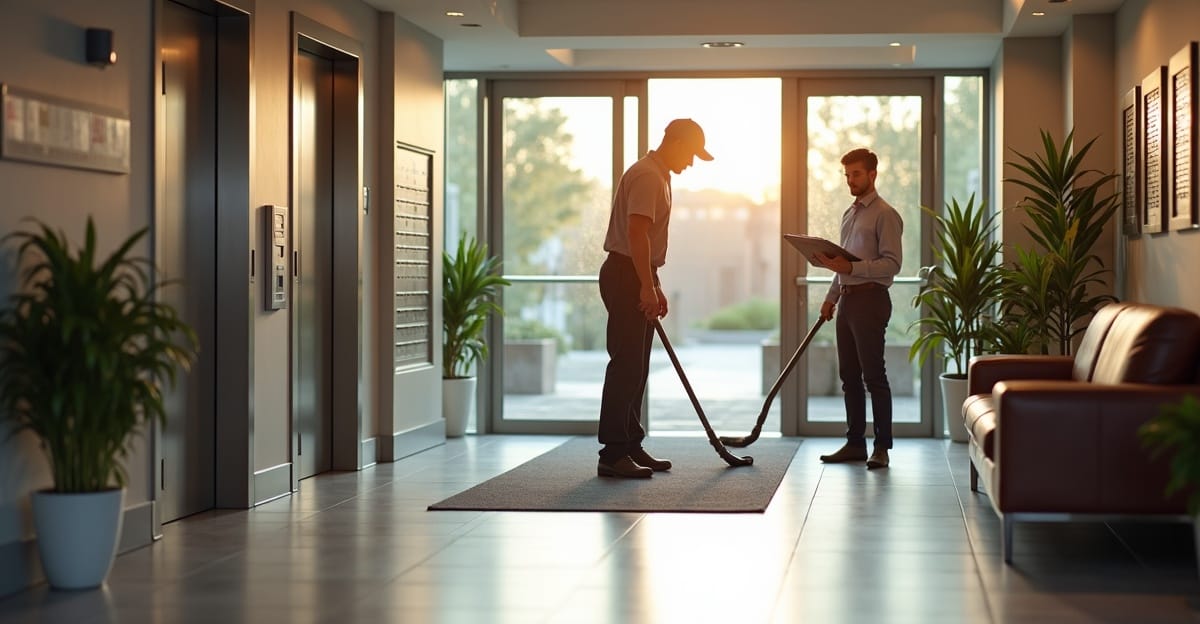
Strata property cleaning services maintain shared areas in multi-tenant buildings, where strata committees or body corporates hold responsibility instead of a single business owner. We approach strata cleaning with a structured scope, clear reporting, compliance oversight, and coordinated scheduling. Standard office cleaning doesn’t cover these demands. High-traffic spaces serve multiple tenants and visitors, so we plan for constant use and visibility.
Key Takeaways
- Strata cleaning covers shared internal and external areas such as foyers, lifts, stairwells, car parks, and bin rooms in multi-tenant buildings.
- It differs from office cleaning by requiring coordination with strata committees, building managers, and multiple occupants.
- Clear documentation, reporting, and compliance processes are essential to manage risk in shared spaces.
- High-traffic and high-touch surfaces demand regular, visible maintenance to meet the expectations of all tenants.
- Buildings with ongoing complaints, unclear scopes, or compliance concerns often need specialised strata cleaning support.
Strata Cleaning Means Managing Shared Spaces, Not Just Cleaning Them
Strata property cleaning services cover the cleaning and upkeep of shared areas in multi-tenant buildings under common ownership or management. These buildings are typically overseen by a strata committee or body corporate that represents multiple owners or tenants, as outlined in Australian strata scheme governance guidelines.
A strata property can include CBD office towers in Adelaide, mixed-use developments in Sydney, suburban medical centres, or commercial complexes with retail on the ground floor and offices above. In each case, the common areas aren’t owned by one business. They’re shared. That changes everything.
Strata cleaning isn’t just “common area cleaning.” It’s coordinated, accountable multi-tenant building cleaning. The cleaner doesn’t report to a single office manager. We work with building managers and strata committees, and the standard has to reflect the expectations of every occupant and visitor.
The goal is simple: maintain shared spaces where multiple businesses operate side by side. That requires clear scope, defined responsibilities, and structure. If those aren’t in place, issues show up quickly—dirty lifts, complaints about toilets, or disputes over responsibility. Specialised strata property cleaning services prevent that friction before it starts.
What’s Actually Included in Strata Building Cleaning
Strata building cleaning focuses on the areas everyone uses but no single tenant owns, commonly defined as common property within a strata scheme. These are high-traffic spaces that shape the building’s reputation.
Common Internal Areas
Typical common area cleaning includes:
- Lobbies and foyers: glass doors, entry mats, hard floors, carpets, and high-touch points like handles and intercoms.
- Hallways and corridors across multiple levels, including skirting edges and corners.
- Lifts: interior panels, mirrors, floors, lift buttons, and door tracks.
- Stairwells: handrails, steps, landings, and dust-prone edges.
Shared amenities are also part of the scope. That often means toilets used by multiple tenants and shared staff kitchens or breakout spaces. These require regular sanitising and restocking, with clear responsibility for consumables.
External and Service Areas
Strata cleaning extends beyond the front door. External and service zones often include:
- Car parks, including sweeping and basic oil spot management.
- Waste management areas and bin rooms, where hygiene and odour control matter.
- Loading docks and external walkways with daily foot traffic.
High-touch surface cleaning is critical in these environments. Door handles, lift buttons, and handrails are used by dozens or hundreds of people each day and are widely recognised as high-touch surfaces requiring frequent cleaning. Poor attention here affects every tenant.
Waste coordination is another key difference. In a multi-tenant building cleaning plan, bins may serve several offices or medical suites. Collections, overflow prevention, and presentation all need oversight. That’s where facility cleaning services must align with strata expectations.
If the scope isn’t clear, problems spread across the building fast. Clear documentation of what’s included prevents grey areas.
How Strata Cleaning Differs from Standard Office Cleaning
Commercial cleaning vs strata cleaning isn’t just a branding difference. The structure and accountability are very different.
Here’s how they compare in practice:
- Scope:
- Office cleaning focuses on one tenancy.
- Strata cleaning covers shared, multi-tenant areas across the entire building.
- Communication:
- Office cleaning reports to one business contact.
- Strata cleaning involves strata committees, building managers, and sometimes tenant representatives.
- Accountability:
- Office cleaning answers to a single company.
- Strata cleaning requires structured reporting suitable for body corporates and committees.
- Frequency and visibility:
- Office cleaning often happens after hours.
- Strata cleaning can require visible daytime maintenance in high-traffic foyers and lifts.
- Risk exposure:
- In an office, slip hazards affect one team.
- In a strata building, a wet lobby floor affects every tenant and visitor and represents a common workplace slip and trip hazard.
In cities like Adelaide and Sydney, this difference is clear. A single-tenant office may only need standard office cleaning. A CBD tower with multiple businesses on each level requires coordinated strata building cleaning that reaches every shared zone.
If the distinction still feels unclear, our breakdown of janitorial and commercial cleaning explains how service scope shifts based on building type and management structure.
Compliance, Safety, and Risk Management in Shared Buildings
Building compliance cleaning plays a central role in strata environments. Shared buildings carry higher exposure because the public moves through them daily.
Key compliance areas include:
- Safe chemical use and storage, especially in shared cleaner cupboards or bin rooms.
- Managing slip hazards in tiled foyers, lift entries, and stairwells.
- Safe handling in car parks and waste zones where spills are common.
WHS responsibilities don’t sit with one tenant. If an incident happens in a shared area, the impact reaches the strata committee and potentially multiple businesses.
Clear documentation matters. Strata committees often expect service logs, incident reports, and confirmation that scheduled tasks were completed. A structured approach similar to what we describe in a commercial cleaning audit helps ensure accountability.
Poor coordination increases risk across the building. Missed mopping in a lobby affects every tenant. Incomplete bin room cleaning can trigger complaints from multiple offices at once. Building compliance cleaning reduces those risks by treating common areas as high-visibility, high-responsibility zones.
Why Coordination and Communication Are Critical in Strata Properties
Strata properties rarely operate on a single schedule. One floor may house corporate offices working 9–5. Another may include medical suites opening early and closing late. Retail tenancies may operate weekends.
Cleaning plans have to adapt. That can mean split shifts, early morning work, or targeted daytime maintenance in high-traffic spaces.
Access management is another factor. Certain service areas may require building manager approval. Some levels may have restricted zones. Without coordination, cleaners either disrupt tenants or miss tasks.
Effective cleaning for strata managers depends on clear communication channels. That usually includes:
- Regular updates to the strata committee.
- Direct coordination with the building manager.
- Escalation paths for urgent issues like spills or vandalism.
Missed tasks, inconsistent standards, and unclear reporting are common pain points. We often step in after complaints have built up for months. In those cases, reviewing how to transition to new cleaners can help committees manage change smoothly.
Consistent communication removes uncertainty. Everyone knows what’s cleaned, when it’s cleaned, and who to contact if something needs attention.
How to Tell If You Need a Dedicated Strata Cleaning Provider
Some buildings outgrow general cleaning arrangements. It becomes clear that a more structured approach is needed.
Signs it’s time to move to specialised strata property cleaning services include:
- Multiple tenancies sharing high-traffic common areas.
- Ongoing complaints about foyers, lifts, or shared toilets.
- No clear reporting structure for the strata committee.
- Compliance or WHS concerns that aren’t documented.
A reliable strata cleaning partner provides:
- A clearly defined scope based on the building layout.
- Transparent communication and simple reporting.
- Consistent scheduling across all shared spaces.
- Experience in multi-tenant building cleaning, not just single offices.
Strata cleaning is a specific discipline within commercial cleaning services. It demands visibility, structure, and accountability at every level.
If standards feel unclear or inconsistent, it’s worth reviewing the current arrangement. A quick walkthrough and a clear scope review often reveal gaps straight away. From there, requesting a structured proposal for strata property cleaning services ensures the building runs smoothly and every shared space reflects well on the businesses inside.
Frequently Asked Questions
Strata property cleaning services maintain shared areas within multi-tenant buildings such as offices, apartments, and mixed-use complexes. These services focus on spaces used by multiple occupants, including lobbies, lifts, stairwells, corridors, and car parks. Unlike standard office cleaning, strata cleaning requires coordination with building managers or strata committees and follows structured schedules, reporting, and compliance processes to keep shared environments clean, safe, and presentable.
The ideal cleaning frequency depends on building size, foot traffic, and the number of tenants. High-traffic areas like foyers, lifts, and entrances often require daily cleaning, while car parks or stairwells may be serviced weekly or on a rotating schedule. Professional strata property cleaning services create structured maintenance plans to ensure shared areas stay hygienic, safe, and visually consistent for tenants and visitors.
Strata building cleaning typically covers all shared internal and external spaces within a property. This often includes lobbies, hallways, lifts, stairwells, shared bathrooms, bin rooms, car parks, and external walkways. High-touch points such as door handles, lift buttons, and handrails are also sanitised regularly. These services ensure common areas remain clean and functional for everyone who uses the building.
Strata cleaning differs from office cleaning because it focuses on shared environments rather than a single business tenancy. Cleaners must coordinate with strata committees, building managers, and multiple occupants while maintaining common spaces used by everyone in the building. The service usually involves structured reporting, risk management, and visible maintenance in high-traffic areas to meet the expectations of multiple tenants.
A building should consider specialised strata property cleaning services when multiple tenants share common areas or when cleaning responsibilities become unclear. Signs include frequent complaints about shared spaces, inconsistent cleaning standards, or lack of reporting for the strata committee. A dedicated provider can implement a clear scope, consistent schedule, and structured communication to maintain the building’s shared environments effectively.