
What is included in an office clean?
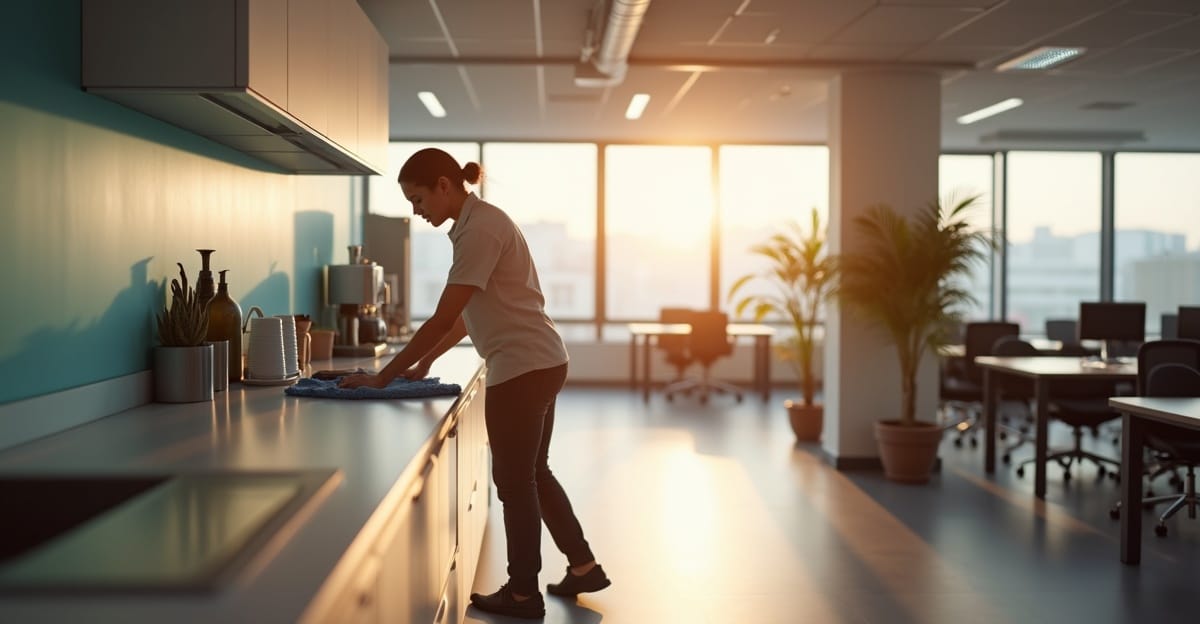
What is included in an office clean is a defined set of practical tasks that keeps workplaces safe, usable, and presentable without extra fuss. We focus on clear priorities and consistent outcomes. A standard scope usually covers visible daily cleaning, high‑use areas, bathrooms, kitchens, and a clear schedule that separates routine work from weekly and periodic tasks.
Key Takeaways
- A standard office clean centres on everyday tasks like floors, bins, desks, and shared areas so the space stays functional and ready for use.
- Bathrooms and kitchens receive guaranteed attention, with sanitising, bin emptying, restocking, and floor care treated as essentials rather than add‑ons.
- Cleaning tasks follow a set frequency, with daily, weekly, and periodic duties defined to balance hygiene, appearance, and cost control.
- Office size, layout, foot traffic, and operating hours shape the final scope, so no two offices receive the same clean.
- Consistent results, clear communication, and a written scope of work signal that an office clean meets professional standards we’re proud to deliver.
The core tasks included in a standard office clean
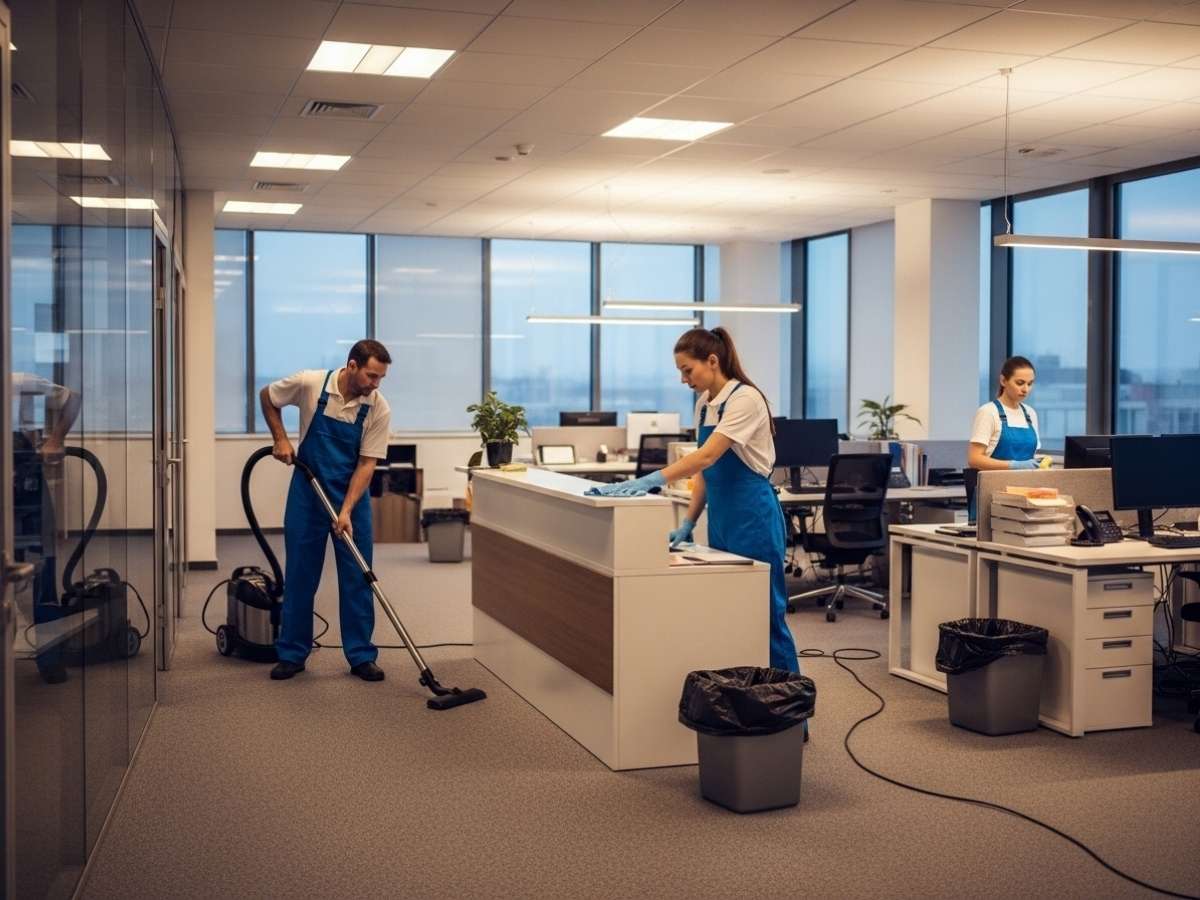
A standard office clean covers the visible, day‑to‑day work that keeps a workplace functional, safe, and presentable. This is the baseline most commercial spaces should expect, not a premium add‑on.
In most offices, standard office cleaning tasks include floors cleaned to remove dust and debris, bins emptied before they overflow, and work areas left ready for use the next day. Desks and workstations are wiped on clear surfaces only. Phones and shared equipment are cleaned where permitted. Reception areas, entry points, and high‑use zones are always part of the scope because they set the first impression for staff and visitors.
Internal glass and partitions usually get spot cleaning. Reachable surfaces are dusted. Floors are vacuumed or mopped based on the surface type. The result matters more than the task list. Floors feel clean underfoot. Touchpoints look visibly hygienic. Nothing distracts from getting work done.
This aligns with what most decision‑makers expect from professional office cleaning and matches the practical breakdown in this office cleaning overview.
Bathrooms, kitchens, and shared amenities: non‑negotiables in professional offices
Bathrooms and kitchens carry the highest hygiene risk in any office, particularly in shared environments where workplace hygiene standards outlined by Safe Work Australia emphasise infection control and regular sanitising. They should always be included in a professional office cleaning scope, without exception.
What’s typically covered
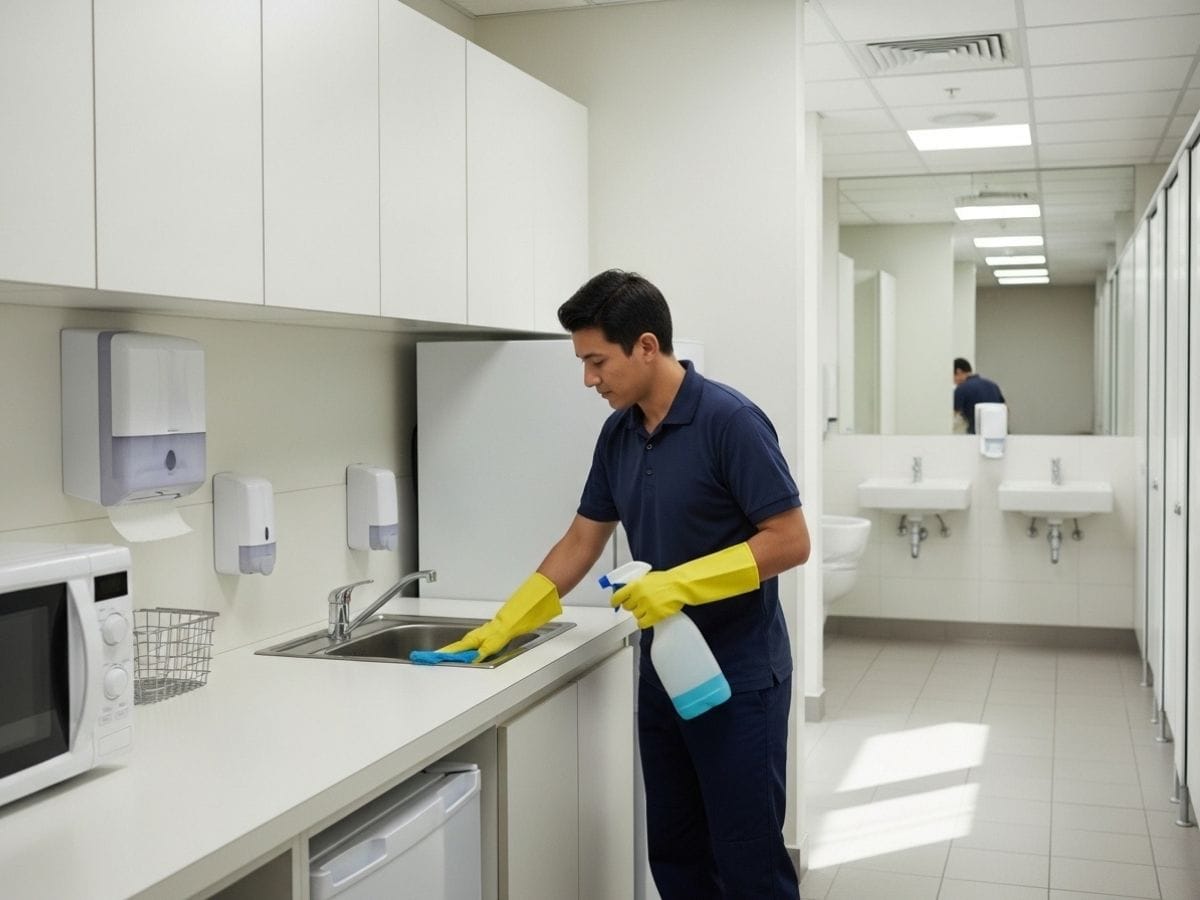
In bathrooms, cleaners sanitise toilets and urinals, wipe basins and taps, clean mirrors, mop floors, and empty sanitary bins. Consumables like soap, paper towel, and toilet paper are often topped up if that’s part of the agreement. Kitchens and breakout areas focus on benchtops, tables, sinks, and the external surfaces of fridges and microwaves. Bins are emptied, cupboard fronts spot cleaned, and floors mopped.
These areas are where cleaning quality shows first. Poor odour control, empty dispensers, or missed surfaces usually point to an incomplete scope or weak follow‑through. A clear office cleaning checklist helps prevent those gaps and keeps standards consistent.
Daily, weekly, and periodic tasks: how office cleaning frequency really works
Not every task happens every visit. Commercial office cleaning services are structured by frequency to balance hygiene, appearance, and cost, aligning with industry cleaning standards recognised by the Facility Management Association of Australia.
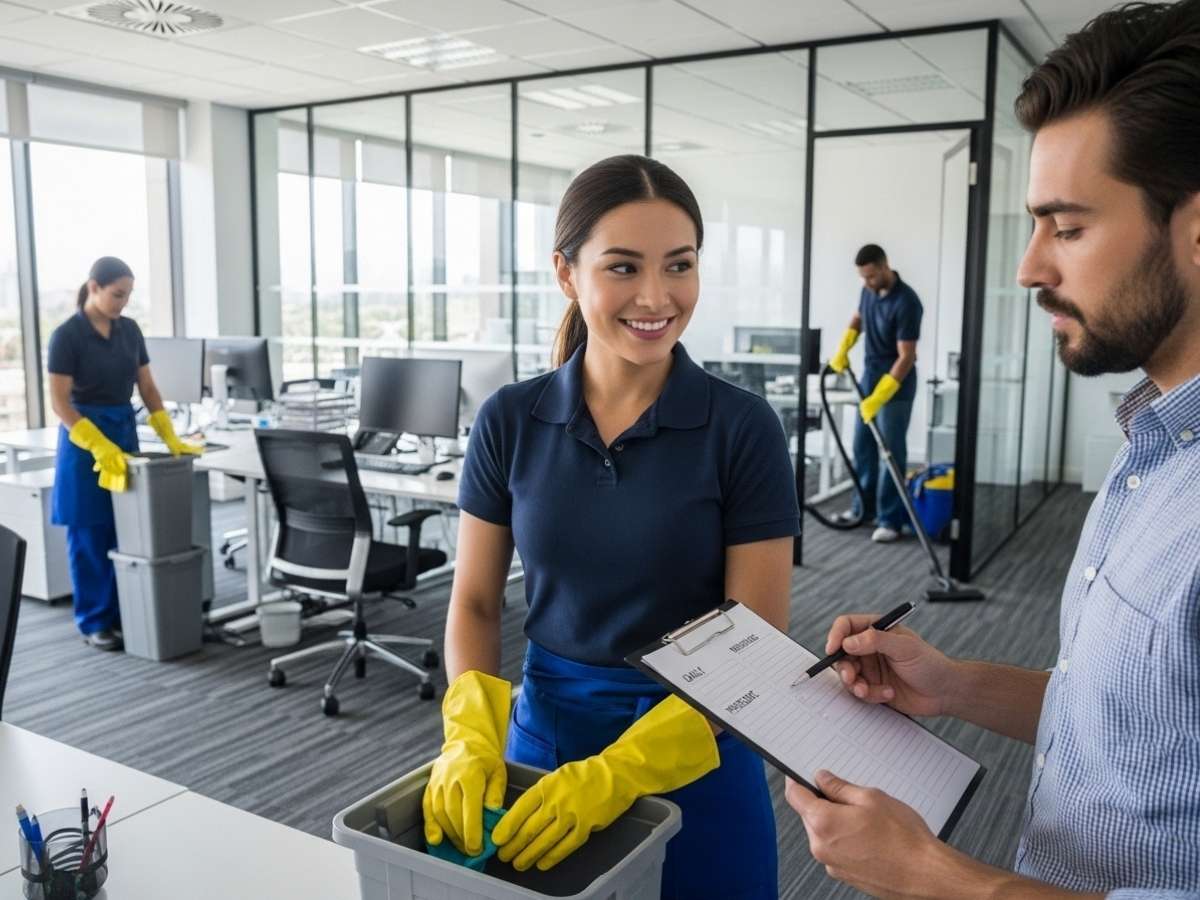
Daily or regular tasks usually include bins, bathrooms, kitchens, key touchpoints, and main floor areas. Weekly tasks often cover more detailed dusting, edge vacuuming, internal glass, and spot marks on walls or doors. Periodic or deep‑clean tasks are scheduled less often and may include carpet steam cleaning, hard‑floor machine scrubbing, high dusting, vents, or detailed wall cleaning.
Office size, staff numbers, and usage all shape this schedule. A busy office with high foot traffic needs more frequent attention than a quiet space. What matters is clarity. A written office cleaning scope of work should spell out what happens daily, weekly, and periodically so expectations don’t drift. For guidance on timing, this piece on office cleaning frequency breaks it down well.
What can vary from office to office (and why scopes are never one‑size‑fits‑all)
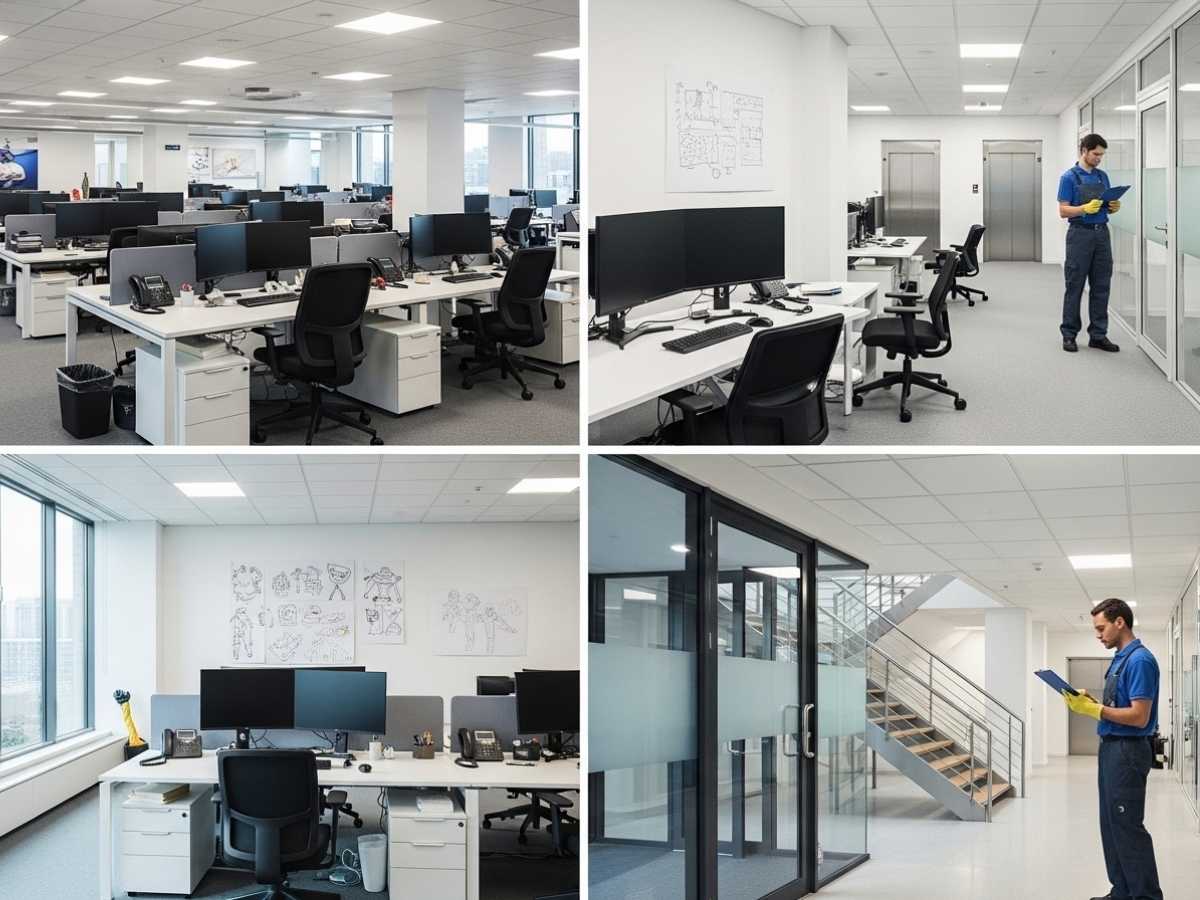
No two offices operate the same way. Size and layout matter, but so do staff numbers, opening hours, and foot traffic. An office with extended trading hours often relies on after hours office cleaning so cleaning doesn’t disrupt work. Others need daytime coverage for constant use areas.
Some workplaces need extra focus on entryways, lifts, stairwells, or shared building spaces. Industry requirements also play a role. A call centre, for example, has different touchpoint demands than a design studio.
Variation is normal. Problems start when scopes are copied without adjustment or when quotes are compared without looking at what’s actually included. A professional cleaner adjusts the scope to the environment instead of forcing a template. That’s a key difference between general cleaning and true commercial cleaning, and it’s also where confusion often arises between janitorial and commercial roles, as explained in this comparison.
Specialised environments: medical centres, strata buildings, and high‑compliance sites
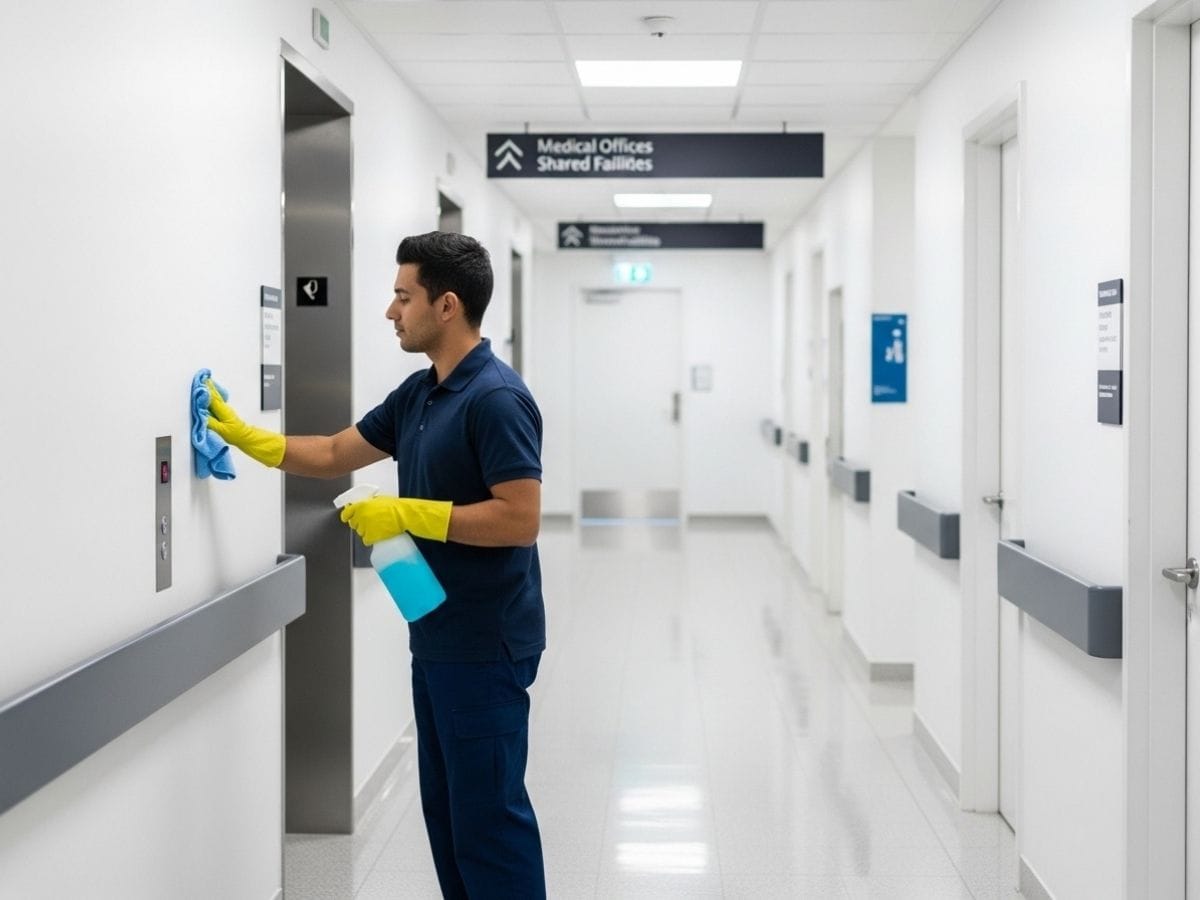
Some offices operate under tighter expectations. Medical centres often need higher-frequency cleaning, detailed disinfection of touchpoints, and strict hygiene controls in line with national infection prevention guidelines for healthcare settings. Strata and multi‑tenant buildings extend beyond one tenancy and include common areas like lifts, stairwells, and shared amenities.
These environments call for experienced teams and carefully defined scopes. The work still follows core office cleaning principles, but with added layers of control and accountability. Matching the cleaner to the environment is essential. A provider experienced in high-touch and shared spaces makes a real difference in these settings, particularly given how frequently touched surfaces can contribute to infection transmission according to the World Health Organization.
How to tell if your office clean is meeting professional standards
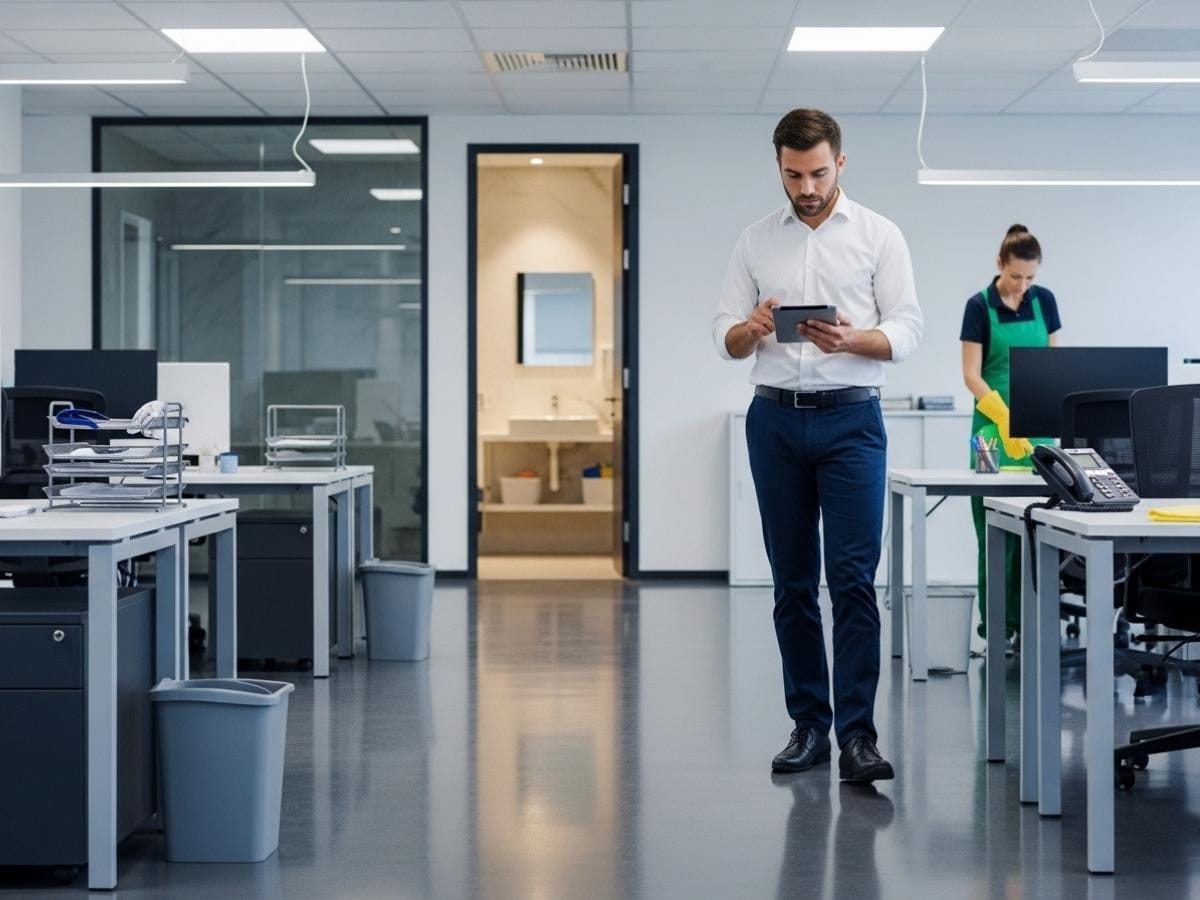
A quality office clean shows up in consistency. Bins are never missed. Bathrooms stay fresh. Floors and touchpoints look the same visit after visit. Communication is clear about what’s done and how often.
If standards slip, the cause is often unclear expectations rather than lack of effort. Reviewing the current scope against what’s actually happening onsite helps close that gap. This article on commonly missed office areas is a useful benchmark.
Where gaps persist, it’s worth reassessing the scope or speaking with a professional team that handles offices of all sizes, whether through office cleaning in Sydney—operating in accordance with City of Sydney business regulations—or office cleaning in Adelaide under City of Adelaide commercial compliance requirements. Clear scopes, matched to the space, keep cleaning predictable and standards where they should be.
Frequently Asked Questions
A standard office clean includes routine tasks that keep the workplace tidy and hygienic. This usually covers vacuuming or mopping floors, emptying bins, wiping desks on clear surfaces, cleaning reception areas, and sanitising high-touch points like door handles and switches. Bathrooms and kitchens are also cleaned, as these are essential for daily hygiene and usability.
Office cleaning frequency depends on foot traffic, staff numbers, and how the space is used. Most offices require daily cleaning for bathrooms, kitchens, bins, and main walkways. Other tasks such as internal glass, detailed dusting, or spot wall cleaning are often done weekly. Deep cleaning tasks are scheduled periodically to maintain long-term cleanliness.
Office cleaning usually includes wiping desk surfaces only if they are clear and accessible. Computers, keyboards, and phones are cleaned only when permitted, as they are personal or sensitive equipment. Many offices prefer staff to manage their own devices, with cleaners focusing on shared equipment and common touchpoints to avoid damage or privacy concerns.
Yes, bathrooms and kitchens are considered non-negotiable areas in professional office cleaning. These spaces typically receive thorough sanitising of toilets, basins, sinks, and benchtops, along with floor cleaning and bin emptying. Restocking consumables such as soap and paper products may also be included, depending on the agreed cleaning scope.
The final cleaning scope is shaped by office size, layout, operating hours, and foot traffic. A busy office with extended hours may need more frequent or after-hours cleaning. Industry requirements and shared building areas can also add tasks. This is why professional office cleaning scopes are tailored rather than one-size-fits-all.