
What does office cleaning involve?
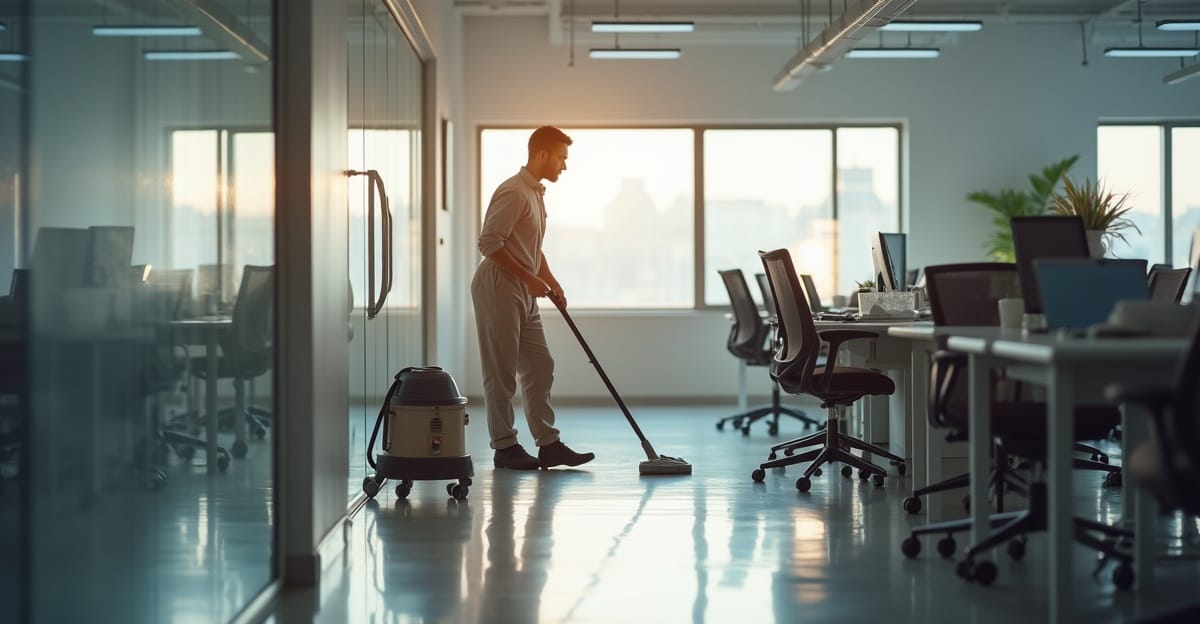
What does office cleaning involve in a professional setting comes down to consistent, practical tasks that keep offices safe, usable, and presentable every day. We break down the real scope of office cleaning, from daily hygiene duties and high-touch disinfection to floor care, adjusted schedules, and the dependability expected from a professional cleaning team.
Key Takeaways
- Professional office cleaning focuses on repeatable daily tasks like waste removal, surface wiping, dusting, and upkeep of shared spaces.
- High-risk areas such as bathrooms, kitchens, and high-touch points need frequent, non-negotiable cleaning to protect health and cut complaints.
- Floors and visible surfaces receive care with safety, wear management, and first impressions in mind, not appearance alone.
- Cleaning frequency should match office use, balancing daily, weekly, and periodic tasks.
- Different environments such as medical, strata, and multi-tenant buildings need adjusted standards, clearer protocols, and stronger coordination.
What professional office cleaning actually covers day to day
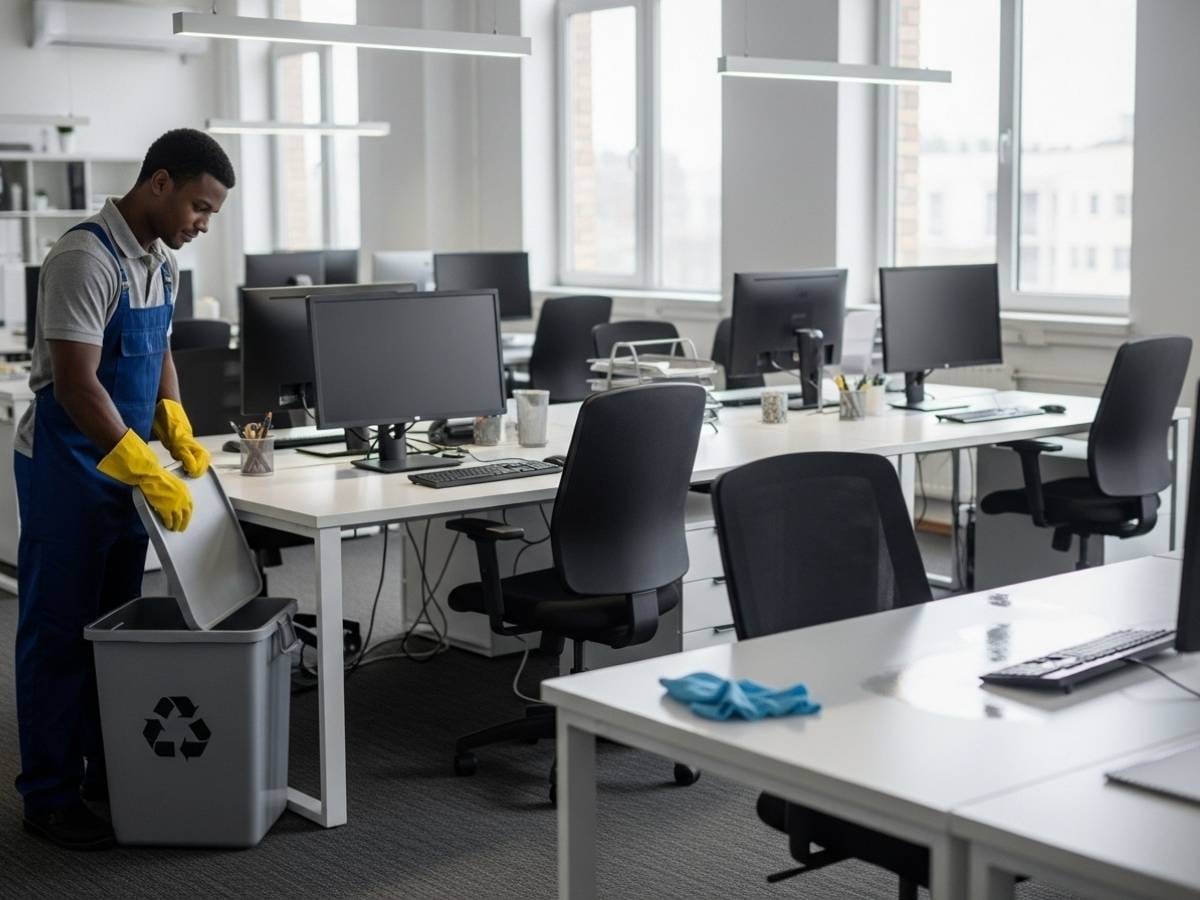
Professional office cleaning services cover repeatable, practical tasks that keep a workplace safe, usable, and presentable every day. When people ask what is included in office cleaning in a commercial setting, they’re usually talking about these core duties—not a one-off tidy or a vague promise.
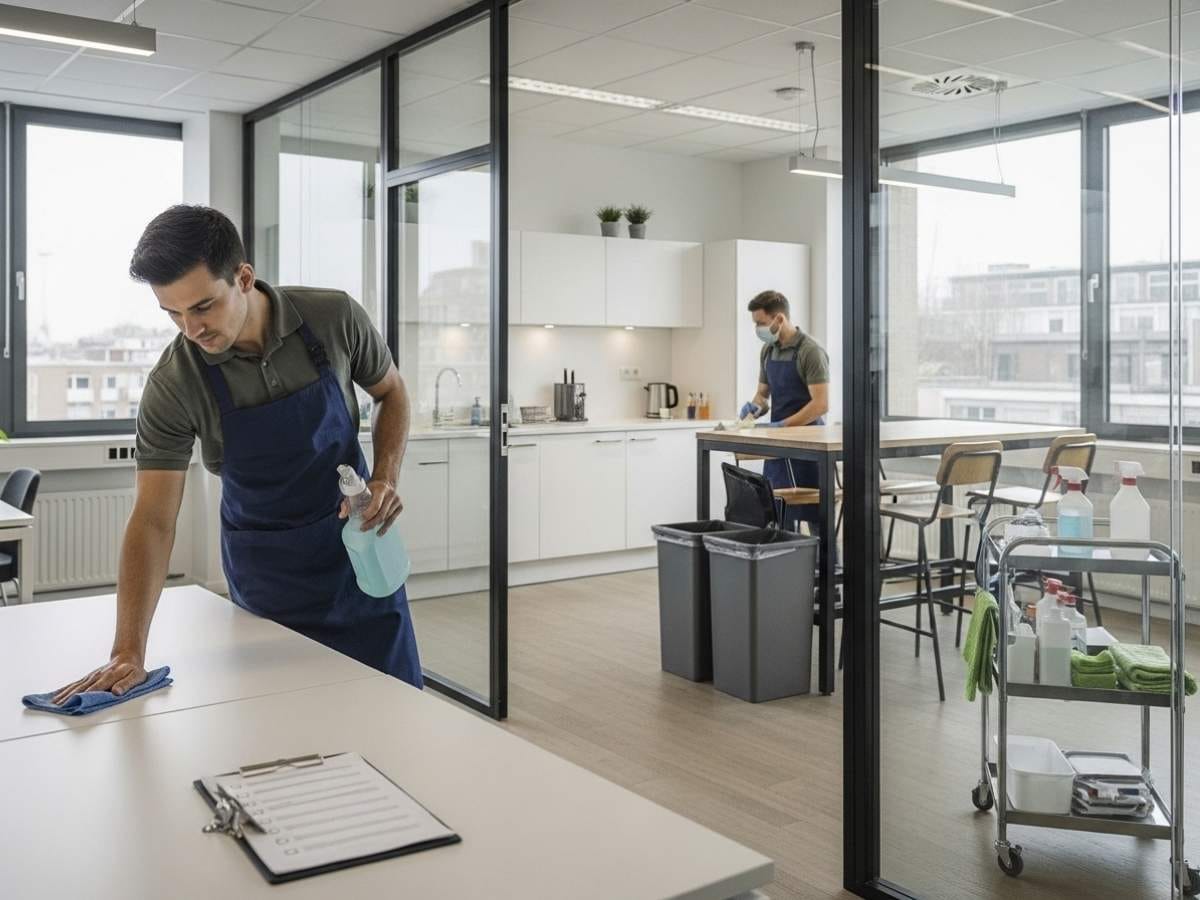
Commercial office cleaning focuses on the basics done well and done consistently. Bins are emptied so waste doesn’t sit overnight and attract pests. Desk surfaces and shared work areas are wiped with care, keeping personal setups intact while removing grime and germs. General dusting reduces build-up that affects both appearance and air quality, a factor widely recognised in indoor air quality standards.
These tasks matter because they form the baseline. Regardless of building size, decision-makers should expect these standards as normal commercial cleaning expectations. Anything less creates health risks, complaints, and a steady decline in how the space looks and feels. For a detailed breakdown of scope, we explain the essentials in our guide on what office cleaning involves.
Hygiene-critical areas and high-touch points
Certain areas carry more risk and get noticed faster. Kitchens, bathrooms, and high-touch points have the biggest impact on health and perception, so frequency and method matter in busy offices.
Areas that need consistent attention
An effective office cleaning checklist isn’t generic. It prioritises spaces that trigger complaints or absenteeism if missed, a risk consistently linked to poor workplace hygiene practices. That typically includes:
- Bathrooms cleaned and restocked, covering toilets, basins, mirrors, dispensers, and floors.
- Kitchens and breakrooms cleaned daily, including sinks, benches, microwaves, and fridge exteriors.
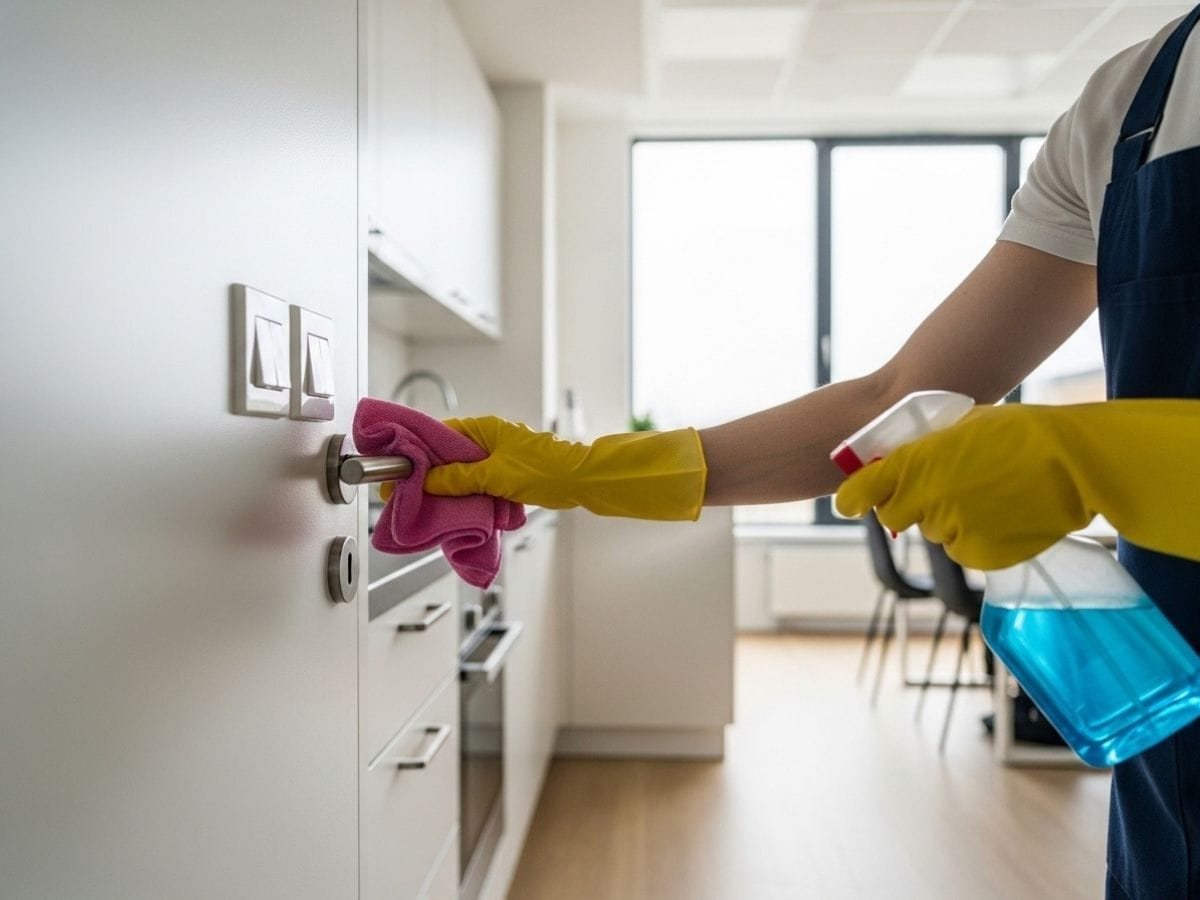
- High-touch points disinfected, such as door handles, lift buttons, light switches, shared phones, and meeting room tables.
A reliable office cleaning company treats these as non-negotiables. High-touch surface work is often scheduled daily, with added detail during peak periods, in line with public health guidance on cleaning frequently touched surfaces in workplaces—an approach supported by focused services like high-touch surface cleaning. For a practical reference, our office cleaning checklist explained shows how these areas fit into daily routines.
Floors, surfaces, and presentation standards
Floors and visible surfaces shape first impressions and influence safety. Professional cleaners don’t just vacuum and mop; they focus on intent and outcomes.
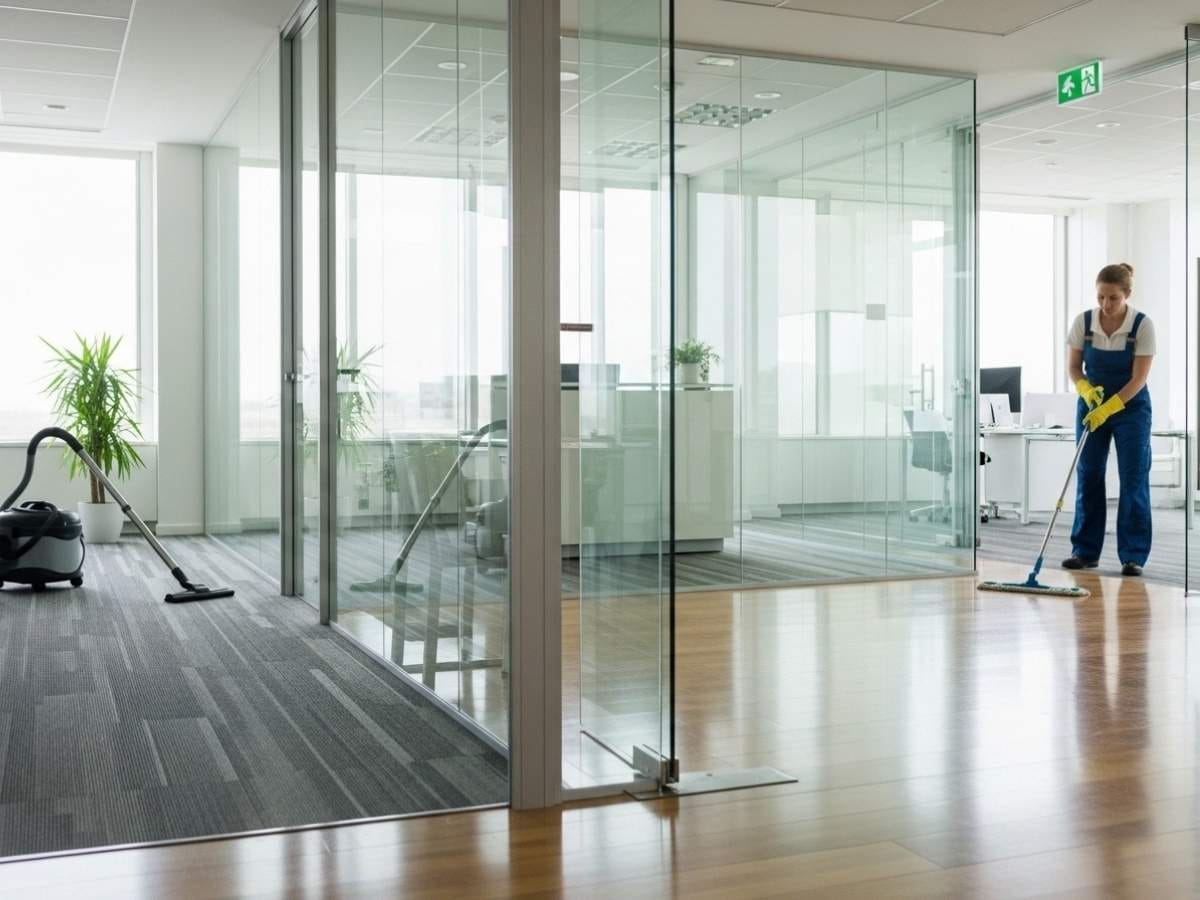
Carpets are vacuumed to manage debris and slow wear patterns. Hard floors are mopped to reduce slip risks, especially at entry points and kitchens, supporting broader workplace slip and fall prevention guidelines.
High-visibility marks on walls, glass, and partitions get spot-treated in areas like reception zones and boardrooms.
Clean floors protect building assets and reduce long-term costs. They also signal professionalism to clients and tenants the moment they walk in. Services such as commercial floor cleaning and periodic carpet cleaning support these standards without disruption.
Cleaning frequency and how it varies by office
Office cleaning frequency should match how the space is used, not a generic schedule. Foot traffic, staff numbers, and operating hours all matter.
In most offices, bathrooms, kitchens, bins, and high-touch points need daily cleaning. Weekly work often includes detailed dusting, internal glass, and break room resets. Periodic tasks—such as steam carpet work, high-level dusting, or full resets—are planned monthly or quarterly.
Understanding frequency helps decision-makers check if current services align with real needs. It also avoids overpaying for the wrong tasks while missing essential ones. We cover planning in more detail in how often offices should be professionally cleaned.
Different requirements for medical, strata, and multi-tenant sites
Office cleaning isn’t one-size-fits-all, especially in shared or high-compliance environments.
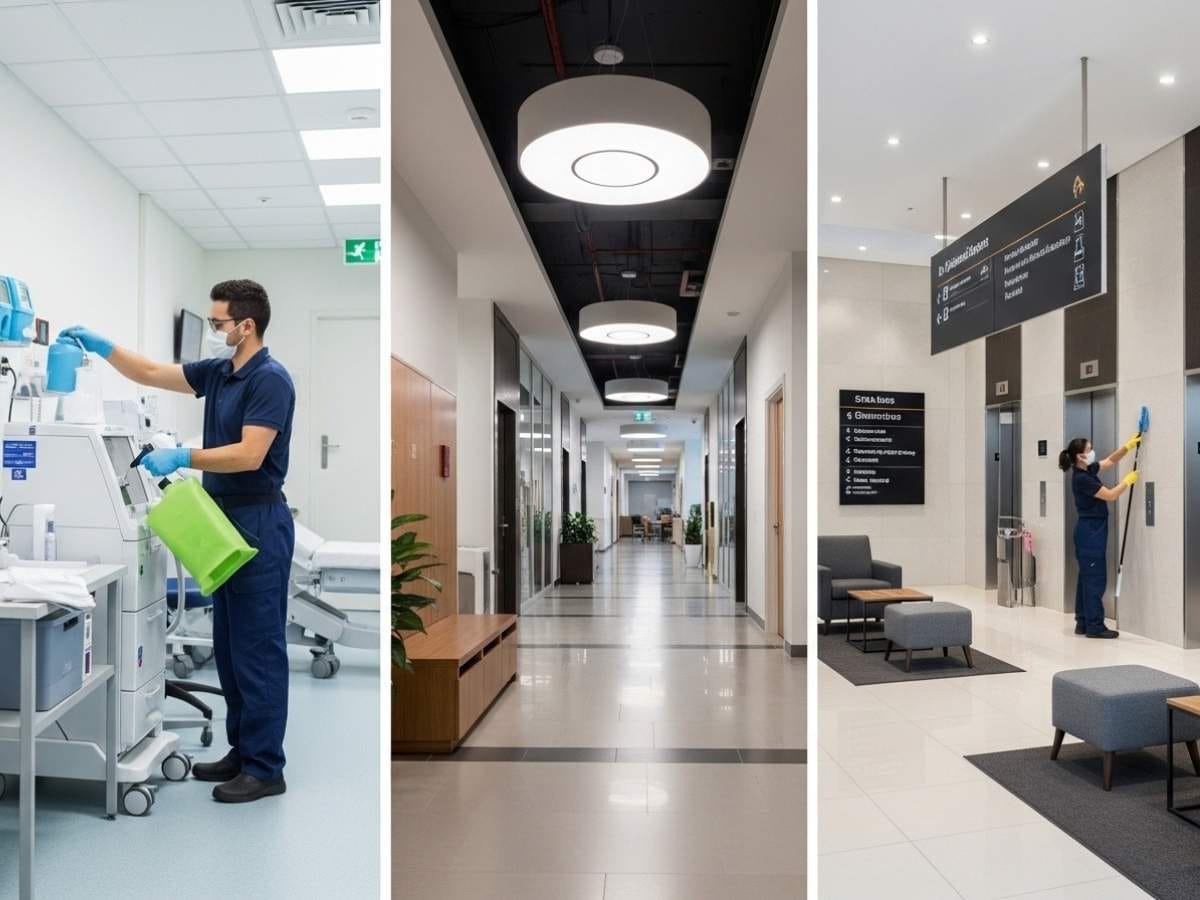
Medical and healthcare spaces require stricter routines. Medical office cleaning requirements focus on infection control, precise touchpoint disinfection, and documented processes, as outlined in healthcare environmental cleaning standards. The margin for error is small, and cleaning teams need clear protocols.
Strata-managed and multi-tenant buildings add coordination. Cleaners work with building management, manage shared amenities, and handle after-hours access without disrupting tenants. Strata office cleaning balances multiple occupants while keeping common areas consistent.
Knowing these differences helps managers compare quotes accurately and avoid gaps. For broader context, our overview of commercial cleaning coverage explains how site type changes scope.
Reliability, communication, and what good service looks like over time
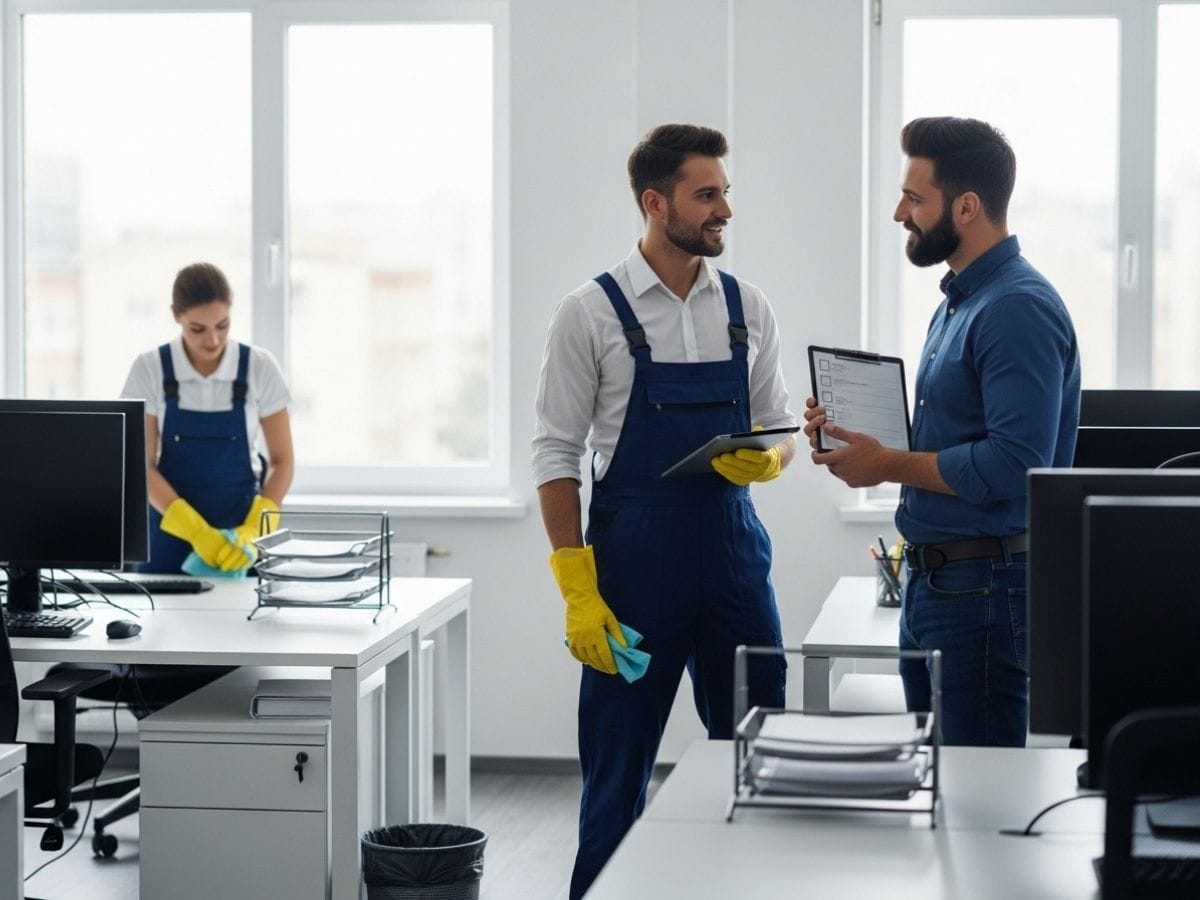
Professional office cleaning services are about consistency as much as tasks. A reliable office cleaning company turns up as scheduled, meets the same standard each week, and communicates clearly.
Good providers report issues they see, respond fast when something is missed, and adapt when offices change. That reliability lets managers focus on their core work instead of chasing cleaners.
When reviewing services, look for steady supervision, clear points of contact, and realistic promises. Understanding where gaps often occur helps too; our article on commonly missed office areas is a useful check.
For teams that need consistent support across sites, services like commercial office cleaning backed by responsive communication make the difference. If standards slip or needs change, starting a direct conversation early keeps cleaning aligned with expectations.
Frequently Asked Questions
Professional office cleaning usually includes daily waste removal, surface wiping, dusting, vacuuming, and cleaning shared areas like kitchens and bathrooms. The goal is to maintain hygiene, safety, and usability rather than perform deep or one-off cleans. Tasks are standardised so the workplace stays consistently clean and functional throughout normal business operations.
Most offices require daily cleaning for bathrooms, kitchens, bins, and high-touch surfaces, while other tasks are done weekly or periodically. The right frequency depends on staff numbers, foot traffic, and operating hours. Offices with higher usage or public access often need more frequent cleaning to prevent hygiene issues and visible wear.
Yes, desks and workstations are usually lightly cleaned as part of office cleaning, focusing on shared surfaces and visible areas. Cleaners avoid disturbing personal items while wiping desks, phones, and chairs where allowed. Policies may vary, but professional services balance hygiene with respect for individual workspaces.
Bathrooms, kitchens, breakrooms, and high-touch points are the highest priority areas. These spaces carry the greatest health risk and are most likely to generate complaints if neglected. Door handles, light switches, lift buttons, and shared equipment are disinfected frequently to reduce the spread of germs in the workplace.
Yes, medical offices, multi-tenant buildings, and strata-managed sites require stricter protocols and coordination. Medical settings focus on infection control and documented procedures, while shared buildings need consistent cleaning of common areas without disrupting occupants. Cleaning standards are adjusted based on compliance needs and building complexity.