
Is Touchpoint Cleaning Still Necessary?
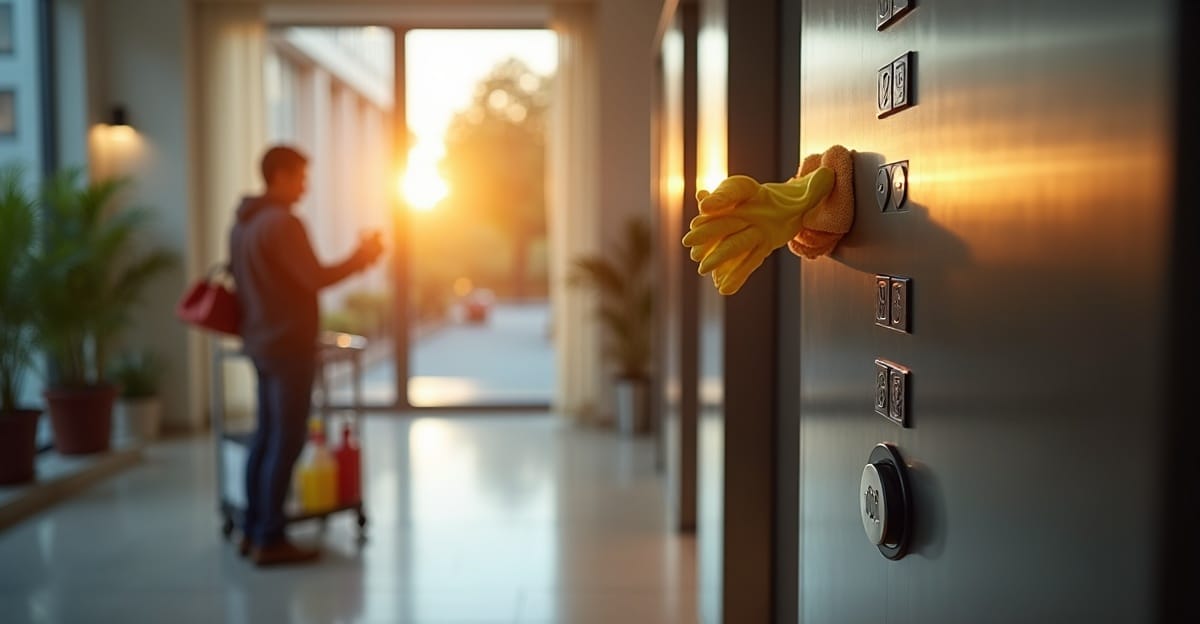
Touchpoint cleaning in offices remains a practical infection control measure, even though peak pandemic protocols have eased and full-site disinfection no longer happens as a default. The real issue is not whether we still need it. The focus now sits on setting the right frequency and scope based on foot traffic, shared surfaces, compliance requirements, and workplace expectations.
We see offices operate with new patterns. Teams rotate through hybrid schedules. Visitors move through shared zones. Cleaning plans must reflect that reality. We base frequency on risk, usage, and visibility. This approach protects health while controlling cost.
Key Takeaways
- Touchpoint cleaning targets high-contact surfaces such as door handles, lift buttons, shared desks, kitchen appliances, and bathroom fixtures to reduce cross-contamination.
- Post-pandemic standards have shifted from extreme cleaning to balanced, risk-based routines tailored to how each office is used.
- High-traffic offices, hot-desking environments, healthcare-linked facilities, and strata buildings often require structured and documented touchpoint cleaning.
- Reducing touchpoint cleaning may cut short-term costs but can increase absenteeism, complaints, and reputational risk if hygiene declines.
- Regularly reviewing and documenting touchpoints by zone helps prevent gaps, overservicing, and compliance issues as building use changes.
We treat these points as operational priorities, not theory. High-contact surfaces demand consistency. Lift buttons, access panels, shared tables, and breakout areas collect frequent contact throughout the day. Cleaners must follow a clear schedule. Supervisors should verify completion.
Balanced routines now replace emergency-level responses. Daily disinfecting of every wall or partition no longer makes sense in most workplaces. Instead, we adjust service levels to match occupancy. A corporate office with stable staff needs a different plan than a medical tenancy or a co-working floor.
Structured documentation plays a critical role. Many strata-managed buildings and healthcare-linked sites require records. Compliance audits expect proof, particularly under Safe Work Australia duty-of-care workplace health obligations. A clear touchpoint register by zone keeps teams aligned and protects building managers.
Short-term savings from cutting visible cleaning often create longer-term issues. Staff notice dirty handles and smudged switches quickly, which are often early indicators when considering what are the signs of a poorly cleaned office. Perception of poor hygiene spreads fast. Absenteeism can rise, as reflected in Australian Bureau of Statistics workplace illness data. Tenants may question management standards. We advise clients to assess risk carefully before reducing frequency.
Regular reviews keep the plan current. Office layouts change. Tenancies shift. Traffic flows increase or drop. We walk each site periodically and update the touchpoint list. That habit prevents missed surfaces and avoids paying for services that no longer add value.
A practical, risk-based touchpoint program supports health, protects reputation, and maintains confidence in the workplace. We recommend aligning cleaning scope with real usage data and revisiting it as operations evolve.
What Touchpoint Cleaning Really Means in a Modern Workplace
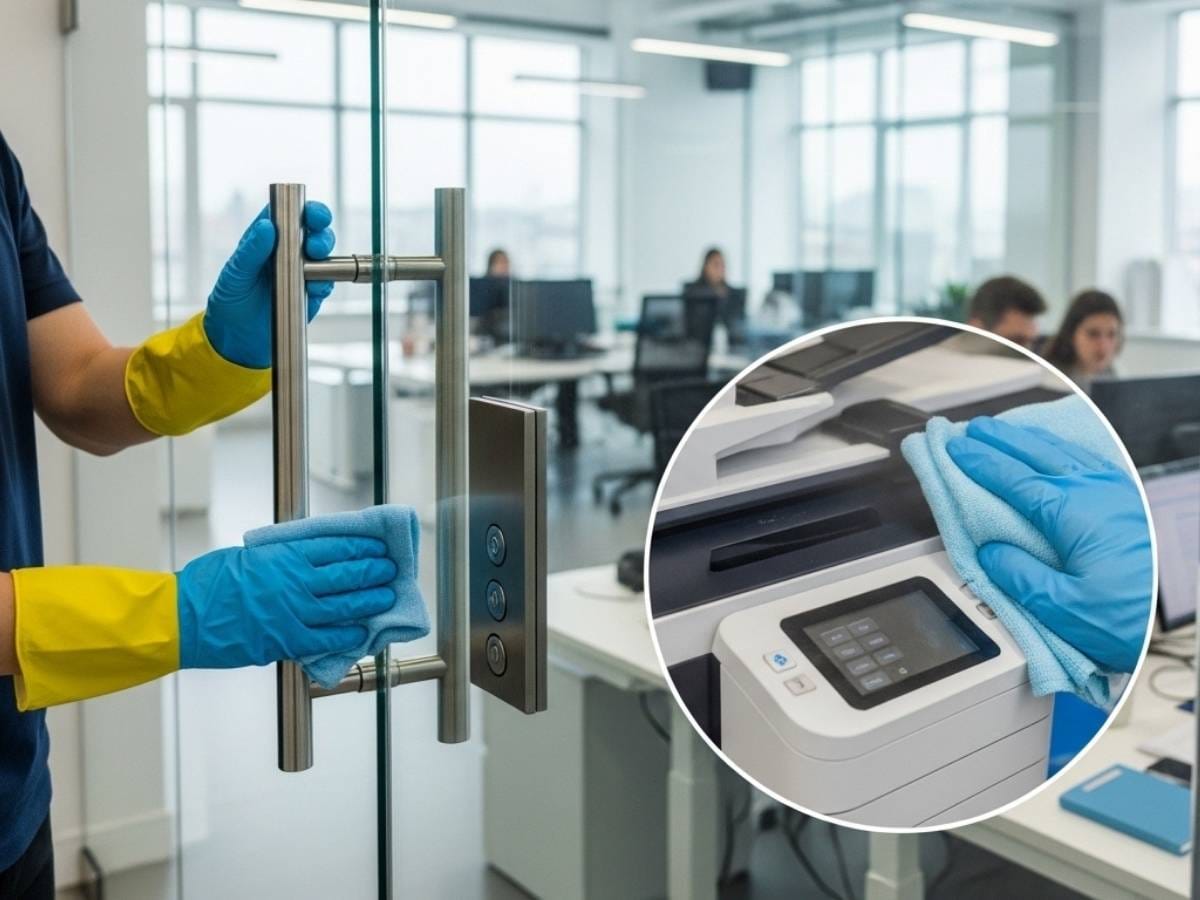
Touchpoint cleaning in offices focuses on the surfaces people touch every day. It targets specific high-use areas and sanitises them at a higher frequency than general cleaning.
In practical terms, office touchpoint cleaning means wiping and disinfecting surfaces such as:
- Door handles and push plates
- Lift buttons and handrails
- Light switches
- Shared desks and hot desks
- Kitchen appliances and fridge handles
- Reception counters
- Bathroom taps, flush buttons, and dispensers
- Printer panels and swipe card readers
These are high-contact points. They’re used by multiple people throughout the day, often without anyone realising how frequently.
This differs from general cleaning and helps clarify what does office cleaning involve compared with high-touch surface sanitation. Standard cleaning covers floors, bins, vacuuming, mopping, and dusting. Those tasks keep an office looking tidy. High-touch surface cleaning focuses on infection control in offices. It’s about reducing the transfer of bacteria and viruses between people, as outlined in guidance from the Australian Department of Health on surface transmission risks.
Without a clear definition of what qualifies as a “touchpoint,” cleaning scopes can become vague. One contractor may wipe kitchen benches daily but miss buttons on shared equipment. Another may disinfect door handles but skip lift controls. Over time, those gaps create inconsistency and risk.
Clear documentation fixes this. Every zone in the building should have listed touchpoints. That clarity helps align office touchpoint cleaning with how the space is actually used, instead of relying on assumptions.
What Changed Post-Pandemic — And What Didn’t
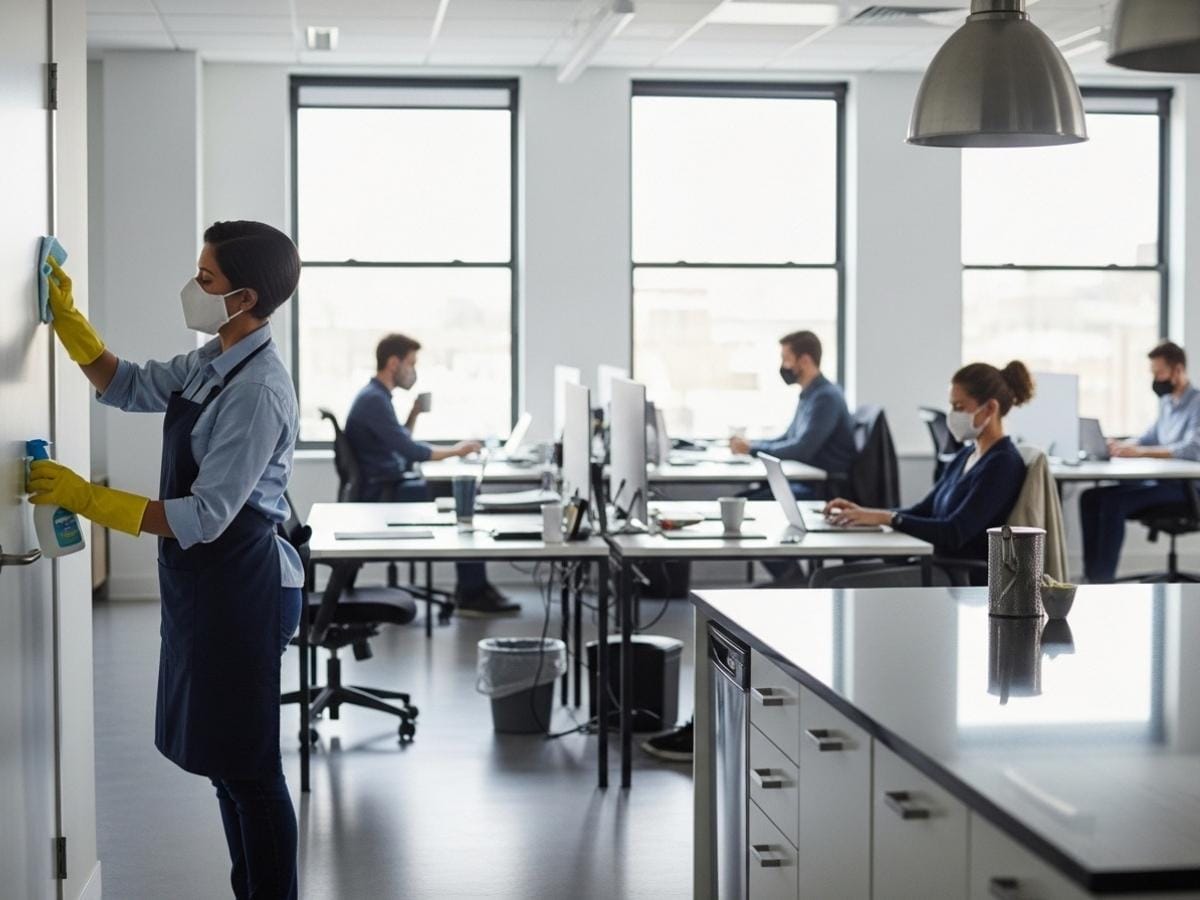
Peak COVID cleaning protocols have eased. Few offices now require the extreme frequencies seen in 2020 and 2021, and full-site disinfection campaigns are no longer routine outside specific outbreaks.
However, workplace expectations didn’t return to pre-2020 levels. Staff awareness is higher. Duty-of-care obligations are taken more seriously. Hygiene has become part of everyday business operations.
Touchpoint cleaning should now be viewed as part of modern commercial cleaning standards. It’s no longer a short-term response. It’s a baseline control measure, particularly in shared environments.
Employees expect visible hygiene practices. They notice whether shared desks are wiped down. They see if kitchen areas feel clean. Perception matters. A clean space supports confidence and productivity.
The conversation has shifted. It’s no longer “COVID-level cleaning or nothing.” The real question is what level of high-touch surface cleaning makes sense for a specific office today. In some spaces, that may mean daily sanitising of core touchpoints. In others, it may mean focused attention on shared amenities while reducing frequency elsewhere.
When Touchpoint Cleaning Is Still Non-Negotiable
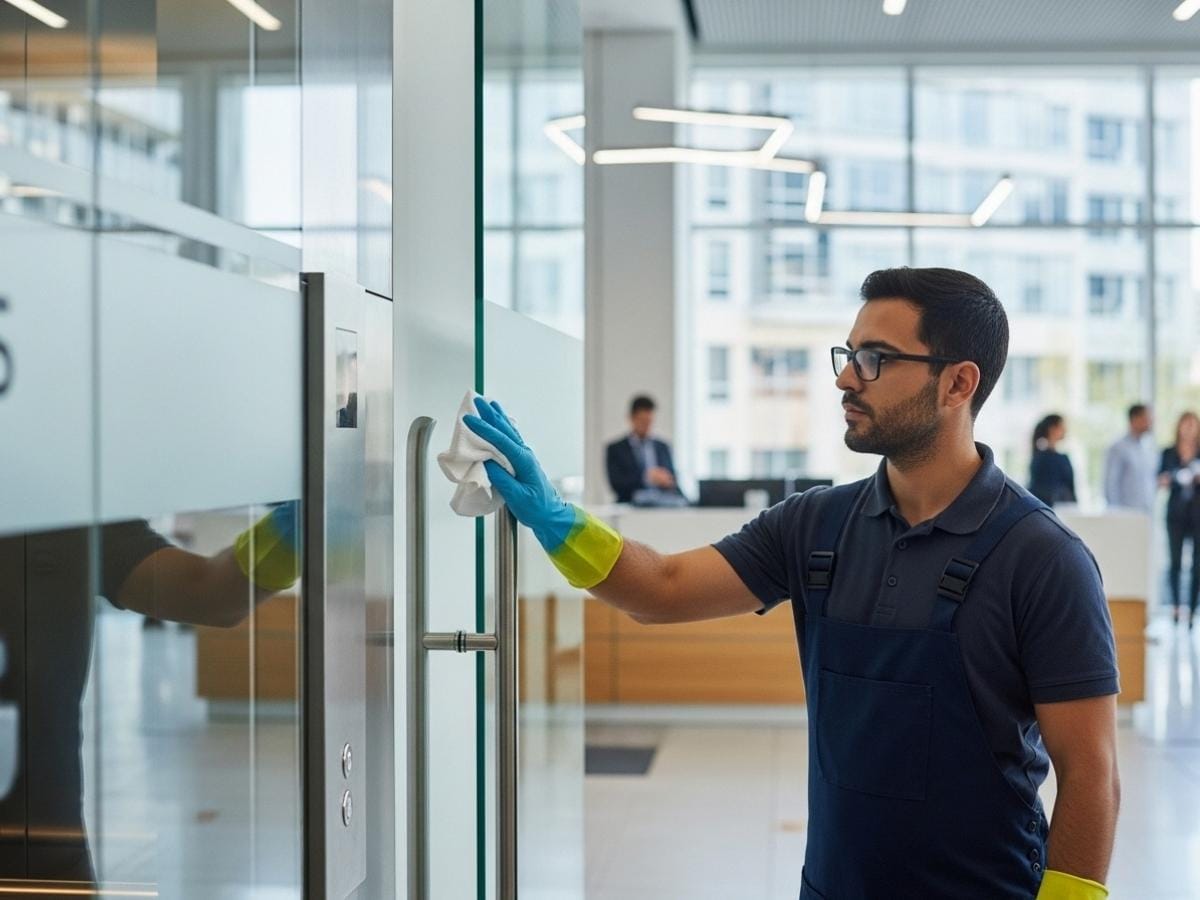
Some workplaces simply can’t scale back touchpoint cleaning without increasing risk.
High-traffic corporate environments are a prime example. Busy receptions, shared meeting rooms, and daily visitor flow mean constant contact with entry points and common surfaces. For these settings, structured high-touch surface cleaning remains essential.
Hot-desking offices also require close attention. When multiple staff members use the same desk in a single day, surfaces must be sanitised between users or at defined intervals. Without that, infection control in offices becomes inconsistent.
Medical and allied health facilities operate to stricter standards. Treatment rooms, waiting areas, and consultation spaces demand clearly documented procedures. Our approach to medical centre cleaning reflects those compliance obligations. In healthcare-linked offices, reducing touchpoint cleaning can create regulatory exposure under Australian healthcare environmental cleaning standards.
Strata buildings present another challenge. Lifts, mailrooms, gyms, shared kitchens, and corridors are touched by dozens or hundreds of occupants daily. Inconsistent service across common areas leads to complaints quickly.
Seasonal illness also changes the equation. During flu season, increasing touchpoint cleaning frequency can reduce transmission risk, consistent with Australian Department of Health influenza prevention guidance. The same applies in workplaces with vulnerable occupants or clients. Adjusting frequency at these times is practical and proportionate.
In Adelaide and Sydney, commercial buildings — especially medical and shared commercial facilities — operate under clear compliance expectations. Cleaning standards must match building use. In these environments, touchpoint cleaning isn’t optional. It’s part of responsible facility management.
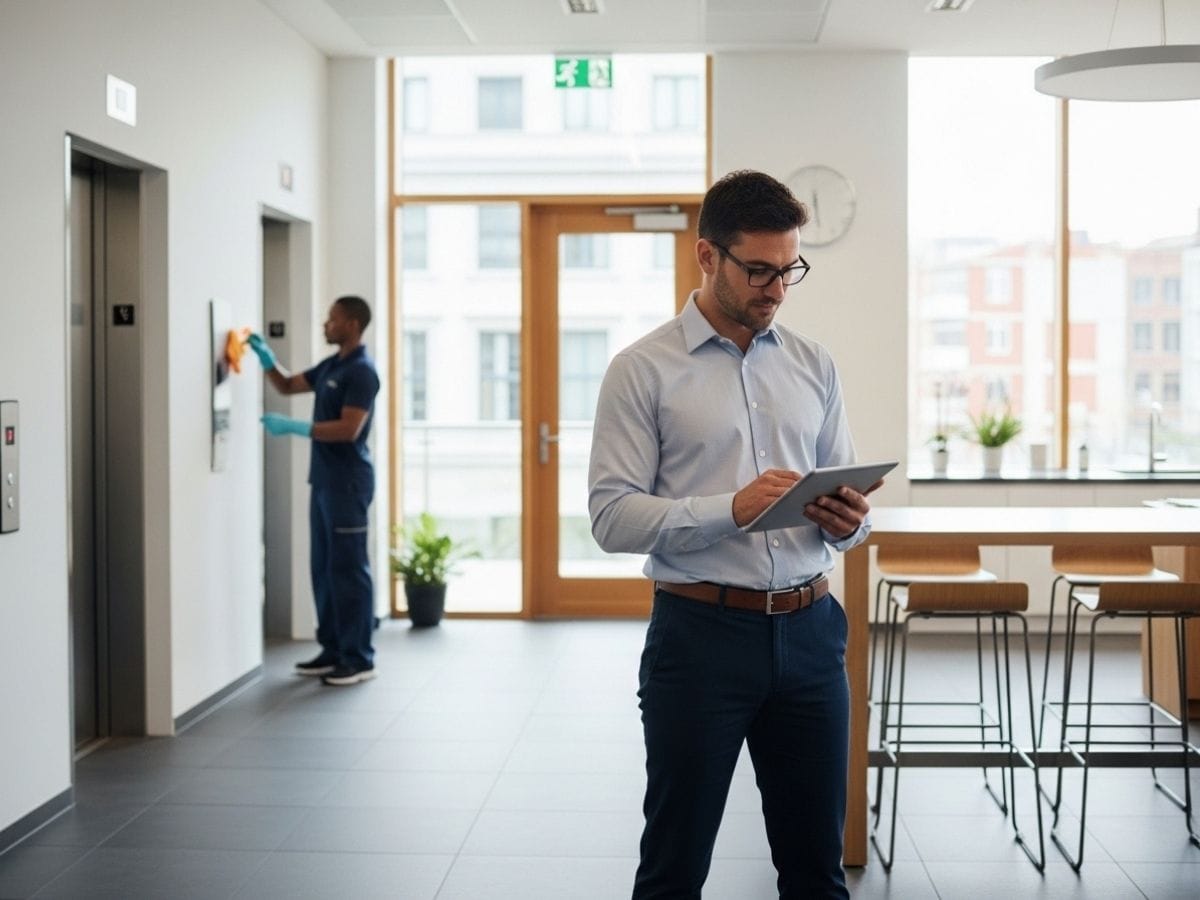
Cost, Risk, and Practical Decision-Making
Budget pressures are real. Operations leads regularly review cleaning scopes to manage spend. Touchpoint cleaning in offices often comes under scrutiny first because it appears as an added layer.
Reducing frequency may lower short-term costs. It can also increase absenteeism, staff complaints, and reputational risk if hygiene slips. A poorly maintained kitchen or visibly neglected lift panel often triggers more dissatisfaction than floors that aren’t freshly polished.
We recommend assessing four core factors before making changes:
- Foot traffic volume
- Number of shared surfaces
- Compliance obligations
- Stakeholder expectations
High-traffic offices with shared amenities require more attention. Low-density administrative spaces may not. Healthcare-linked sites must maintain documented procedures. Premium corporate buildings may have tenant expectations that go beyond minimum legal requirements.
Touchpoint cleaning should be viewed as risk management. It protects health, brand image, and operational continuity. It also supports broader cleanliness benchmarks outlined in discussions about how clean is clean enough for offices.
Balanced scopes usually perform best. They focus resources where contact is highest and scale back in low-risk areas. That approach maintains commercial cleaning standards without unnecessary overservicing.
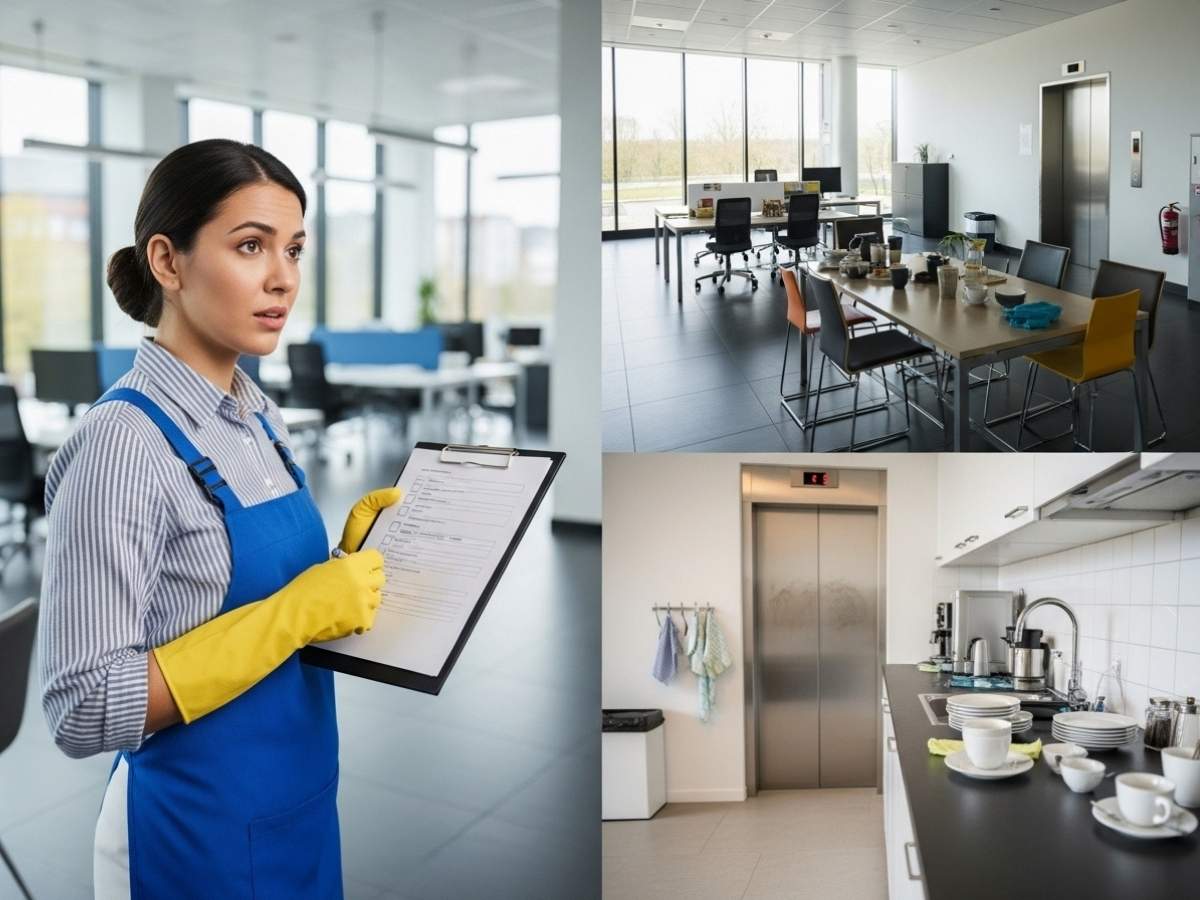
Signs Your Current Cleaning Scope Is Misaligned
Cleaning scopes drift over time. Staffing changes. Tenants move. Space usage evolves. If the scope doesn’t adapt, problems appear.
Over-servicing is common in low-traffic offices. Daily high-touch surface cleaning across every room may not be necessary if only a small team uses the space.
Under-servicing is more serious. Shared kitchens, lifts, and bathrooms often receive less attention than required, especially in mixed-use buildings. Clear guidance on how often shared kitchens should be cleaned helps set realistic standards.
Documentation gaps create confusion. If a scope doesn’t list touchpoints by zone, staff interpret tasks differently. One cleaner may wipe reception desks daily, while another assumes weekly is enough.
Medical and compliance-sensitive environments require documented procedures. Without them, proving adherence to standards becomes difficult.
Strata buildings frequently struggle with inconsistent service across shared facilities. One entry may receive thorough attention, while another is overlooked. Residents notice quickly.
These misalignments lead to frustration. They usually reflect unclear scope design rather than poor intent.
How to Set the Right Standard for Your Building
Review cleaning scopes at least once a year. Any change in staffing levels or tenancy should trigger a review sooner.
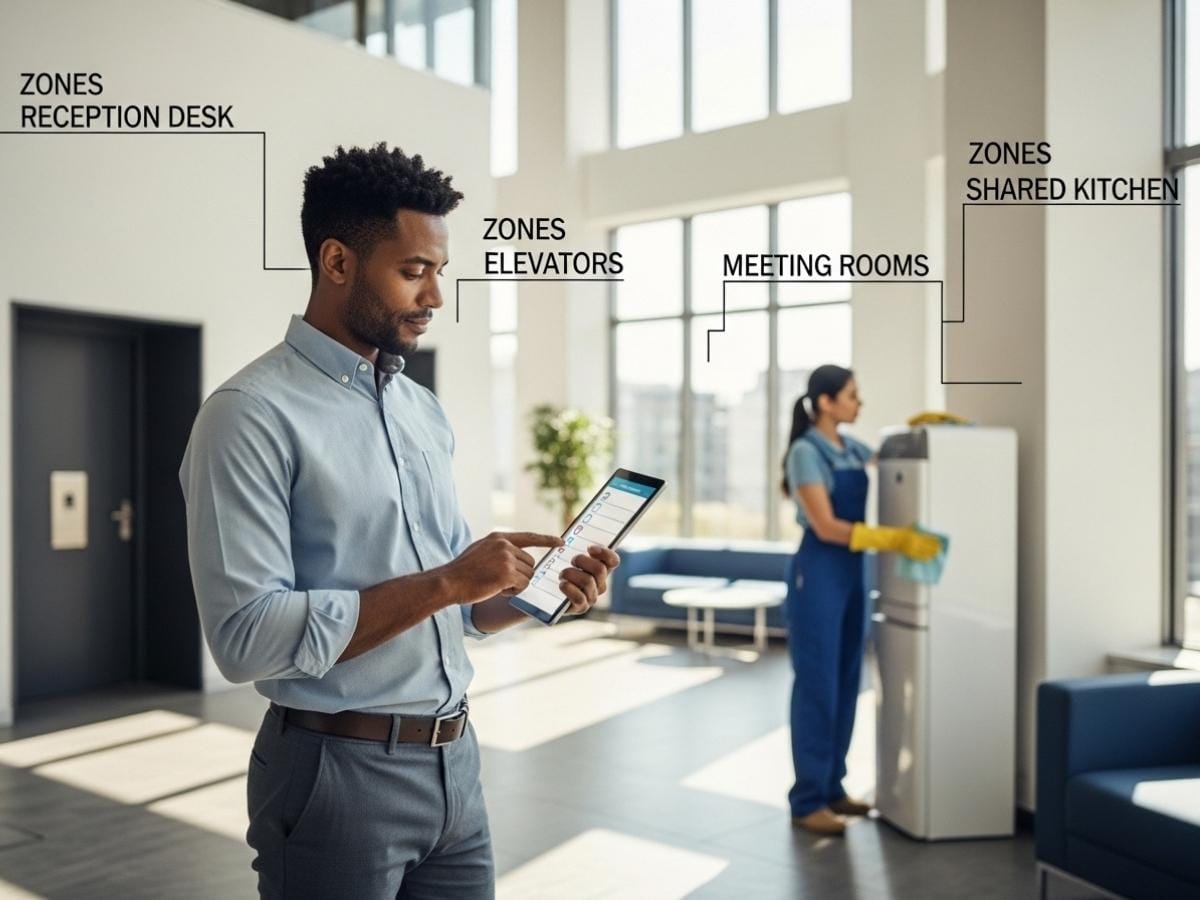
Start by documenting touchpoints by zone. Entry areas, receptions, kitchens, bathrooms, meeting rooms, lifts, and shared amenities all require separate assessment. Detail the specific surfaces in each area instead of relying on generic language.
Frequency should match actual use. A quiet boardroom doesn’t need the same schedule as a busy breakout space. For broader guidance, reviewing how often offices should be professionally cleaned can help frame decisions.
Adjust during higher-risk periods such as flu season. Increase high-touch surface cleaning temporarily where needed rather than maintaining peak frequency year-round.
Hold a practical discussion with the cleaning provider about expectations. Clarify who is responsible for what. Confirm how tasks are recorded. Align office hygiene standards with real building activity.
For businesses in Adelaide and Sydney, we recommend a straightforward assessment. We review current touchpoint cleaning in offices, identify gaps or overservicing, and provide clear next steps. If it’s time to reassess, contact us through our Enquiry Page. We’ll provide practical advice and a clear scope that fits the building.
Frequently Asked Questions
Touchpoint cleaning in offices focuses on disinfecting high-contact surfaces that multiple people use daily. This typically includes door handles, lift buttons, light switches, shared desks, kitchen appliances, bathroom fixtures, and reception counters. Unlike general cleaning, it targets areas most likely to transfer bacteria and viruses, helping reduce cross-contamination in shared work environments.
The ideal frequency depends on foot traffic, shared amenities, and compliance requirements. High-traffic or hot-desking offices may require daily or multiple daily sanitising of high-touch surfaces, while low-density workplaces may need less frequent service. A risk-based cleaning schedule aligned with actual occupancy helps maintain hygiene without overservicing.
Yes, touchpoint cleaning remains necessary as a baseline infection control measure. Although emergency-level disinfection is no longer standard, shared workplaces still involve frequent surface contact. Maintaining structured high-touch surface cleaning supports employee confidence, reduces illness transmission risk, and aligns with modern commercial cleaning standards.
General office cleaning focuses on appearance and maintenance tasks such as vacuuming, mopping, bin removal, and dusting. Touchpoint cleaning specifically targets disinfecting frequently handled surfaces to reduce the spread of germs. Both services are important, but touchpoint cleaning directly supports workplace hygiene and infection prevention.
Reducing touchpoint cleaning can increase health and reputational risk if high-contact areas are neglected. Shared kitchens, lifts, and bathrooms can quickly show visible hygiene decline, leading to staff complaints or higher absenteeism. A balanced approach that reviews traffic levels and compliance obligations helps manage costs without compromising office hygiene standards.