
Is Eco-Friendly Commercial Cleaning Worth It?
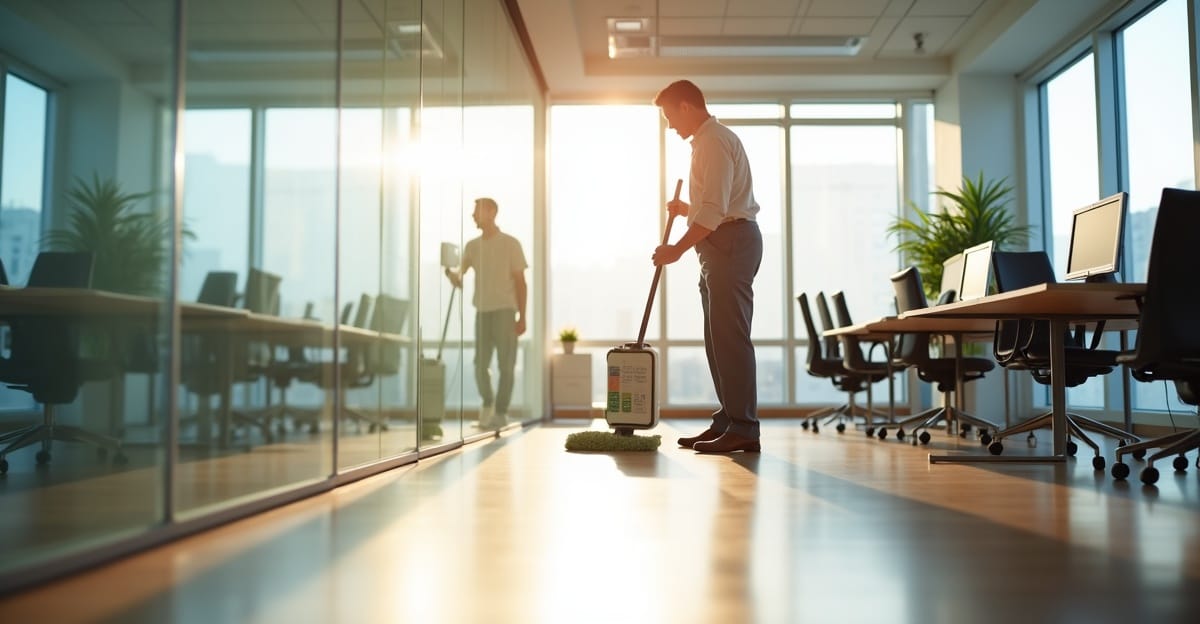
Eco-friendly office cleaning delivers measurable results in air quality, compliance alignment, asset protection, and risk reduction. We base decisions on data rather than marketing language. When we measure performance against workplace health standards, audit requirements, and long-term operating costs, eco-friendly commercial cleaning becomes a strategic investment instead of a basic price comparison.
Key Takeaways
- Eco-friendly cleaning requires low-VOC products, accurate chemical dosing, documented procedures, and compliance alignment—not vague “chemical-free” claims. We define standards clearly and verify them with product data and Safety Data Sheets.
- Performance relies on process, staff training, and active supervision; properly selected green products meet the same hygiene benchmarks as conventional systems when teams apply them correctly.
- Reduced chemical exposure improves indoor air quality, lowers occupant complaints, strengthens safe handling practices, and supports duty-of-care obligations. We see fewer irritation reports and better environmental readings when we control inputs.
- Long-term value shows up in reduced surface wear, lower incident rates, stronger audit trails, and brand consistency. We protect finishes, extend asset life, and reduce avoidable risk.
- Choosing the right provider requires clear product specifications, accessible Safety Data Sheets, defined quality control protocols, and site-specific service plans. We recommend detailed scopes of work and documented inspection routines for every property.
What You’re Really Paying For: Health, Compliance, and Long-Term Value
Eco-friendly commercial cleaning is often framed as a feel-good upgrade. In practice, it’s a risk and performance decision.
We look at eco-friendly office cleaning benefits through three lenses: operational outcomes, workplace health and safety cleaning, and long-term cost control. The real comparison isn’t “green vs traditional.” It’s controlled risk vs avoidable exposure.
Sustainable office cleaning services and conventional methods both aim for hygiene. The difference shows up in how they manage air quality, chemical exposure, compliance documentation, and asset protection. Short-term pricing may look similar or slightly higher for green programs. Long-term value often appears in fewer complaints, reduced chemical handling risks, and better alignment with safety policies.
For commercial cleaning Adelaide and commercial cleaning Sydney clients, key factors go beyond visible cleanliness:
- Staff wellbeing and comfort
- Shared air quality in multi-tenant spaces
- Regulatory alignment and audit readiness
- Brand reputation with clients and employees
The core question is simple: Does green commercial cleaning deliver measurable outcomes, or is it just marketing?
In our experience, value is rarely tied to the hourly rate alone. It’s connected to reduced surface damage, improved indoor air quality, safer storage practices, and stronger compliance alignment. That’s where the conversation should sit.
What “Eco-Friendly” Actually Means in a Commercial Setting
In a commercial environment, “eco-friendly” must mean more than a label. It has to translate into clear standards and documented procedures.
It should include:
- Low-toxicity, commercially approved cleaning products
- Reduced VOCs to support improved indoor air quality office cleaning outcomes
- Safe chemical handling and storage protocols
- Controlled dosing systems to reduce waste
- Alignment with Safe Work Australia guidance on managing hazardous chemicals where relevant
Eco-friendly does not mean using household substitutes in a commercial building. Offices, medical centres, and strata complexes require environmentally friendly cleaning products that meet professional hygiene benchmarks.
Non-toxic commercial cleaning approaches aim to reduce chemical exposure for staff, visitors, and cleaning teams. This includes limiting airborne irritants and surface residues, especially in enclosed spaces with shared ventilation.
Greenwashing is a real issue. Claims such as “chemical-free” or “100% non-toxic” often ignore the need for documented Safety Data Sheets, certification standards, and traceable supply chains. A credible provider should clearly identify what products are used, why they’re selected, and how they’re managed on-site.
When structured properly, eco-friendly cleaning is a compliance-driven system, not a branding exercise.
Does Green Commercial Cleaning Perform as Well as Traditional Methods?
Performance is a fair concern. Cleanliness and infection control cannot be compromised.
Well-selected commercial-grade environmentally friendly cleaning products meet the same hygiene benchmarks as traditional chemicals when applied correctly. Dwell time, surface coverage, dilution control, and staff training play a greater role than whether a product label says “green.”
For disinfecting protocols, effectiveness depends on specification and process accuracy. As outlined in our article on disinfection responsibilities, results rely on following correct procedures, not simply spraying and wiping.
Medical Facilities
Healthcare environments must meet strict standards. With properly approved products and documented processes, sustainable systems can align with medical healthcare facility cleaning requirements without compromising safety.
Strata Buildings
Shared amenities, lifts, and corridors require consistent high-touch surface management. Green-labelled products still require structured high-frequency schedules and supervision.
Corporate Offices
Workstations, meeting rooms, and shared kitchens benefit from reduced residue and lower odours while maintaining professional-grade hygiene under structured corporate workplace cleaning programs.
Process always outweighs product branding. Training, supervision, and quality control determine whether any system meets expectations.
The Impact on Staff Health, Shared Air, and Workplace Risk
Reduced VOCs play a central role in indoor air quality, as explained by public health guidance on VOCs and indoor air. In multi-tenant offices and strata buildings, shared air circulation means cleaning chemicals do not remain confined to a single room.
Lower airborne irritants and reduced chemical residue can help minimise complaints such as headaches, skin irritation, or respiratory discomfort. This directly links to how commercial cleaners protect office health through structured programs and safer product selection.
In medical centres and corporate settings, reducing unnecessary chemical exposure supports duty-of-care responsibilities. Practical impacts include:
- Fewer reported air-quality concerns
- Reduced risk of accidental chemical mishandling
- Stronger documentation for compliance audits
- Lower likelihood of surface damage from harsh agents
Targeted programs such as high-touch surface cleaning can be delivered using environmentally preferable products without reducing frequency or compliance. A well-structured green program lowers exposure points while maintaining hygiene standards.
Cost: Short-Term Pricing vs Long-Term Operational Value
Cost is often the first objection. In some cases, eco-friendly programs may carry slightly higher upfront pricing depending on product selection and supply chains.
The more relevant question is long-term operational value.
Total cost of ownership includes:
- Surface durability and reduced chemical wear
- Safer storage and lower incident risk
- Fewer odour complaints or productivity disruptions
- Better alignment with sustainability commitments
Harsh chemicals can accelerate wear on carpets, vinyl, and fixtures, consistent with manufacturer maintenance guidance on cleaner compatibility. Over time, this drives replacement costs. Lower-toxicity systems often reduce that strain.
Risk exposure also has financial implications. Chemical-related incidents can affect insurance claims and audits. Safer dosing systems and documented procedures help manage this exposure.
For a balanced perspective, we explore this in our article on whether green cleaning is more expensive. Eco-friendly commercial cleaning is not automatically cheaper. It can deliver measurable operational stability and brand value.
Reputation also plays a role. Sustainability commitments influence tenant expectations and employee engagement. As discussed in how cleanliness impacts client impressions, visible standards reflect organisational priorities.
For many properties, eco-friendly cleaning is a strategic alignment decision rather than a budget shortcut.
What to Ask Before Choosing an Eco-Friendly Cleaning Provider
Clear questions prevent vague promises.
Request that providers define eco-friendly office cleaning benefits in measurable terms. What improves? Air quality? Chemical storage safety? Audit documentation?
Key details to request include:
- The specific environmentally friendly cleaning products used and their VOC levels
- Safety Data Sheets supporting non-toxic commercial cleaning claims
- Procedures for safe handling, storage, and waste reduction
- Experience managing strata cleaning services and medical centre cleaning standards
- Methods for monitoring cleaning effectiveness and quality control
Local knowledge matters. Commercial cleaning in Adelaide and Sydney involves different building profiles, tenant expectations, and compliance requirements. Multi-site coordination capability is essential for national clients.
Scope definition is equally important. A provider offering commercial cleaning services should clearly outline what is included. Our breakdown of what commercial cleaning covers explains how scope clarity prevents responsibility gaps.
The final step is strategic. Sustainable office cleaning services should align with your operational goals, risk profile, and tenant expectations. If further clarity is required, request a property-specific review and documented plan before signing.
Frequently Asked Questions
Eco-friendly office cleaning benefits include improved indoor air quality, reduced chemical exposure, and safer workplaces for employees and visitors. Low-VOC products and controlled dosing systems minimise airborne irritants and surface residues. Over time, businesses may also experience fewer health complaints, better compliance documentation, and less damage to office surfaces, which helps protect assets and supports long-term operational stability.
Yes, eco-friendly office cleaning can improve indoor air quality by reducing volatile organic compounds (VOCs) released from traditional chemicals. Low-VOC cleaning products produce fewer airborne irritants, which helps limit odours and respiratory discomfort in shared indoor environments. In offices with shared ventilation systems, this can lead to fewer employee complaints and healthier working conditions.
Eco-friendly commercial cleaning can be just as effective as traditional cleaning when correct procedures are followed. Cleaning performance depends on factors such as dwell time, proper dilution, surface coverage, and staff training. Many environmentally friendly commercial cleaning products are designed to meet professional hygiene standards while reducing harmful chemical exposure.
Eco-friendly cleaning reduces workplace health risks by limiting exposure to harsh chemicals and airborne irritants. Using low-toxicity products and controlled dosing systems lowers the chances of skin irritation, respiratory issues, and accidental chemical mishandling. These practices also support workplace safety policies and provide better documentation for health and safety audits.
Eco-friendly office cleaning is not always significantly more expensive, but costs may vary depending on product quality and service processes. While upfront pricing can sometimes be slightly higher, long-term value often appears through reduced surface wear, fewer health complaints, and improved compliance practices. Many organisations view it as a risk-management and sustainability investment rather than just a cleaning expense.