
How to Schedule Cleaning With Minimal Disruption
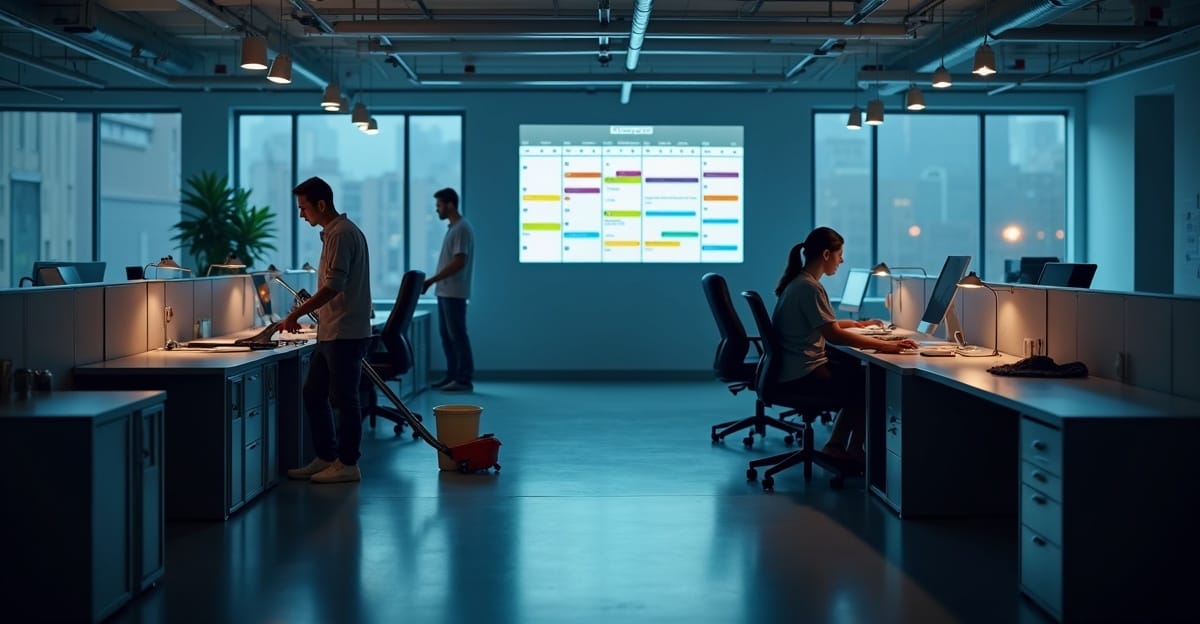
Low-disruption office cleaning goes beyond silence—it depends on syncing cleaning routines with the actual daily flow of the space. Smart scheduling keeps offices clean while allowing work to continue without distraction. Whether we’re handling after-hours service, rotating zones, or using quiet equipment in sensitive areas, timing drives our success.
Key Takeaways
- Cleaning at the wrong time can lower productivity, as research on workplace interruptions and productivity published by Harvard Business Review explains, frustrate tenants, and lead to non-compliance.
- After-hours service, adaptive shifts, and rotating zones reduce interference with regular activity.
- Quiet equipment and refined techniques matter in sound-sensitive locations like offices and medical centers.
- Adjusting cleaning times to fit different property types—corporate, strata, or healthcare—ensures smooth operations.
- Open communication, shared scheduling tools, and clear points of contact make cleaning coordination more efficient.
Why Minimizing Cleaning Disruption Matters for Your Workplace
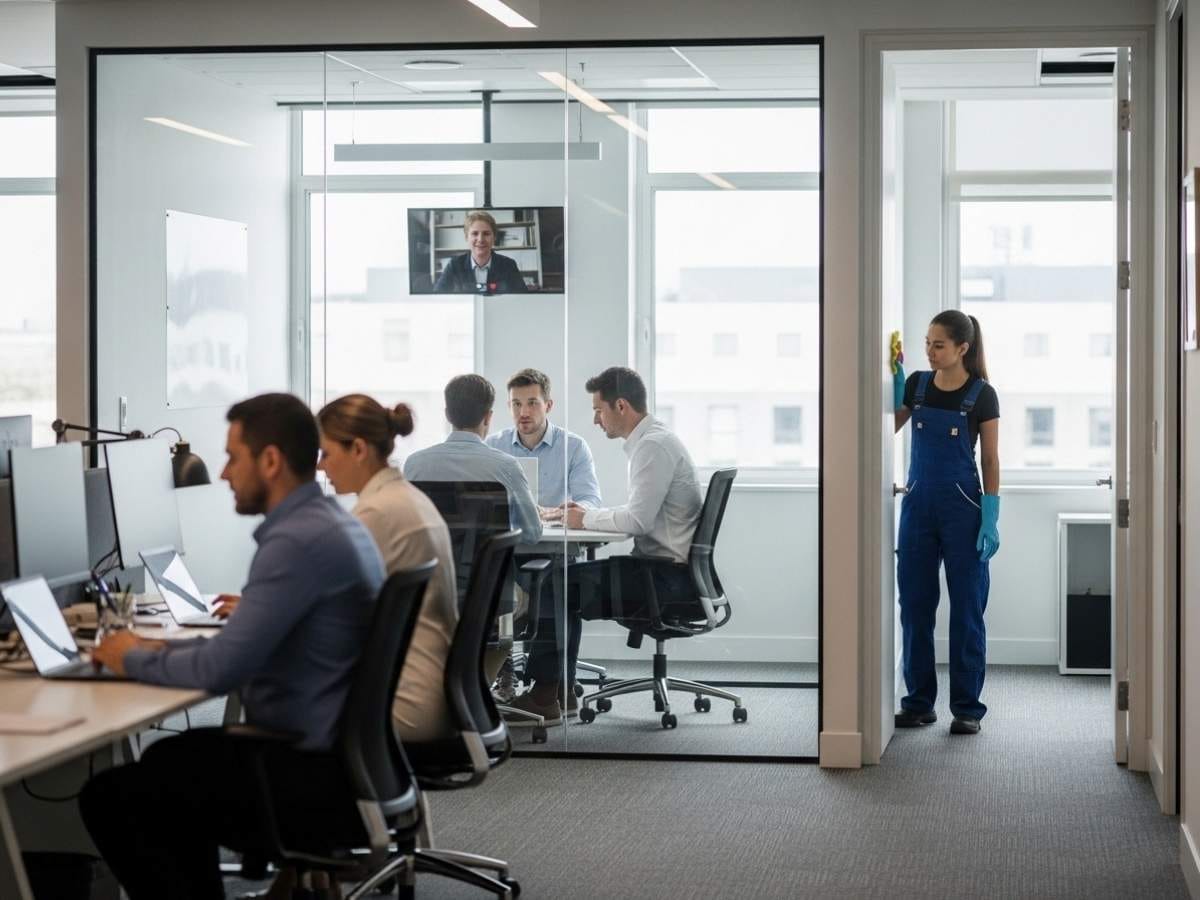
Cleaning matters, but so does uninterrupted business. Disruption from cleaning staff moving through meeting rooms, creating noise, or accessing sensitive areas can quietly chip away at productivity, tenant satisfaction, and even compliance standards.
If a vacuum runs during a staff Zoom call, that’s disruption. If disinfection gets skipped in a medical suite because the staff were still seeing patients, that’s not just bad timing—it’s a compliance issue under Australian healthcare infection prevention and control guidelines published by the Department of Health.
Poorly timed or rigid cleaning plans come with real risks:
- Tenant complaints because halls and shared spaces weren’t cleaned at expected times.
- Privacy breaches in clinics where cleaners entered during consultations.
- Missed areas due to cleaners being unable to access secured sections.
What we aim for isn’t just spotless floors—it’s cleaning with minimal interruption, keeping things healthy and in order without slowing anyone down. That’s the core of low-disruption office cleaning: reliable hygiene without stepping on workflows.
Smart Strategies to Reduce Cleaning Impact
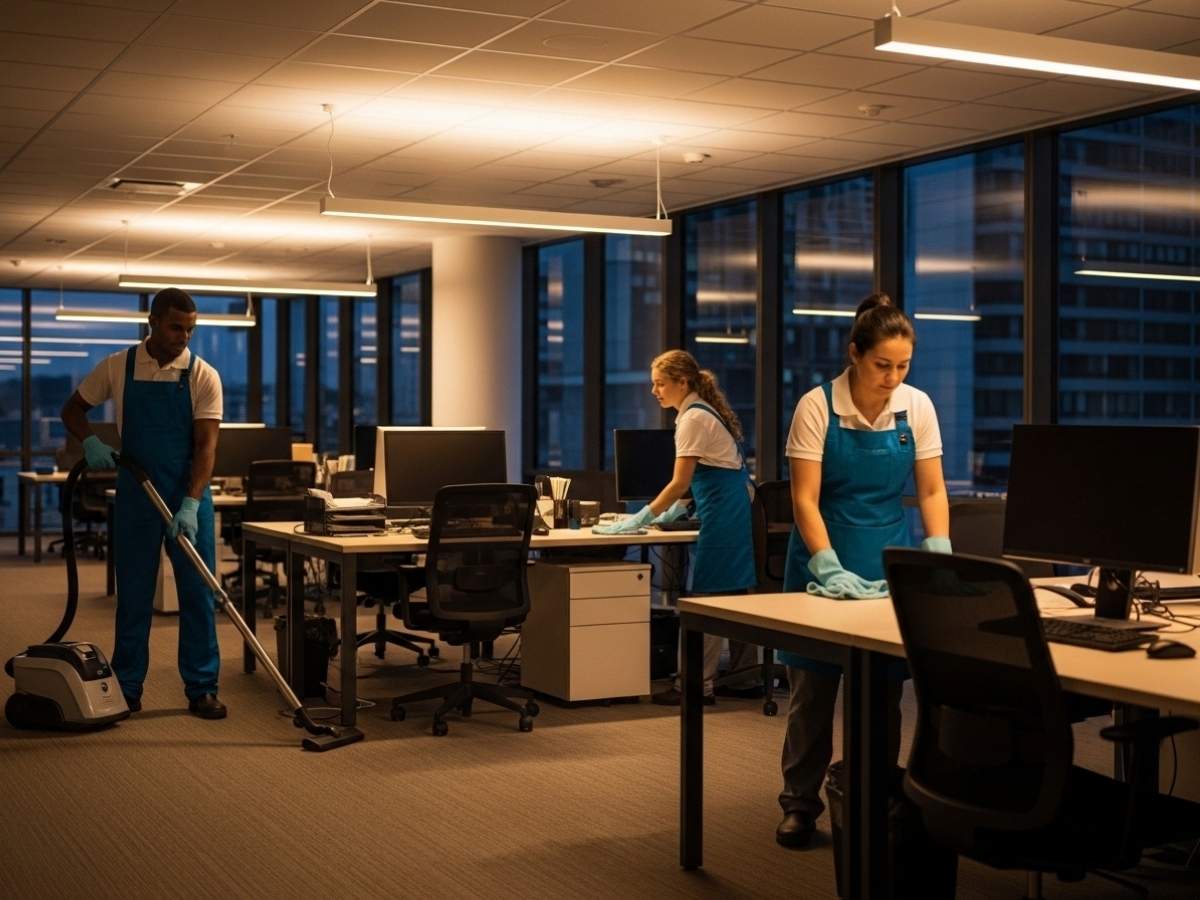
There’s no single answer, but a mix of real-world strategies keeps cleaning efficient and out of the way. We use a field-tested approach to integrate these smart options without interrupting your team’s routines or scheduled access.
Core Methods We Use in Commercial Cleaning Scheduling
Each method is grounded in one goal: professional cleaning with minimal downtime.
- After-hours cleaning: Perfect for corporate offices or medical facilities where peak hours are packed. We arrive when staff leave.
- Flexible cleaning schedules: Built around your hours, not ours. Shift start times, weekly rotations, or one-off needs—our teams adjust.
- Zone cleaning and rotation: Best for sites like multi-tenant complexes or large facilities. We clean in cycles, not all at once, minimising footprint.
- Silent tools and techniques: For noise-sensitive spots—coworking hubs, boardrooms, therapy practices—we use low-decibel vacuums aligned with Safe Work Australia’s workplace noise exposure guidelines and manual alternatives during operational hours.
For example, in shared coworking spaces, we’ve used silent vacuums and switched to microfiber dusting during peak usage times. People kept working. Spaces stayed clean.
To use commercial cleaning scheduling properly, timing needs to sync with your building’s pulse. Whether that’s the quiet after 6 PM or staggered cleaning across different floors, we combine structure and flexibility without guesswork.
Tailored Scheduling by Property Type: Offices, Strata, Medical Centres
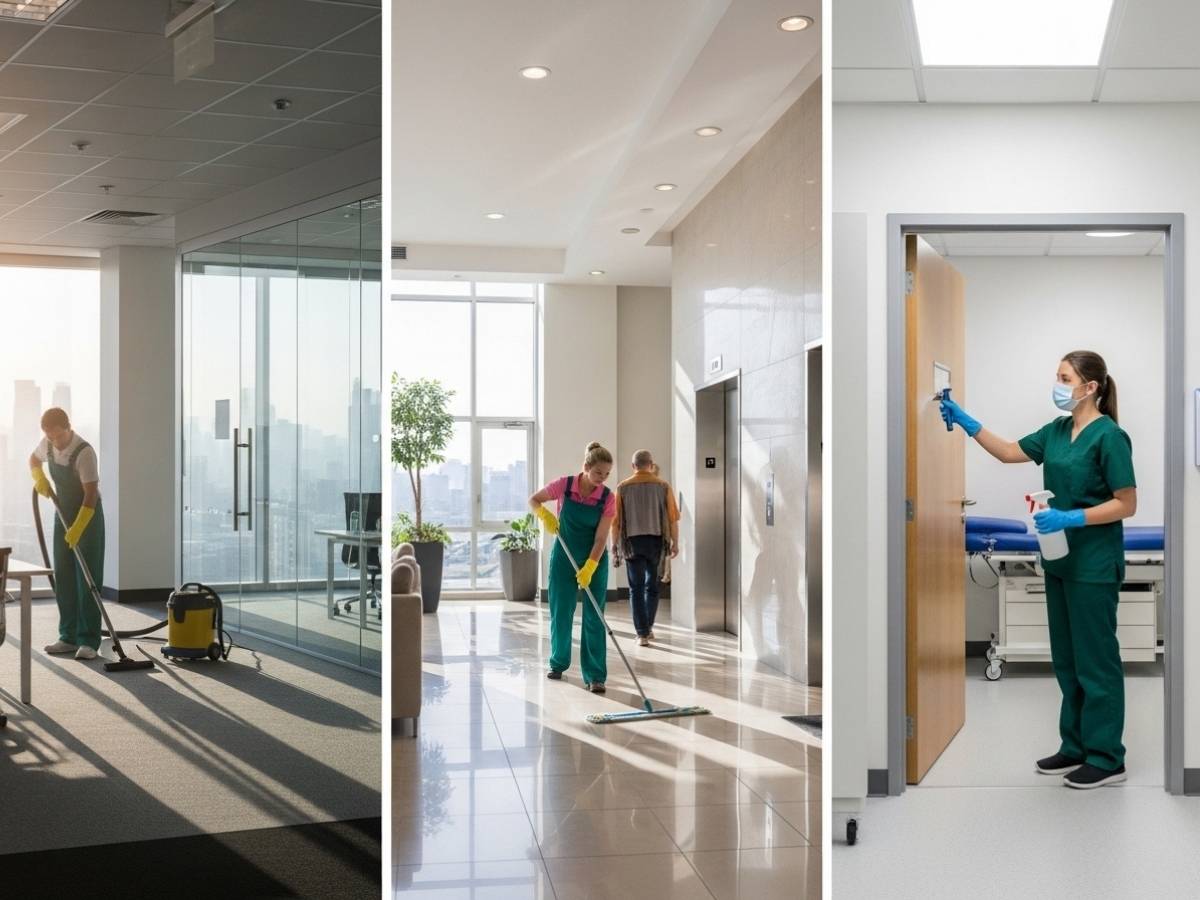
Every site operates differently. One-size-fits-all doesn’t work. That’s why we customise timing and routines based on how each property functions.
Common Challenges by Property Type
Let’s break it down by property so you can see how cleaning with minimal interruption actually works:
- Corporate Offices: These spaces demand low-noise, non-invasive cleaning around meetings and workstations. Corporate office cleaning in Sydney often means strong after-hours routines, or quiet morning work before team arrivals. Shared kitchens and client-facing spaces need attention without overlapping critical hours.
- Strata Buildings: Shared lifts, lobbies, and facilities mean timing matters. With tenants coming and going, we adjust for high-traffic windows and coordinate with strata managers for rotations. Our approach to cleaning for strata buildings includes detailed logs and day-based zone cleaning that prevents hallway congestion and resident disruption.
- Medical Centres: Compliance is non-negotiable. We work around patient appointments and strict sanitation intervals to meet medical facility cleaning compliance under healthcare cleaning regulations such as AS/NZS 4187 sterilization standards for health care facilities published by Standards Australia. We coordinate room-by-room access and prioritise privacy and sterilisation.
Knowing which areas spike in traffic and when (like Monday mornings in office foyers or late afternoons in medical waiting rooms) helps us match precision with predictability. We also manage security zones carefully—making sure cleaners aren’t left waiting at locked doors or interrupting controlled environments.
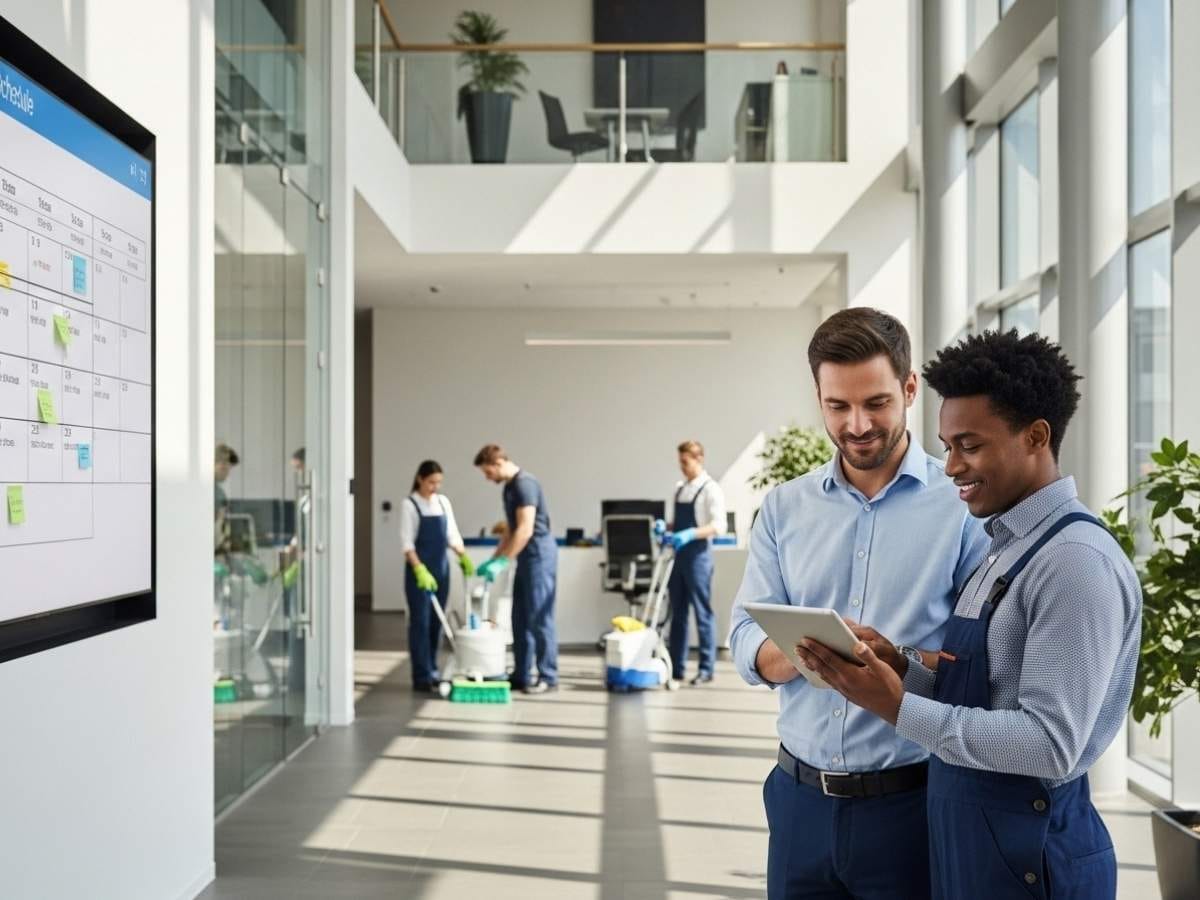
Clear Scheduling Starts with Clear Communication
Disruptions often trace back to poor communication, not bad cleaning. When everyone knows what’s happening and when, things just run smoother.
Best Practices for Cleaning Coordination
To avoid scheduling confusion or last-minute stress, we focus on:
- Appointing a clear contact person who understands your needs and can authorize adjustments.
- Regular check-ins with property managers for feedback, updates, and alignment.
- Shared calendars to track scheduled cleans and milestones.
- Advance notice for one-off requests—say, extra disinfecting before a board meeting or shifting schedules during office renovations.
Our team handles cleaning coordination for multi-tenant facilities by syncing operations across tenants with varying expectations. Whether it’s a commercial tower in Adelaide’s CBD as outlined by the City of Adelaide business district authority or a creative studio in Sydney’s Inner West, we flex around schedules while staying consistent.
Clear communication reduces surprises. It makes every clean part of the day—not a disruption to it.

Planning Tools to Make Scheduling Easier
To streamline complex sites or simplify single-office setups, we often build cleaning coordination plans alongside our clients. These plans spell out what works for each specific property.
What a Sample Coordination Plan Might Include
Here’s what we map out to keep cleaning reliable and non-disruptive:
- Access windows for each section of the building
- Times to avoid—like front desk busy periods or lift congestion
- List of quiet zones needing silent procedures
- Communication protocol (who to speak with and how)
- Any compliance or regulatory requirements tied to your industry
Clear expectations leave less room for error. Property managers know what’s coming, and our teams enter well-prepared. With these toolkits, we make flexible cleaning schedules standard—not an add-on.
Instead of fussing about when something was missed or waiting hours for secure access, cleaning becomes a seamless layer in your daily operations.
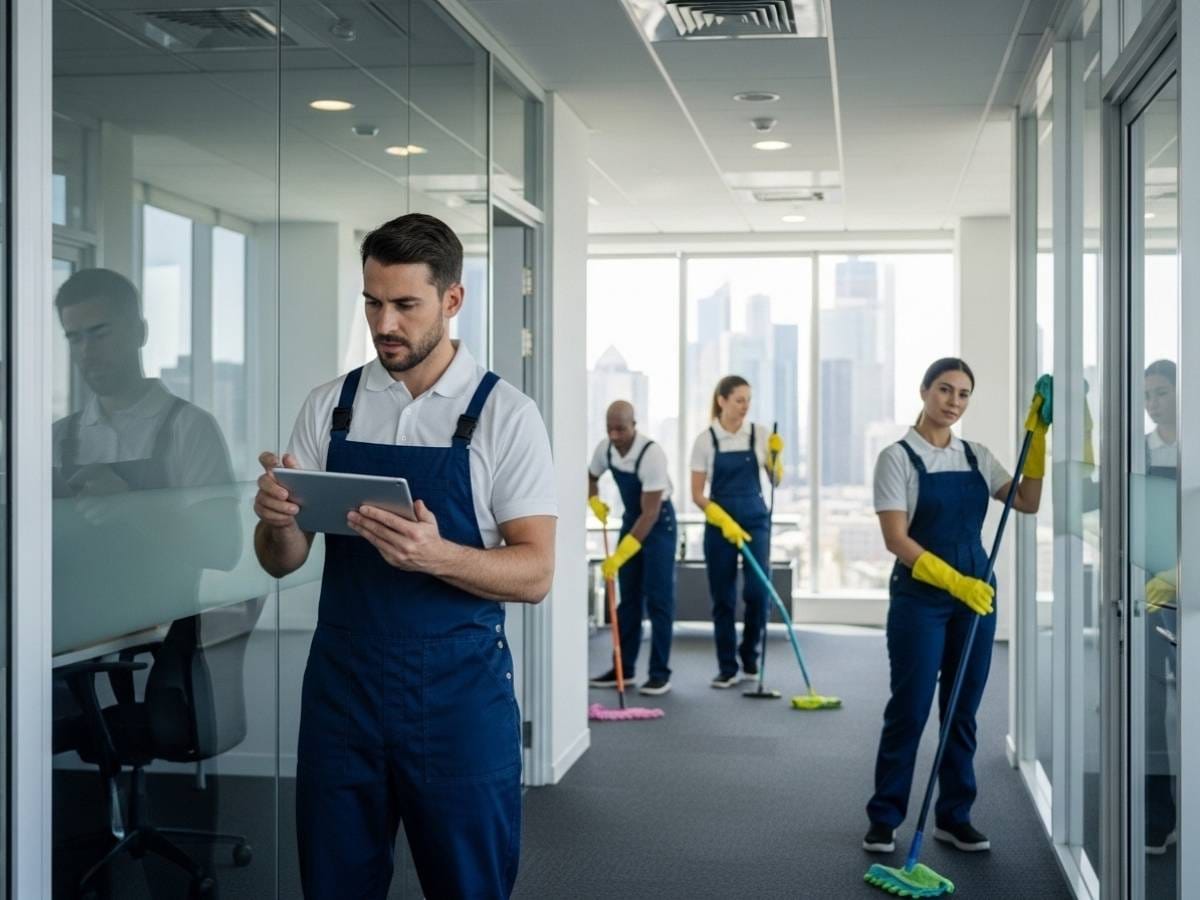
How SJV Cleaning Streamlines Scheduling in Adelaide and Sydney
In both Adelaide and Sydney, we handle complex cleaning schedules daily. From corporate office cleaning in Sydney’s CBD to healthcare suites in Norwood, we’ve worked inside tight windows, coordinated across split shifts, and delivered consistency without clashes.
Each region poses different scheduling challenges. In Adelaide’s commercial property areas, early morning cleaning may need to wrap before local businesses open shopfronts. In Sydney, high-rise strata towers need rotational zone cleaning without flooding shared spaces with cleaners during peak lift use.
We don’t just plug in a template—we adapt on-site, drawing from years of practical know-how.
Our operations team adjusts faster because we’ve seen what works. Whether it’s managing commercial property cleaning in Adelaide or implementing corporate office cleaning in Sydney, we use experience—not guesswork—to align with how your building functions. No rigid schedules. No careless overlaps.
Want to explore how to simplify your cleaning schedule? Let’s talk. We’ll help you find a straight path to clearing up the clutter—without disrupting what matters most.
Frequently Asked Questions
Low-disruption office cleaning is a scheduling and methods approach that keeps workplaces clean without interrupting daily operations. It works by aligning cleaning tasks with low-traffic times, using quiet equipment, and cleaning in zones rather than all at once. The goal is to maintain hygiene standards while allowing staff, tenants, or clients to work without noise, delays, or privacy issues.
The best time to schedule office cleaning is outside peak activity hours, such as evenings, early mornings, or during known downtime periods. For busy offices, after-hours cleaning is often most effective. In shared or flexible workplaces, staggered or rotating schedules can reduce interference by cleaning specific areas when they are least in use.
Yes, cleaning can be done during business hours if it is carefully planned. This usually involves zone-based cleaning, quiet tools, and non-intrusive techniques like microfiber dusting instead of loud equipment. By avoiding meetings, call-heavy periods, and high-traffic zones, cleaners can maintain standards without disrupting employees or visitors.
Cleaning schedules are adapted by analysing how each workplace operates. Corporate offices often need after-hours or early-morning cleaning, strata buildings require rotation around shared spaces, and medical centres need strict timing around patient appointments. Understanding traffic patterns, access restrictions, and compliance requirements ensures cleaning fits the environment rather than interrupting it.
Clear communication prevents missed access, unexpected interruptions, and incomplete cleaning. When there is a designated contact, shared schedules, and advance notice of changes, cleaners can plan efficiently. This coordination allows adjustments for meetings, events, or special requirements, making cleaning predictable, compliant, and seamlessly integrated into daily operations.