
How to Ensure Your Cleaners Show Up On Time
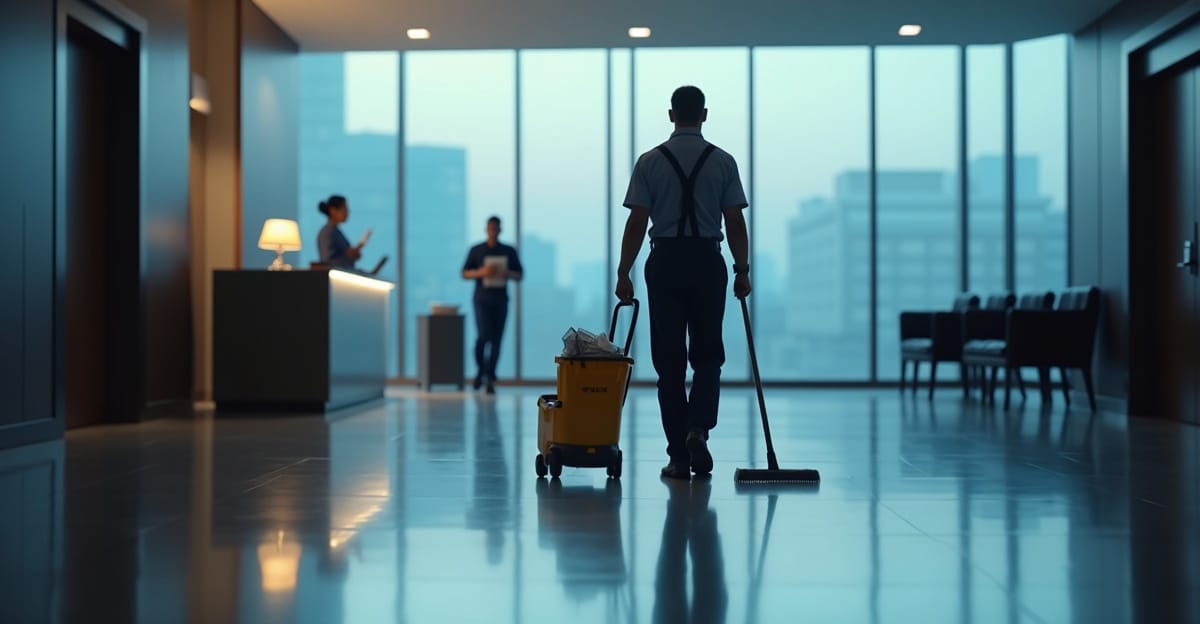
Cleaning staff punctuality directly affects office opening times, medical compliance schedules, strata operations, and overall facility reliability. We ensure our cleaners arrive on time through structured scheduling, clear accountability, digital attendance tracking, and defined contingency plans written into our service agreement.
Key Takeaways
- Cleaning staff punctuality impacts operations, compliance, security, and tenant or patient experience.
- Most lateness issues stem from weak scheduling systems, poor supervision, and lack of attendance tracking.
- Reliable providers use digital rostering, GPS or time-stamped check-ins, and active supervisor oversight.
- Backup staffing and documented contingency plans prevent disruptions when absences occur.
- We set clear arrival windows, require live attendance tracking, and review punctuality data regularly to maintain accountability.
Why Cleaning Staff Punctuality Matters More Than You Think
Cleaning staff punctuality affects far more than a start time on a roster. It directly impacts operations, security, compliance, and the daily experience inside a building.
Late arrivals can delay office opening hours and disrupt morning workflows. Employees walk into kitchens that aren’t reset or meeting rooms that haven’t been prepared. In shared buildings, one delay quickly turns into multiple complaints. Office cleaning consistency depends on reliable start and finish times, especially where multiple tenants rely on common areas being ready each day.
Medical sites face even greater pressure. Medical cleaning compliance relies on strict infection control processes delivered at specific intervals. If cleaning is pushed back, consultation rooms may not be cleared on schedule. That gap can compromise documentation and regulatory standards tied to medical cleaning compliance.
Strata environments feel the impact as well. Strata cleaning reliability shapes how residents view the building. Overflowing bins or unclean lifts during peak morning traffic lead to committee scrutiny and reputational damage. Reliable service timing supports smoother building operations and reduces avoidable escalations.
Across Adelaide and Sydney, commercial property decision-makers value stability. Consistent arrival times support smoother daily operations and reduce management stress. In our experience, strong facility cleaning reliability starts with predictable attendance. Without that foundation, every other quality measure becomes harder to maintain.
The Real Reasons Cleaners Don’t Show Up on Time
Punctuality issues rarely come down to a single cleaner. Most delays trace back to systems and leadership.
Many providers still rely on weak commercial cleaning scheduling systems. Manual rosters, last-minute changes, and unrealistic shift allocations create confusion, especially when they conflict with Fair Work Ombudsman guidance on rostering and shift arrangements. When travel time isn’t factored properly, lateness becomes inevitable.
Cleaning staff supervision also plays a central role. If supervisors aren’t actively monitoring attendance or conducting site checks, small inconsistencies grow. Without oversight, patterns go unnoticed.
Cleaner attendance tracking is another common gap. Some companies rely on paper sign-ins or simple trust. Without time-stamped check-ins, there’s no accurate record of arrival times. That limits cleaning company accountability and weakens service recovery.
Overloaded routes cause constant strain. Assigning one cleaner too many sites without realistic travel time sets them up to fail. Traffic, access delays, and lift wait times compound the problem.
Contracts often lack contingency planning. If a cleaner calls in sick, is there a backup ready? If not, sites wait. Without backup staffing written into commercial cleaning contracts, reliability becomes optional rather than guaranteed.
Strong performance starts with structure. With clear scheduling systems, defined supervision, and transparent cleaner attendance tracking, cleaning staff punctuality becomes predictable instead of reactive.
What Reliable Commercial Cleaners Do Differently
Reliable commercial cleaners build attendance into their systems from day one.
Structured digital rostering allows managers to allocate realistic travel time and manageable workloads. Effective commercial cleaning scheduling systems reduce overlap and last-minute calls.
Many providers now use GPS check-ins or time-stamped attendance platforms. Cleaner attendance tracking in real time confirms staff arrival and allows quick action if someone is delayed. That transparency supports office cleaning consistency across single or multi-site operations.
Active supervisor oversight strengthens results. Regular inspections, direct communication with cleaners, and documented follow-ups prevent small issues from turning into recurring delays.
Backup teams also matter. Float cleaners trained across multiple sites provide cover during illness, leave, or emergencies. Without that bench strength, even minor absences disrupt service.
Documented contingency plans complete the structure. Clear escalation protocols mean property managers are informed early. No one should discover a missed shift the next morning.
For a deeper look at how structured providers operate, we recommend reviewing what makes a good commercial cleaner in practical, operational terms.
How to Assess Your Current Cleaning Provider’s Accountability
Facility cleaning reliability should be measurable. Punctuality isn’t a preference. It’s a performance metric.
When reviewing an existing provider, focus on clear, direct questions under one key area:
Accountability and Tracking
Ask for specifics rather than general assurances. Consider the following:
- How is attendance verified? Is cleaner attendance tracking digital and time-stamped?
- Who contacts management if a cleaner is running late, and within what timeframe?
- Do commercial cleaning contracts outline backup staffing and service recovery steps?
- How often does a supervisor physically inspect the site?
- Are documented cleaning reports provided, or only verbal updates?
- Are arrival times consistent across weeks and months?
Consistent answers indicate structured cleaning company accountability. Vague responses suggest gaps.
Many property managers overlook punctuality while focusing on visible cleaning outcomes. However, repeated delays are often early warning signs. In fact, chronic attendance issues are one of the clear signs it’s time to switch commercial cleaners if improvement discussions don’t translate into action.
Strong providers welcome scrutiny. Transparent reporting strengthens partnerships and protects long-term service standards.
Special Considerations for Medical and Strata Environments
Timing carries even greater weight in regulated and shared spaces.
Medical facilities operate under strict infection control schedules. Delays affect room turnover, sanitation documentation, and regulatory obligations tied to medical cleaning compliance. After-hours medical cleaning must align precisely with appointment schedules and clinical procedures.
Strata properties depend on predictable service windows. Shared entryways, lifts, and waste areas must be cleaned before peaks in resident movement. Strata cleaning reliability reduces complaints and builds trust with committees and building managers, consistent with NSW Fair Trading guidance on strata responsibilities and common property maintenance.
Security protocols add another layer. Many commercial and medical sites require timed access, alarm codes, or key management. Late attendance can result in denied entry, triggered alarms, or additional security call-outs—risks addressed in Standards Australia-aligned guidance on access control and alarm system procedures.That creates unnecessary risk and expense.
In high-compliance environments, structured scheduling and consistent cleaning staff supervision are essential. Strong oversight protects safety, compliance, and resident satisfaction all at once.
Practical Steps You Can Take to Improve Reliability Starting Now
Improving cleaning staff punctuality starts with clarity and measurable expectations.
Set defined arrival windows in the agreement. Avoid vague wording like “evening service.” Specific timeframes increase accountability.
Request digital cleaner attendance tracking with time stamps. Real-time verification eliminates guesswork and supports accurate performance reviews.
Establish written communication standards for delays. For example, require notification within 15 minutes of a missed start time. Clear rules strengthen cleaning company accountability without escalating tension.
Schedule quarterly performance reviews focused on punctuality data. Track trends across months rather than isolated incidents. Consistent measurement supports long-term office cleaning consistency.
Document recurring delays and raise them formally. Written records create transparency and encourage corrective action under existing commercial cleaning contracts.
If issues persist, consider a structured review with an experienced partner in commercial cleaning services. An external assessment often identifies scheduling or supervision gaps quickly and objectively.
Improving systems protects relationships. Reliable attendance supports facility cleaning reliability, reduces stress for property managers, and creates smoother daily operations for everyone inside the building.
Frequently Asked Questions
Cleaning staff punctuality ensures offices, medical rooms, and shared spaces are ready before daily operations begin. Late arrivals can delay opening times, disrupt workflows, and affect compliance schedules. In regulated environments, missed cleaning windows may compromise documentation and hygiene standards. Consistent arrival times support operational stability, tenant satisfaction, and overall facility reliability.
Poor cleaner punctuality is usually caused by weak scheduling systems, unrealistic workloads, and lack of supervision. Manual rosters and last-minute shift changes often create confusion. Without digital attendance tracking or time-stamped check-ins, delays go unnoticed. Overloaded routes and missing backup staff also increase the risk of repeated lateness.
Digital attendance tracking improves cleaning staff punctuality by verifying arrival times in real time. GPS or time-stamped check-ins create transparent records of when staff access a site. Managers can quickly respond to delays and identify patterns over time. This data-driven approach strengthens accountability and reduces recurring attendance issues.
A commercial cleaning contract should include defined arrival windows, digital attendance verification, and clear communication protocols for delays. It should also outline backup staffing arrangements and service recovery procedures. Written escalation steps ensure management is notified promptly if a shift is missed. Clear terms make punctuality measurable rather than optional.
Cleaning staff punctuality is measured through consistent tracking of arrival times and documented performance reviews. Reviewing attendance data quarterly helps identify trends instead of isolated incidents. Setting clear expectations for notification of delays and conducting supervisor inspections also improves reliability. Ongoing monitoring ensures punctuality becomes part of standard service performance.