
How to Ensure Medical Cleaning Meets Compliance
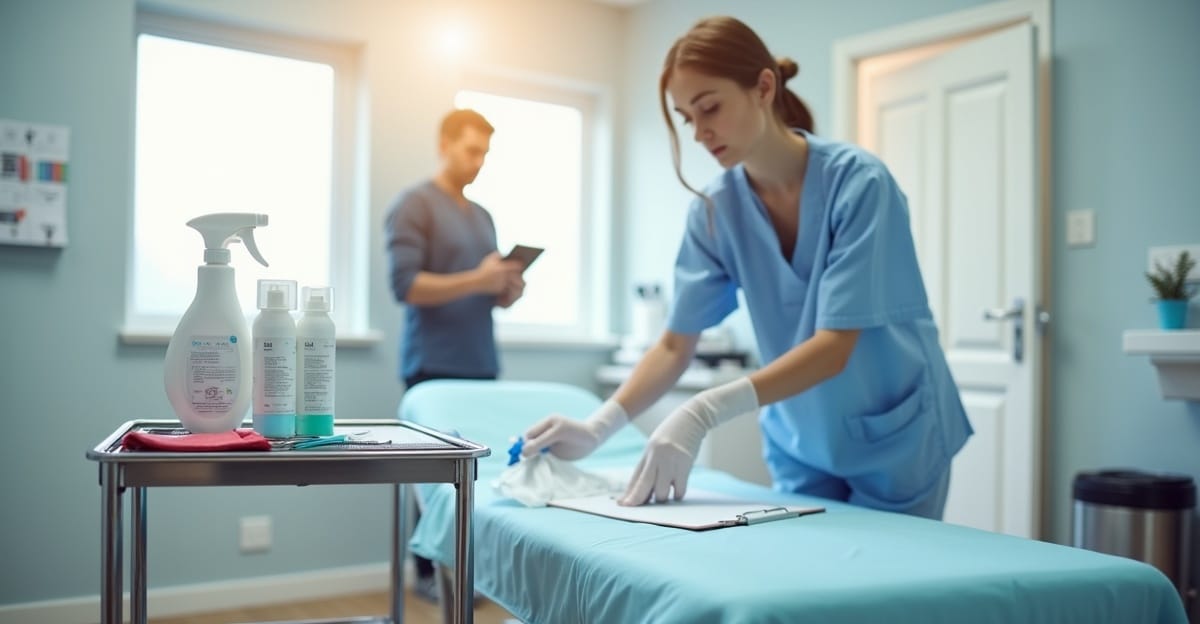
Medical cleaning compliance guide principles focus on documented schedules, verified checklists, approved disinfectants, and consistent infection control practices that meet RACGP, NSQHS, and Safe Work Australia expectations. To ensure medical cleaning meets compliance, we implement clear systems, train our staff, keep audit-ready records, and standardise processes that stand up during inspections, incidents, and everyday operations. Strong compliance protects patients, supports our team, and reduces operational risk.
Key Takeaways
- Compliance means documented cleaning schedules, signed logs, and clear separation between clinical and general areas.
- TGA-approved disinfectants must be used correctly, including following manufacturer contact times.
- Audit readiness requires supervisor checks, version-controlled procedures, and accessible training and incident records.
- Regular self-assessments help identify gaps in high-touch cleaning, documentation, and infection control processes.
- Multi-site practices need consistent reporting, standardised systems, and central oversight to reduce compliance risk.
What “Compliant” Medical Cleaning Actually Means in Day-to-Day Practice
Compliance in medical cleaning isn’t a binder on a shelf. It’s what happens on-site, every day, with clear systems and proof to back it up.
In practical terms, compliant cleaning means documented schedules, signed task checklists, defined responsibilities, and records that are ready for review at any time.
Across Australia, several frameworks shape what this looks like. According to the RACGP Standards for general practices, documented cleaning and infection control processes are required for accreditation. The National Safety and Quality Health Service (NSQHS) Standards – Preventing and Controlling Infections Standard require healthcare organisations to reduce infection risk through structured systems. Safe Work Australia’s model Work Health and Safety guidance reinforces the duty of care to provide safe environments for both staff and patients.
A strong medical cleaning compliance guide translates those frameworks into clear actions:
- Cleaning schedules documented and followed.
- Defined separation between general areas and clinical zones.
- TGA-approved disinfectants used according to manufacturer contact times.
- Colour-coded systems that prevent cross-contamination between rooms and risk areas.
- Supervisors who verify that tasks are completed correctly.
These clinical cleaning compliance requirements are operational. They’re about infection prevention cleaning protocols being applied the same way every shift, not just during accreditation year.
We see compliance as system-based and ongoing. It’s not a once-a-year healthcare facility cleaning audit. It’s a pattern of consistent behaviour supported by documentation. A structured approach to medical and healthcare facility cleaning makes that consistency possible.
The Non-Negotiables: Documentation, Training, and Audit Trails
Reliable compliance comes from process. Good intentions are not enough. If an auditor walked in tomorrow, we should be able to show exactly what was cleaned, when it was cleaned, and who completed the task.
Cleaning documentation for medical centres
Every medical centre should have clear, site-specific documentation, including:
- Daily, weekly, and periodic cleaning schedules tailored to the facility.
- Completed and signed task logs.
- Safety Data Sheets (SDS) for all chemicals, accessible on site.
- Records of any incident response or outbreak-related cleaning.
This is the baseline for medical cleaning compliance Australia. Without documentation, there is no evidence. For a deeper breakdown of required records, we recommend reviewing what paperwork you should get with cleaning.
Training is equally critical. Infection control training must be documented. Staff induction must cover site-specific risks, whether that’s a GP clinic, allied health practice, or day procedure centre. Ongoing refresher training and active supervision show that infection prevention cleaning protocols are embedded in daily operations.
Healthcare facility cleaning audit expectations
Auditors expect more than surface-level answers. They look for:
- Evidence of supervisory checks.
- Clear escalation processes if something is missed.
- Version-controlled procedures so everyone works from the same documents.
If we can’t clearly explain what happens during a cleaning audit, we’re not audit-ready.
Compliance is built through repeatable systems. Structured janitorial services with defined reporting lines and oversight create consistency that stands up under review.
A Practical Self-Assessment for Medical Centres and Facility Managers
Regular internal checks reduce surprises. A simple medical cleaning checklist can quickly highlight gaps in systems or documentation.
Start with these points:
- Are cleaning schedules tailored separately for consultation rooms, treatment rooms, and waiting areas?
- Are high-touch points such as door handles, EFTPOS machines, and reception counters clearly identified for frequent disinfection?
- Are all disinfectants TGA-approved and used according to the manufacturer’s specified contact times?
- Is there a documented after-hours access and key control process?
- Can the cleaning provider clearly explain their infection prevention cleaning protocols?
High-touch surfaces deserve special attention. If there’s uncertainty around frequency or responsibility, review whether touchpoint cleaning is still necessary and align it with current risk levels.
Red flags are usually easy to spot: no written documentation, inconsistent staffing with unfamiliar cleaners rotating through clinical areas, no evidence of infection control training, and poor communication during flu season or COVID-related concerns.
A compliant medical cleaning company should make audit preparation easier, not harder. If cleaning quality is unclear, reviewing how to measure cleaning quality can provide a structured starting point for assessment.
Clear systems reduce risk. Informal arrangements increase it.
Managing Compliance Across Multiple Sites (Adelaide and Sydney)
Multi-site medical groups face added pressure. Admin teams have limited time. Patient flow is constant. Access windows for cleaning are often tight.
Healthcare cleaning standards Adelaide and healthcare cleaning standards Sydney align with national frameworks such as NSQHS and RACGP, but local council expectations and site-specific factors still matter. Consistency across states reduces risk and simplifies audit processes.
Best practice for multi-site coordination includes:
- Centralised reporting with standardised documentation across all locations.
- Consistent colour-coding and product use at every site.
- A single point of contact for communication and issue resolution.
Fragmented providers often mean different procedures at different sites. That leads to uneven documentation and gaps in audit readiness.
We support medical groups with structured medical cleaning Adelaide and medical cleaning Sydney services that use the same systems, training standards, and reporting frameworks across locations.
Clarity and consistency reduce compliance risk for practice owners, strata managers, and healthcare administrators.
Preparing for Audits, Incidents, and Outbreaks Without Disrupting Operations
Audit readiness should feel routine. Up-to-date cleaning logs should be accessible. Training records should be easy to retrieve. Supervisor contact details should be clear and current.
During higher-risk periods, infection control cleaning requirements increase. Outbreak response processes need to be documented and activated quickly. This includes:
- Rapid response cleaning protocols.
- Clear communication between medical centre management and cleaning supervisors.
- Temporary increases in disinfecting high-touch surfaces.
Many practices still ask whether cleaners handle disinfection. If that’s unclear, review details on disinfection responsibilities and confirm capabilities in writing. Structured high-touch surface cleaning and, where required, COVID cleaning services should be clearly defined within service scopes.
Compliance protects patient safety. It protects staff wellbeing. It safeguards accreditation and reputation. Strong systems reduce stress for administrators because there’s always a clear answer backed by documentation.
Working With a Structured, Audit-Ready Cleaning Partner
A compliant medical cleaning company operates with transparency. Reporting is clear. Risk assessments are site-specific. Teams are consistent and trained, not random replacements with no context. Escalation and communication pathways are documented and active.
Important questions to ask any provider include:
- How are completed clinical cleaning tasks documented?
- What infection control training do staff complete, and how often is it refreshed?
- How do they prepare clients for a healthcare facility cleaning audit?
This medical cleaning compliance guide is designed to help review current systems and identify gaps. Medical cleaning compliance Australia requires structure, consistency, and proof.
We take a long-term, system-focused approach. We build frameworks that support compliance rather than simply promise it. If it’s time to review existing processes or arrange a compliance-focused walkthrough, the next step can be taken through our contact page.
Frequently Asked Questions
A medical cleaning compliance guide outlines the procedures, documentation, and standards required to maintain hygiene and infection control in healthcare facilities. It typically includes cleaning schedules, approved disinfectants, staff training requirements, and audit-ready records. These guides help clinics and medical centres follow regulatory frameworks such as RACGP and NSQHS standards while ensuring consistent, safe cleaning practices that reduce infection risk for patients and staff.
Compliance in medical cleaning ensures healthcare environments remain safe, hygienic, and aligned with regulatory standards. Proper documentation, approved disinfectants, and trained cleaning staff reduce the risk of healthcare-associated infections. Compliance also supports successful accreditation audits and protects facilities from legal or operational risks. By following structured infection control procedures, medical centres can demonstrate accountability and maintain consistent cleaning quality.
Medical facilities should conduct internal cleaning compliance checks regularly, often monthly or quarterly, depending on risk levels and facility size. Frequent self-assessments help identify gaps in documentation, disinfectant use, or high-touch surface cleaning. Regular audits also ensure cleaning staff follow infection control procedures correctly and maintain records that are ready for external accreditation reviews or inspections.
Compliant medical cleaning typically requires disinfectants approved by the Therapeutic Goods Administration (TGA) for healthcare use. These products must be applied according to manufacturer instructions, including correct dilution and contact time. Using approved disinfectants ensures effectiveness against bacteria, viruses, and other pathogens while meeting infection prevention standards required in medical centres and healthcare facilities.
Medical cleaning compliance requires clear records that verify cleaning activities and infection control procedures. Typical documentation includes cleaning schedules, completed task checklists, staff training records, Safety Data Sheets for chemicals, and incident or outbreak cleaning reports. Maintaining organised, accessible records helps facilities demonstrate compliance during audits and ensures cleaning standards are consistently followed.