
How Often Should Strata Areas Be Cleaned?
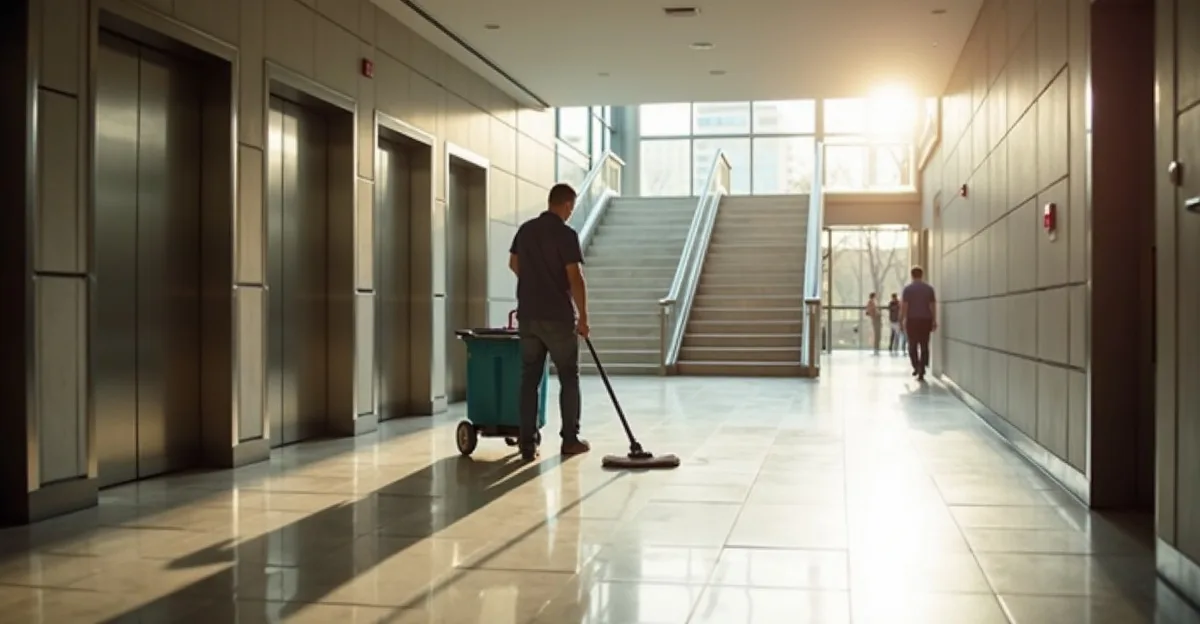
Strata cleaning frequency depends on how we use the building, the volume of foot traffic, and the hygiene risks across common areas such as lobbies, lifts, stairwells, bathrooms, and car parks. We set the right schedule by balancing presentation standards, compliance duties, and waste levels. That approach keeps cleaning preventative instead of reactive.
We assess each property on its own patterns of use. A small residential block won’t need the same frequency as a mixed-use tower with retail traffic. Clear planning saves money and protects asset value over time.
Key Takeaways
- High-traffic areas like lobbies and lifts often require daily cleaning, while lower-traffic residential sites may operate effectively on 1–3 services per week.
We usually schedule daily service for entries and lifts in busy buildings. These zones shape first impressions and collect the most dirt. Smaller apartment blocks with limited movement can function well with one to three visits weekly. - Stairwells, hallways, and shared amenities typically need weekly to multiple weekly services, depending on building type and usage.
We adjust frequency based on density and occupancy. Walk-up buildings with heavy use need closer attention. Gyms, pools, and shared lounges demand tighter rotation to maintain hygiene and safety. - Bin rooms, shared bathrooms, and high-touch surfaces demand more frequent attention to manage odours, hygiene, and compliance risks.
We treat these as priority zones. Waste areas require steady servicing to control smells and pests. Bathrooms and touchpoints such as door handles, rails, and lift buttons need consistent disinfection to reduce health risks. - Building type—residential, commercial, or mixed-use—directly impacts cleaning frequency, with commercial and healthcare-adjacent sites requiring higher standards.
We apply stricter schedules in commercial and medical-adjacent properties. Higher visitor numbers increase expectations and compliance pressure. Mixed-use sites need layered schedules that reflect different traffic patterns throughout the day. - Signs your schedule is too light include recurring complaints, visible build-up, odours, and increased reactive call-outs, all of which signal the need for review.
We treat repeated complaints as early warnings. Dirt accumulation, lingering smells, and emergency cleans show gaps in the plan. Regular reviews help us adjust service levels before small issues become expensive problems.
What “Good” Looks Like: Practical Benchmarks for Strata Cleaning Frequency
Clear benchmarks make it easier to set the right common area cleaning frequency. In Adelaide and Sydney, we base our recommendations on real-world commercial standards, building usage, and presentation expectations.
Below are practical guidelines we use when setting a lobby cleaning schedule or reviewing stairwell cleaning frequency across strata sites.
Lobbies and Entryways
Entry points shape first impressions. They also collect the most dirt.
- Daily cleaning in high-traffic commercial buildings
- 3–5 times per week in medium-traffic sites
- 1–3 times per week in low-traffic residential buildings
A proper service should include glass spot-cleaning, mopping of entry floors, dusting of ledges, and bin emptying. In premium buildings, this often forms part of structured commercial cleaning for strata buildings with presentation checks built in.
Lifts, Stairwells, Amenities and Car Parks
Lifts are high-touch areas. In commercial and mixed-use buildings, buttons, panels, and walls require daily wipe-downs. Low-rise residential sites can usually operate on 3–5 services per week, depending on traffic.
Stairwells and hallways are typically serviced weekly. In busy commercial properties or buildings near education or medical facilities, increase to 2–3 times per week. Dirt builds up quickly on stair edges and corners, and once it sets in, cleaning becomes reactive rather than preventative.
Shared bathrooms in commercial or mixed-use properties require daily servicing at a minimum. High-traffic sites often need multiple services per day. This keeps odours under control and aligns with hygiene expectations.
Bin rooms should be cleaned at least 1–2 times per week. Increase frequency where food tenancies or high-density residential create higher waste volumes. Odour control is a key measure of whether the schedule is right.
Car park cleaning in strata buildings is often overlooked. For most standard sites, a monthly machine sweep works well. Large commercial complexes may need fortnightly sweeping. Schedule pressure washing quarterly or as required, especially for oil stains and entry ramps. Our pressure washing service is commonly built into these quarterly plans.
Shared amenities such as gyms, meeting rooms, and end-of-trip facilities usually require 3–5 services per week in active buildings. Premium-grade assets often move to daily cleaning to maintain standard.
These benchmarks provide structure. They aren’t generic rules. The real answer to how often strata should be cleaned depends on building type and risk level.
How Building Type and Risk Level Change the Schedule
Residential, commercial, and mixed-use buildings operate at different standards. The strata cleaning schedule should reflect that.
Commercial office buildings carry higher expectations around presentation. Lobbies, lifts, and shared bathrooms usually need daily attention. Tenants expect consistency. If an asset competes for leases, appearance directly affects property value and tenant retention according to commercial property asset management guidance.
Residential strata typically runs at moderate frequency. Weekly stairwell cleaning and several visits per week to lobbies can work well in smaller, low-density sites. That changes fast in high-rise towers or buildings with short-term letting, where turnover increases wear.
Mixed-use properties require closer planning. Retail tenancies increase foot traffic. Medical or healthcare-adjacent spaces raise hygiene expectations. In these environments, medical or mixed-use building cleaning frequency often sits closer to commercial levels than residential.
Buildings with food tenancies need stronger bin room management. Waste builds quickly, and odours travel. Cleaning frequency must match waste volume, not hope for the best.
We also categorise buildings by foot traffic: high, medium, and low. That distinction should guide how often strata should be cleaned. A quiet suburban block isn’t comparable to a CBD commercial tower.
Strata cleaning compliance requirements can also influence frequency, particularly where Work Health and Safety duties require safe maintenance of shared areas. Property managers should review local expectations and ensure cleaning supports compliance rather than reacting after issues arise.
Understanding what strata cleaning involves helps clarify why these schedules differ from general office contracts. The mix of residents, visitors, service providers, and contractors creates a unique risk profile.
What Impacts Your Strata Cleaning Schedule Day to Day
Foot traffic is the biggest driver of strata cleaning frequency. Every extra person through the lobby increases debris, marks on glass, and wear on floors.
Building size and layout matter just as much. Multiple entrances, numerous lift banks, and several levels extend cleaning time. Large sites often need structured planning similar to multi-level building cleaning strategies to stay efficient.
Tenant expectations influence frequency as well. A-grade commercial assets typically require daily attention to key areas. B-grade sites may operate effectively with reduced frequency, provided standards remain consistent.
Compliance and hygiene rules can tighten schedules, especially in healthcare-adjacent environments. High-touch surfaces such as lift buttons, intercom panels, and door handles may require targeted high-touch surface cleaning even if the broader area follows a weekly cycle.
Seasonal factors play a role. Wet weather increases mud in lobbies and stairwells. Summer heat increases odour risks in bin rooms. Cleaning plans should adjust rather than stick rigidly to the same routine year-round.
Budget and scope also influence decisions. Frequency should align with risk level, not guesswork. Daily services in a low-traffic building can be excessive. Weekly visits in a high-use site often create long-term issues.
Property managers handling multiple portfolios across Adelaide or Sydney face coordination challenges. Different sites require different frequencies. A standard schedule applied across all buildings rarely works.
Signs Your Current Cleaning Frequency Isn’t Enough
Cleaning frequency problems usually show up before formal reviews.
Recurring complaints about presentation or hygiene indicate that service levels don’t match usage. Persistent odours in bin rooms or shared bathrooms between scheduled cleans suggest frequency is too low.
Visible build-up in lift tracks, stair edges, corners, or car park surfaces is another warning sign. Dirt doesn’t accumulate overnight. It builds when servicing intervals are too far apart.
Inconsistent presentation across different days of the week also points to gaps. If Mondays look sharp but Fridays look tired, the schedule likely needs adjustment.
An increase in reactive call-outs is a major red flag. Planned cleaning should prevent urgent requests, not create them. Frequent spot cleans mean the base frequency isn’t sufficient.
Failing internal audits or growing concern around strata cleaning compliance requirements should trigger an immediate review. It’s better to adjust early than deal with reputational or regulatory fallout later.
How to Review and Adjust a Strata Cleaning Frequency Plan
Start with a walk-through audit. Inspect all common areas at different times of day. Early morning and late afternoon often tell different stories.
Compare actual outcomes against the agreed scope. Attendance alone doesn’t guarantee results. Floors, glass, lifts, and bathrooms must reflect the frequency being paid for.
Categorise each area by risk:
- High-touch zones (lifts, intercoms, door handles)
- High-visibility zones (lobbies, entry glass)
- Hygiene-sensitive areas (bathrooms, bin rooms)
- Lower-risk zones (back corridors, plant areas)
Adjust frequency before expanding scope. For example, shift stairwell cleaning frequency from weekly to twice weekly rather than adding unnecessary tasks. Fine-tuning often delivers better results than inflating the contract.
Check whether the provider delivers structured reporting and supervision. Effective janitorial services should include clear schedules, accountability, and periodic reviews.
If a building includes shared office floors, comparing expectations against standard office cleaning services can help recalibrate presentation levels.
The goal is clarity. Everyone should understand what’s being cleaned, how often, and why.
Getting a Tailored Recommendation for Your Building
There’s no one-size-fits-all answer to how often strata should be cleaned. A realistic schedule reflects usage, compliance risk, tenancy mix, and budget.
Generic pricing rarely solves long-term issues. Site-specific assessments do. We review traffic flow, building design, waste volume, and hygiene risk before recommending frequency.
If you manage a strata property in Adelaide or Sydney and want a realistic cleaning schedule tailored to your building, we’re happy to assess your site and provide a clear, no-obligation recommendation.
Clear scope. Practical frequency. Reliable delivery. That’s how we build long-term partnerships that work.
Frequently Asked Questions
Common areas in a strata building should typically be cleaned between daily and weekly depending on foot traffic and usage. High-traffic areas like lobbies and lifts usually require daily cleaning, while stairwells and hallways may only need weekly servicing. The correct strata cleaning frequency depends on building size, resident numbers, and the level of use across shared spaces.
High-touch and high-traffic zones require the most frequent cleaning in strata buildings. These include lobbies, lift buttons, door handles, shared bathrooms, and bin rooms. Because these areas accumulate dirt quickly and pose higher hygiene risks, they are often cleaned daily or multiple times per week to maintain safety, cleanliness, and a professional appearance.
Yes, building type significantly affects strata cleaning frequency. Commercial and mixed-use properties typically require more frequent cleaning because they experience higher foot traffic and stricter presentation standards. Residential buildings with fewer occupants may operate effectively with weekly or several-times-per-week cleaning, while healthcare-adjacent or retail buildings often require daily services.
Signs of insufficient strata cleaning include visible dirt build-up, persistent odours in bin rooms or bathrooms, and frequent resident complaints. You may also notice increased reactive cleaning requests or inconsistent presentation throughout the week. These issues usually indicate that the current cleaning frequency does not match the building’s usage levels.
Property managers determine the right strata cleaning frequency by assessing foot traffic, building layout, tenant expectations, and hygiene risks. High-touch areas and visible spaces are usually prioritised for more frequent servicing. Conducting periodic site inspections and reviewing complaints or maintenance reports helps managers adjust the cleaning schedule before issues escalate.