
How Often Should Offices Be Professionally Cleaned?
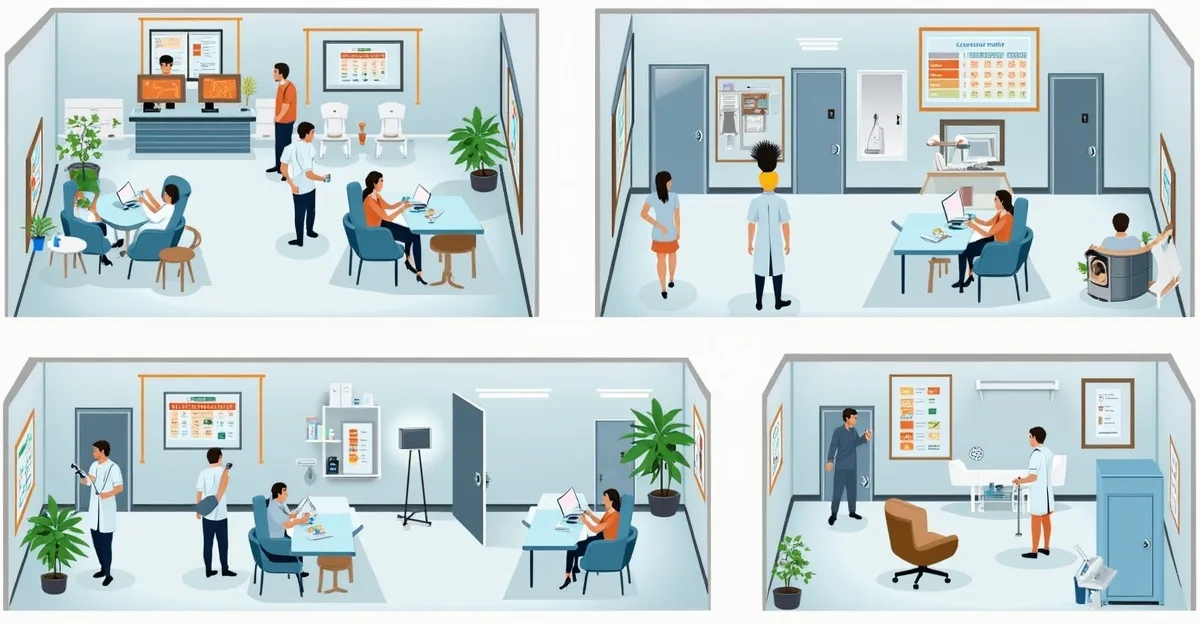
How often we clean an office professionally depends more on how the space is used than on its size. Foot traffic, shared spaces, industry demands, and regular client visits all raise the need for consistent upkeep. This office cleaning frequency guide breaks things down by space type, risk level, and daily patterns, helping us shape a schedule that fits how our workplace actually functions.
Key Takeaways
- High foot traffic, shared facilities, and public access demand more frequent cleaning.
- Daily cleaning is critical for medical centers, busy front desks, and locations with more than 25 people using the restrooms each day.
- Offices with low use and primarily private access often stay in good shape with 2–3 cleanings each week.
- In strata settings, building standards and agreements usually call for 3–5 cleanings per week.
- Skimping on cleaning fuels health hazards, sparks tenant issues, accelerates wear—and risks breaking rules in licensed sectors.
What Determines How Often an Office Needs to Be Cleaned?
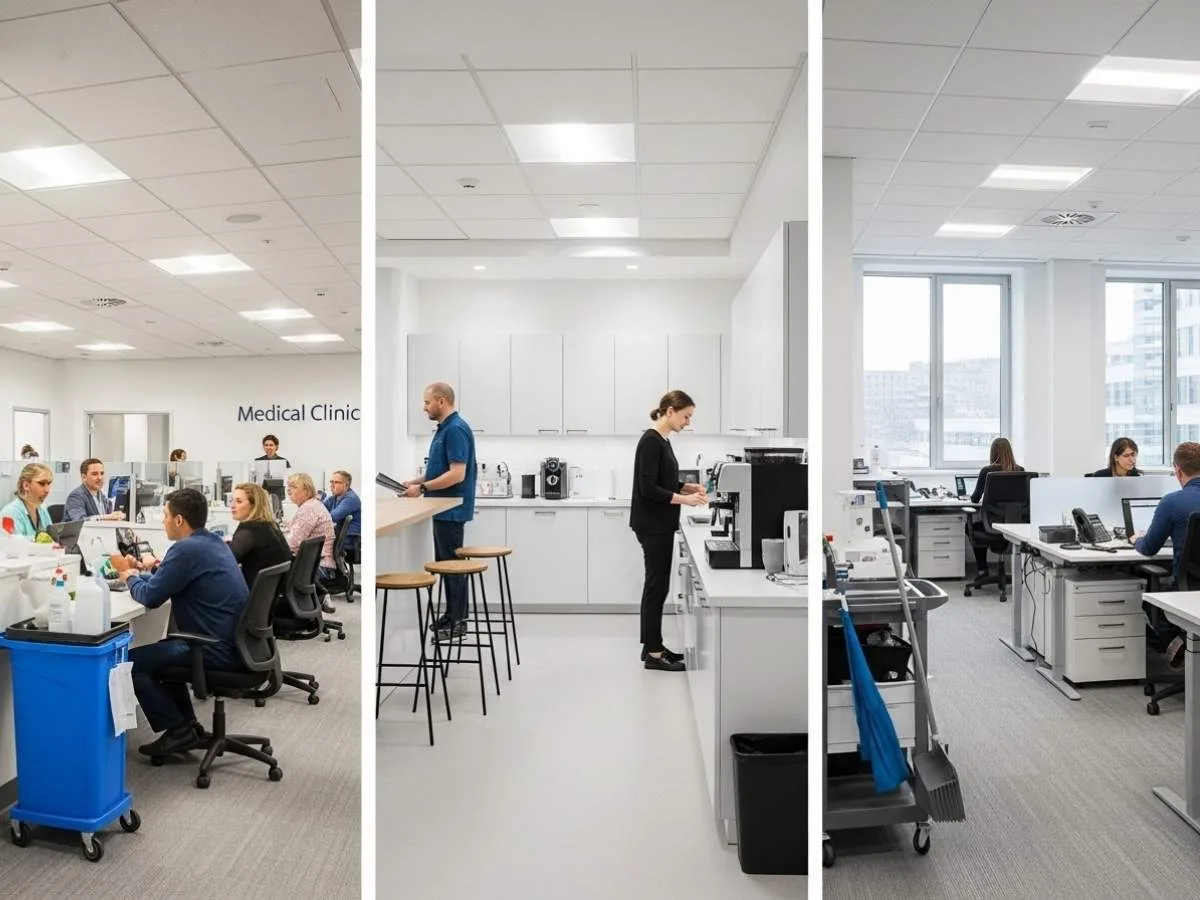
Office cleaning frequency isn’t based on square meters—it comes down to how the space is used. We look at foot traffic, number of shared spaces, the kind of work done, and whether the building is accessible to the public.
Think of it this way: a 10-person legal practice that sees few visitors needs less cleaning than a GP clinic that handles 200 walk-ins daily. A creative studio with low foot traffic and limited physical interaction will have different needs than a strata hallway shared by 50 residents, which sees daily wear from constant use.
Shared amenities like kitchens and bathrooms add to the load. These high-touch areas drive up the risk of germs and generate more complaints if left dirty. The more people use a space—and the more frequently they share it—the more often we need to clean.
Industry-specific rules also play a role. Medical offices, for instance, must follow stricter hygiene compliance, as outlined in infection prevention and control guidelines from NSW Health, compared to a marketing firm in a low-traffic building. Strata buildings may have formal obligations under body corporate agreements for cleaning frequency, as defined in NSW Fair Trading’s strata scheme maintenance responsibilities.
No two spaces are exactly alike. That’s why an effective office cleaning frequency guide starts by understanding what happens in the space each day.
Recommended Cleaning Frequencies by Workspace Type
Cleaning Frequency by Type of Space
Use this comparison to guide your professional office cleaning schedule based on your environment:
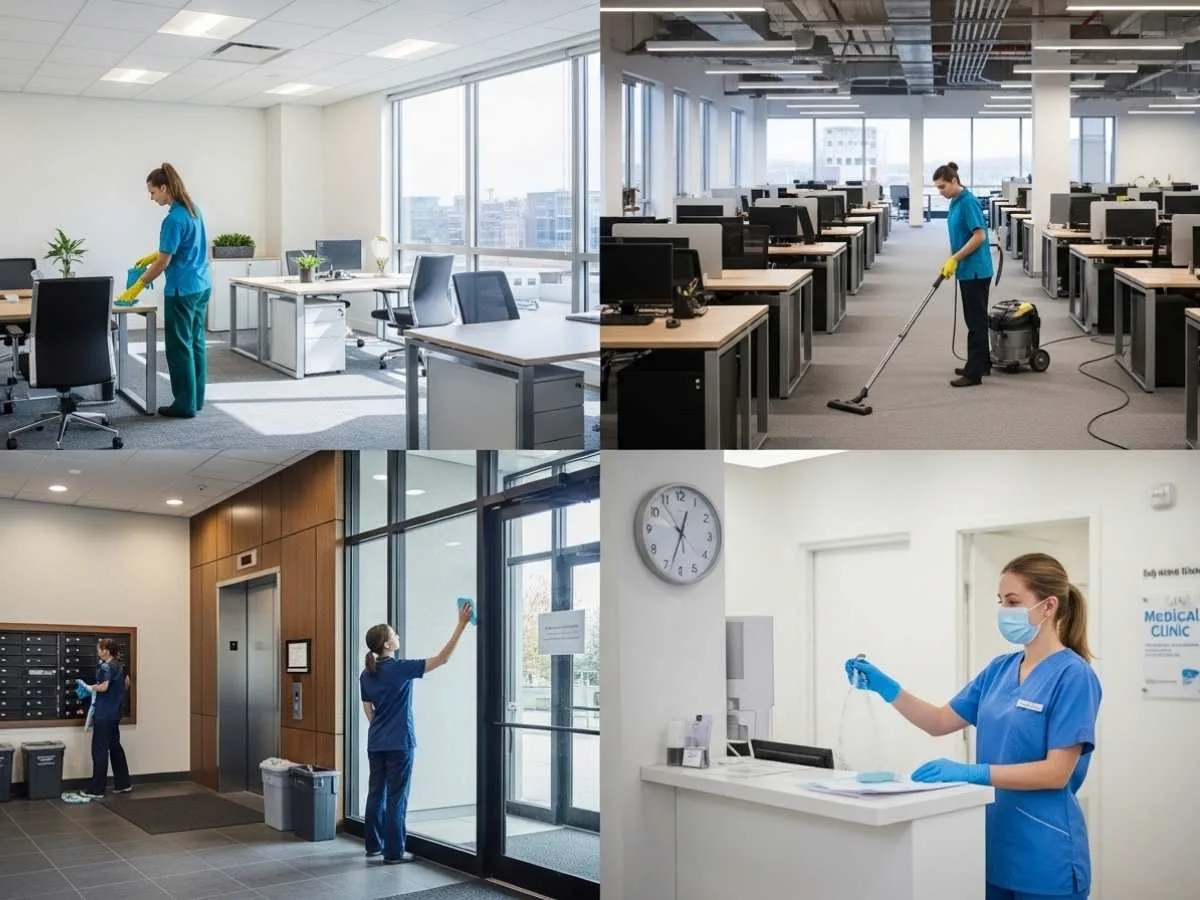
- Low-Traffic General Office (e.g. back-office admin team): 2–3 times per week
- High-Traffic Commercial Office (e.g. main CBD floor with visitor access): Daily
- Shared Strata Property (e.g. apartments with shared bins, lifts, lobby): 3–5 times per week
- Medical Facility (e.g. general practice or physio): Daily or multiple times per day, including surface disinfection
Medical buildings often follow state health regulations and hygiene cleaning standards, especially around patient areas and high-touch surfaces. Strata cleaning requirements reflect shared space usage and resident expectations—a dirty entryway or overflowing bin area leads to fast complaints.
Whether you’re managing a quiet workplace or a busy shared property, these cleaning needs by building type should shape your plan.
Daily vs. Weekly Cleaning: What’s Right for You?
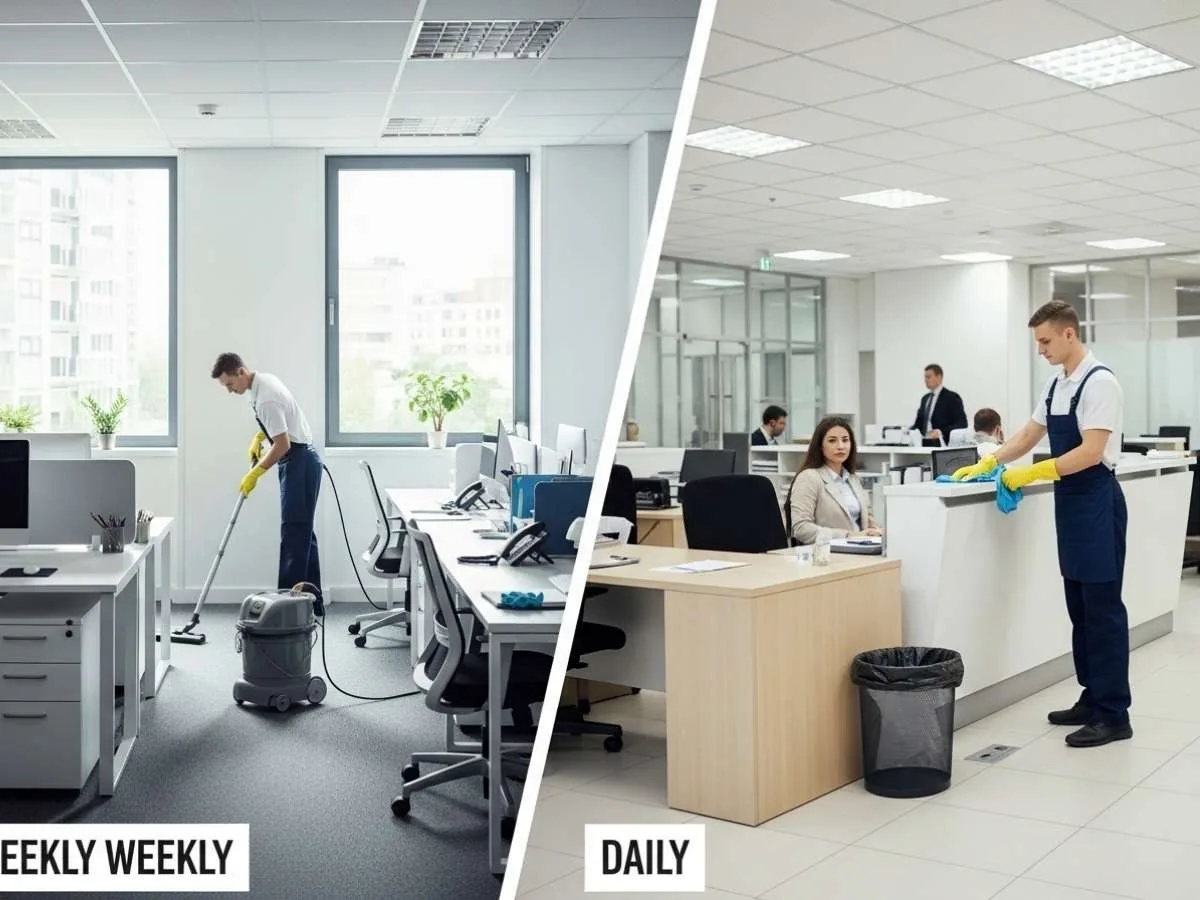
Both daily and weekly cleaning schedules have their place. The ideal plan depends on how the space is used.
When Weekly Cleaning Works
For smaller offices with predictable needs—say, a design studio with a set team and few visitors—2–3 scheduled cleans each week may be enough. These setups typically involve low-risk shared zones and employees who help keep things tidy between services.
When Daily Is Essential
Some spaces can’t skip a beat. If your restrooms serve more than 25 people daily, they need daily cleaning. If your reception sees new visitors every hour, wipe-downs and rubbish removal should happen each evening. In these cases, hygiene standards and staff wellbeing make cleaning non-negotiable.
Today’s hybrid office models add another layer. Even with fewer people in the building on any given day, expectations for visible cleanliness remain high—especially after COVID. Maintaining trust means keeping surfaces, floors, and amenities in top condition, even if desks rotate use.
Daily vs weekly office cleaning isn’t about preference—it’s about risk, presentation, and consistency.
Risks of Under-Cleaning: What Happens When You Cut Corners
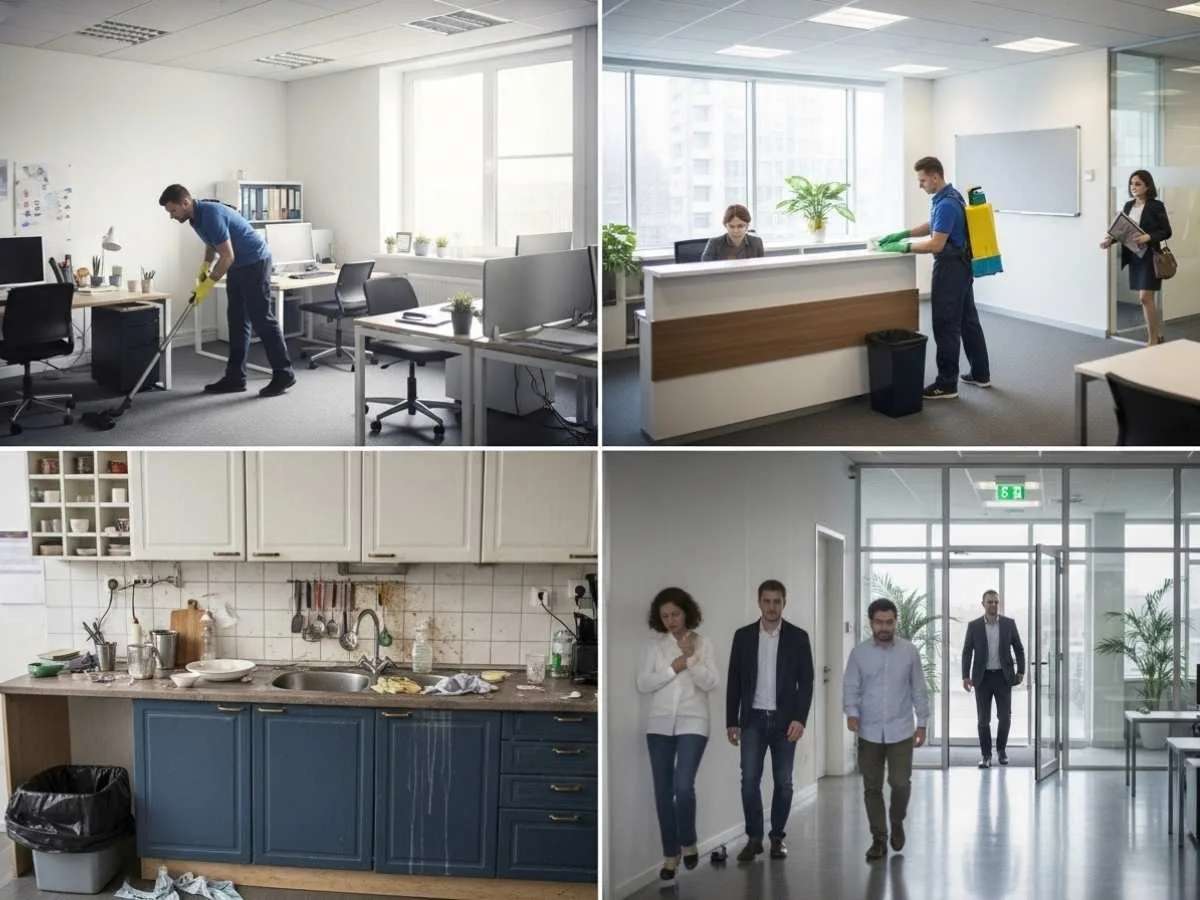
Skipping cleanings or cutting back too far doesn’t save money in the long run. It risks your staff’s health, your property’s condition, and your company’s reputation.
Shared kitchens and restrooms are common hotspots for complaints. When these spaces aren’t cleaned regularly, bacteria builds up, smells develop, and staff stop using them. Internal surveys often note cleanliness as a top concern.
Here are the major consequences office managers face when cleaning frequency slips:
- More staff sick days due to bad hygiene
- Negative first impressions for clients or tenants
- Faster wear and tear on fittings and flooring
- Breach of workplace health and safety obligations under Safe Work Australia guidelines, particularly in regulated industries
In medical offices, under-cleaning poses serious liability risks around infection control, particularly under standards set by the Australian Commission on Safety and Quality in Health Care.
In food-related facilities, violations can lead to shutdowns. Office hygiene compliance cleaning exists for a reason—it’s the minimum standard, not an extra.
We’ve seen how choosing the wrong commercial cleaning frequency can raise costs through repairs, lost productivity, and even missed business.

Building Your Own Cleaning Schedule: Practical Questions to Ask
Creating a solid cleaning schedule doesn’t take guesswork. Start with a few simple questions:
Office Cleaning Decision Checklist
Ask these before locking in frequency:
- How many people use this space on a typical day?
- Are there shared restrooms, kitchens, or common areas?
- Does the space host clients or customers?
- Are there public-facing areas like a reception?
- Do any regulations or industry codes apply to our site?
- Are we managing multiple properties that need consistent service?
By working through this list, operations teams can build or reassess a professional office cleaning schedule that fits their actual use—not just cleaning for the sake of it.
For facility managers juggling multiple sites, it helps to partner with a team that delivers consistent services across regions. We work across Sydney and Adelaide to deliver reliable, scheduled cleaning—whether it’s a corporate suite or a large strata complex.
Cleaning Needs by Industry: Offices vs. Medical vs. Strata
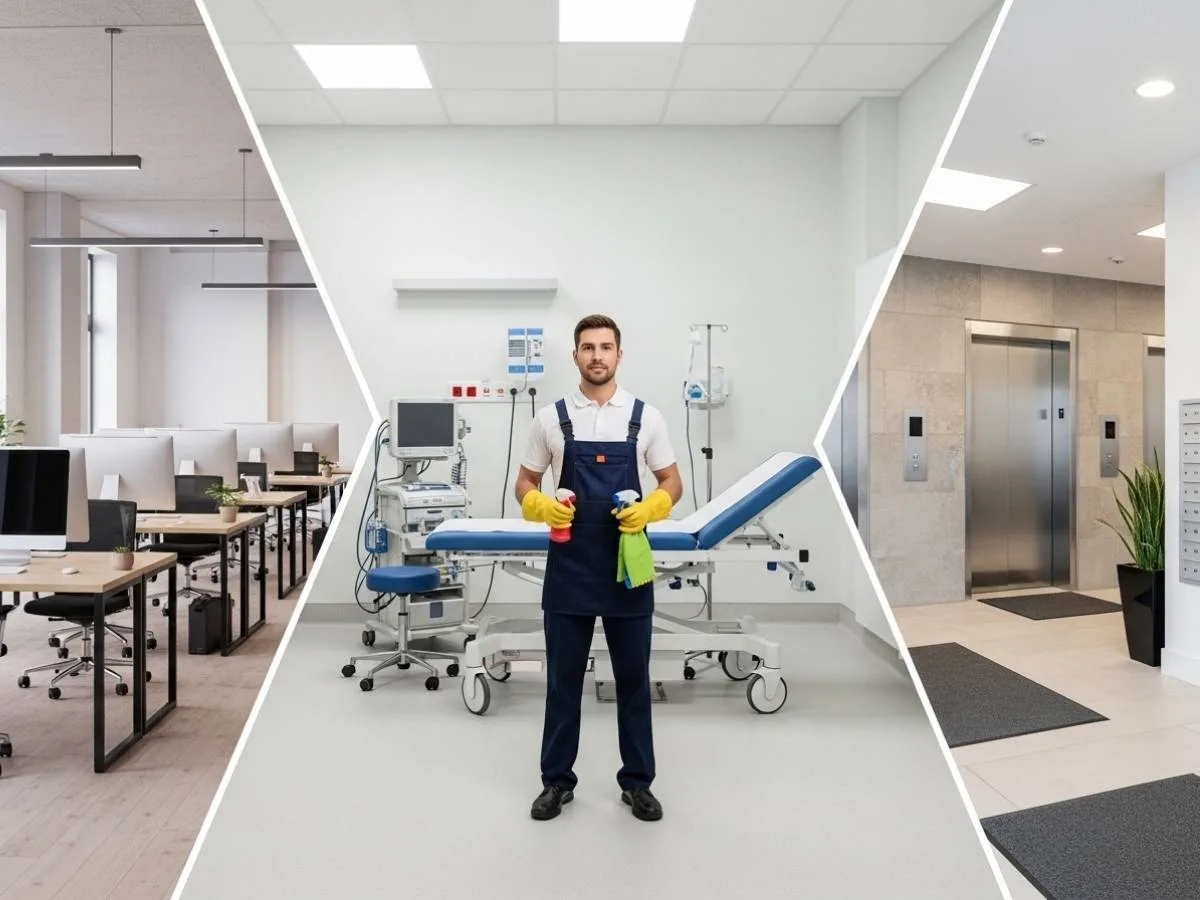
Different buildings call for different cleaning coverage. We don’t treat a strata lobby the same way we clean a treatment room. Here’s how needs change across common spaces we service:
General Offices
Cleaning depends on how many staff work there, how often visitors come through, and what shared spaces exist. Offices with kitchens, meeting rooms, and shared desks typically need at least 2–3 cleans a week, plus periodic deep cleaning.
Medical Clinics
Clinics follow strict protocols. Daily cleaning is a must. Surface disinfection, bin disposal, and hygiene compliance are part of the job. These sites can’t afford to overlook anything—it’s about protecting health with consistent, safe practices. Learn more about the deep cleaning services we apply in high-risk spaces.
Strata Buildings
These properties involve constant traffic—from lifts to lobbies to bin rooms. Residents expect clean, safe spaces, and body corporate agreements often outline minimum services. Cleaning frequency for strata buildings usually ranges between three and five times weekly, subject to amenities and population size.
No matter which category your facility fits into, the right office cleaning frequency guide should match your daily usage, layout, and legal duties. We’ve seen this across our wide client base—from office cleaning in Sydney to corporate environments in Adelaide.
When you’re ready to tighten up your schedule or fix gaps, we’re here to help design a plan that works—clean, consistent, and built around use. Let’s keep your space ready for real life.
Frequently Asked Questions
A small office typically needs professional cleaning two to three times per week. This frequency works well when there are few employees, minimal visitors, and limited shared facilities. Regular service keeps surfaces hygienic and prevents buildup, while staff can manage light tidying between visits without compromising cleanliness or workplace standards.
Daily office cleaning is necessary when there is high foot traffic, frequent visitors, or shared restrooms used by many people. These environments accumulate dirt and germs quickly, increasing health risks and complaints. Daily cleaning ensures hygiene standards are met, protects staff wellbeing, and maintains a professional appearance for clients and tenants.
Restrooms, kitchens, receptions, and other high-touch areas need the most frequent cleaning. These spaces are used by multiple people and are prone to bacteria buildup, especially on high-touch surfaces, as highlighted in CDC guidance on cleaning and disinfecting shared environments. Regular cleaning of handles, benches, floors, and bins reduces health risks, prevents odors, and avoids staff or visitor dissatisfaction.
Yes, under-cleaning can cause issues before they become obvious. Germs, allergens, and grime build up gradually, leading to higher sick leave, faster wear on floors and fittings, and hygiene complaints. In regulated industries, insufficient cleaning can also create compliance risks even if the space appears visually acceptable.
The right schedule depends on daily occupancy, shared amenities, visitor access, and industry requirements. Offices with low use may need only a few cleans per week, while public-facing or regulated spaces require daily service. Reviewing how the space is actually used leads to a schedule that balances hygiene, cost, and compliance.