
How much does commercial cleaning cost per hour in Australia?
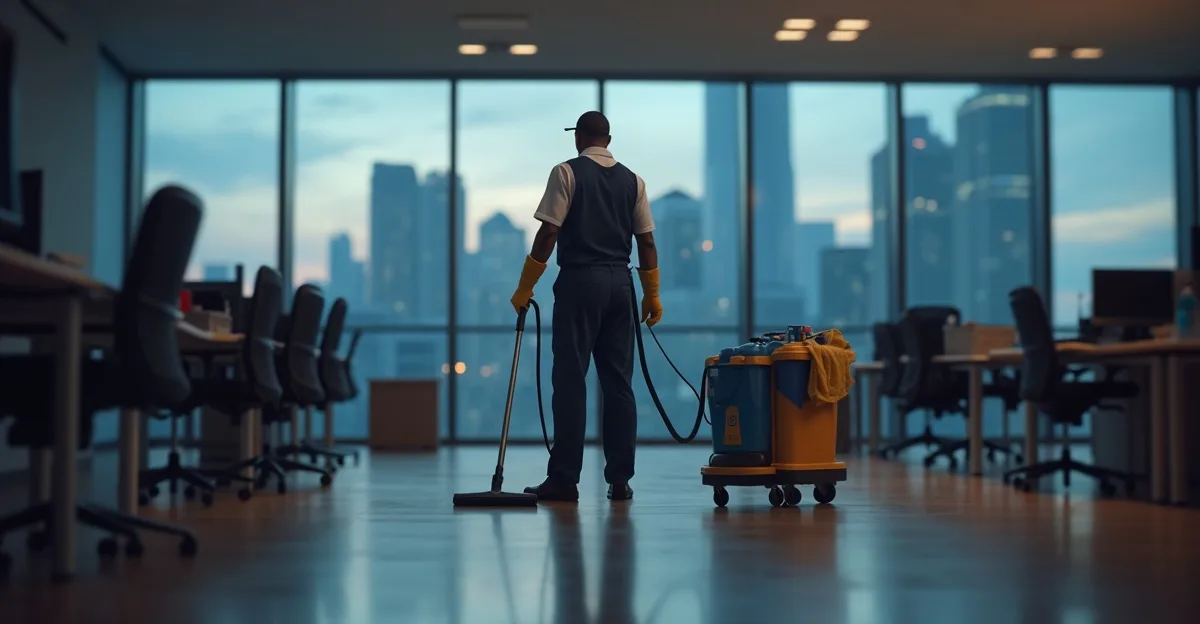
In Australia, we typically see commercial cleaning hourly rates range from AUD $40 to $70 per hour per cleaner. Sydney often sits at the higher end, while Adelaide usually comes in lower. We determine the final hourly cost based on site size, service frequency, compliance demands, supervision levels, and whether we structure the work as an hourly arrangement or a fixed contract.
Key Takeaways
- The average commercial cleaning hourly rate in Australia is $40–$70 per hour per cleaner, with Sydney often at $45–$75+ and Adelaide commonly $40–$60.
- Labour drives most of the cost, and we base it on site size, layout, cleaning frequency, and service scope.
- Medical and high-compliance facilities cost more because we must meet infection control standards, manage documentation, provide staff training, and follow stricter regulations.
- Fixed-price contracts usually rely on estimated hours multiplied by an agreed hourly rate, which gives us and our clients stronger budget certainty than pure hourly models.
- Quotes that fall well below the standard range often signal gaps in wages, supervision, insurance, or compliance systems, and we treat those gaps as long-term risks.
What You Can Expect to Pay Per Hour
The typical commercial cleaning hourly rate in Australia ranges from AUD $40 to $70 per hour per cleaner. Pricing depends on the scope of work, location, and compliance requirements.
In major metro areas like Sydney, rates commonly sit between $45 and $75+ per hour. Higher labour costs, stricter compliance expectations, and complex building access all influence commercial cleaning rates Sydney businesses pay. In Adelaide and similar markets, standard office environments often range from $40 to $60 per hour, which reflects lower operating costs across the city. That’s why commercial cleaning rates Adelaide companies see are usually slightly lower than Sydney equivalents.
Basic office cleaning hourly rate pricing, such as weekday evening cleans with straightforward tasks and minimal compliance, tends to sit at the lower end of the range. On the other hand, medical centre cleaning cost is typically at the higher end. Infection control protocols, clinical waste handling, documentation, and staff training — consistent with Australian infection prevention and control guidelines for healthcare settings — all increase labour time and responsibility.
Many service agreements aren’t strictly hourly. Instead, they’re priced per visit or per month. In those cases, the provider estimates labour hours, multiplies them by an agreed commercial cleaning hourly rate, then builds a fixed figure around frequency. So when businesses ask how much does commercial cleaning cost, the answer often depends on structure as much as it does on an hourly figure.
For a clear picture of what’s typically included, it helps to understand what commercial cleaning covers in a standard contract.
What Affects Commercial Cleaning Costs the Most
Several factors drive commercial cleaning cost Australia wide. Labour is the largest component, and labour time is shaped by details many sites overlook.
Site size, frequency, and scope
Larger spaces require more time. Multiple levels, lifts, detailed amenities, and high-traffic areas all add hours. An open-plan 1,000m² office is very different from a multi-level site with boardrooms, kitchens, showers, and stairwells.
Frequency also matters. Daily cleaning increases total monthly spend but may lower the effective hourly rate compared to ad hoc or weekly services. Consistent scheduling improves efficiency and reduces setup time.
Scope defines the difference between a light wipe-down and a comprehensive service. Basic vacuum-and-wipe packages cost less than contracts that include kitchens, detailed bathroom sanitation, consumable restocking, and periodic deep cleaning. If the differences aren’t clear, reviewing deep vs regular cleaning can clarify expectations.
Compliance, supervision, and equipment
Facility type plays a role. An office cleaning hourly rate won’t match a medical centre cleaning cost profile. Clinical environments require infection control processes, colour-coded systems, documentation, and traceability in line with Australian healthcare environmental cleaning standards.
After-hours or weekend work increases pricing due to penalty rate requirements under the Cleaning Services Award. Penalty rates and controlled building access add coordination time.
Supervision and reporting also shape pricing. On-site supervisors, inspections, audits, and digital reporting tools are often built into higher-value contracts. These measures protect service consistency.
Equipment and consumables matter as well. HEPA-filter vacuums, auto scrubbers, and certified eco-friendly chemicals cost more than basic tools. Some clients ask whether green options raise budgets, and in many cases the answer is more balanced than expected, as explained in eco-friendly cleaning products insights.
Insurance, police checks, and ongoing staff training also form part of the pricing structure. Public liability cover, workers compensation obligations under SafeWork regulations, and properly screened staff protect the client from unnecessary risk. What affects commercial cleaning costs is rarely random. It usually reflects risk management and operational standards.
Hourly Rates vs Fixed Contracts: What’s the Difference?
Pricing models vary across the industry. The main comparison is fixed vs hourly cleaning contract structures.
An hourly cleaning model means a business pays for actual hours worked. This suits smaller sites or facilities with irregular requirements. The flexibility works well in short-term or transitional situations. However, monthly costs can vary if required hours increase.
Fixed-price contracts are more common in commercial cleaning cost Australia agreements. In this model, hours are estimated, multiplied by the agreed commercial cleaning hourly rate, and then adjusted based on frequency per week. The result is a predictable monthly figure.
Fixed contracts provide budget certainty. They also define scope clearly. Service levels, cleaning frequency, and responsibilities are agreed in writing. That structure supports accountability.
Problems arise when fixed contracts are underquoted. If labour hours are underestimated, cleaners may rush or skip tasks to stay within budget. That’s why site inspections and realistic time allocations are essential.
Businesses comparing models often review the difference between janitorial and commercial cleaning to understand how ongoing services fit within broader contracts.
Why the Cheapest Quote Often Costs More in the Long Run
Low commercial cleaning rates Adelaide or Sydney businesses receive can look attractive at first glance. Unfortunately, unusually low pricing often signals hidden gaps.
Common red flags include underpaid staff below award wages, limited supervision, and restricted insurance cover. High staff turnover is another indicator. Constant retraining disrupts consistency.
Property managers and medical administrators face real risks if standards slip. Failed audits, workplace health and safety exposure, tenant complaints, and inconsistent multi-site performance all impact reputation. Rectifying issues often costs more than selecting a reliable provider in the first place.
Commercial cleaning pricing reflects labour conditions, compliance systems, and oversight. When pricing drops far below the typical $40–$70 commercial cleaning hourly rate range, those safeguards are often reduced.
Focusing on value rather than headline price reduces management time and operational risk. What affects commercial cleaning costs usually connects directly to performance consistency and protection for the client.
For larger sites, resourcing matters as well. It’s worth understanding how many cleaners a large office needs before accepting a low quote that assumes unrealistic staffing.
How to Compare Quotes With Confidence
Comparing quotes becomes easier with a structured approach. Start by requesting a clear breakdown of the commercial cleaning pricing structure. Transparency indicates professionalism.
Key points to confirm before signing
Before choosing a provider, confirm the following:
- Full scope of work, including bathrooms, kitchens, touchpoints, consumables, and periodic tasks
- Public liability insurance limits and workers compensation coverage
- Safe Work procedures and documented compliance systems
- Police checks and infection control training where relevant
- Supervision structure and how quality checks are carried out
- Reporting processes for logging and resolving issues
- Realistic time allocation based on actual site size and layout
Warning signs appear quickly. Vague scopes, no site inspection, no written agreement, or large gaps below the standard $40–$70 per hour range should prompt caution.
In Sydney, labour pressures push commercial cleaning Sydney pricing higher than many regional markets. Adelaide generally offers lower ranges, and local options are outlined through commercial cleaning Adelaide services. Even so, final figures depend on site details, frequency, and compliance needs.
Accurate budgeting starts with square metre calculations, defined cleaning frequency, and clear identification of regulatory requirements. Corporate offices, medical facilities, and strata sites all carry different expectations. Structured commercial cleaning services are built around detailed site inspections for that reason.
Industry averages provide guidance. Reliable pricing comes from a tailored assessment. For an accurate breakdown of commercial cleaning cost Australia businesses can expect, a detailed inspection through the contact team ensures figures reflect real operational needs rather than broad estimates.
Frequently Asked Questions
The average commercial cleaning hourly rate in Australia ranges from $40 to $70 per hour per cleaner. Metro cities like Sydney may exceed this range due to higher labour and compliance costs. Final pricing depends on site size, service frequency, and cleaning scope. Specialised environments such as medical facilities typically sit at the higher end.
Commercial cleaning hourly rates vary due to differences in labour costs, operating expenses, and local market demand. Larger cities often have higher wages, stricter compliance standards, and increased insurance requirements. Regional areas may offer lower rates because overheads are reduced. Location directly influences overall service pricing.
A commercial cleaning hourly rate is calculated based on labour costs, estimated time on site, supervision, equipment, and compliance requirements. Providers assess square metre size, layout complexity, and service frequency to estimate required hours. The hourly figure is then applied to those projected hours to determine total cost.
In many contracts, the commercial cleaning hourly rate includes standard equipment and general cleaning supplies. However, specialised consumables, hygiene products, or advanced machinery may be charged separately. It’s important to confirm what is included in the quoted rate to avoid unexpected additional costs.
A fixed-price contract can provide more budget certainty than paying a pure hourly rate. While hourly arrangements suit short-term or variable needs, fixed agreements estimate labour hours in advance and lock in a predictable monthly cost. The best option depends on site stability, service frequency, and operational requirements.