
Cleaning for High-Traffic Corporate Spaces
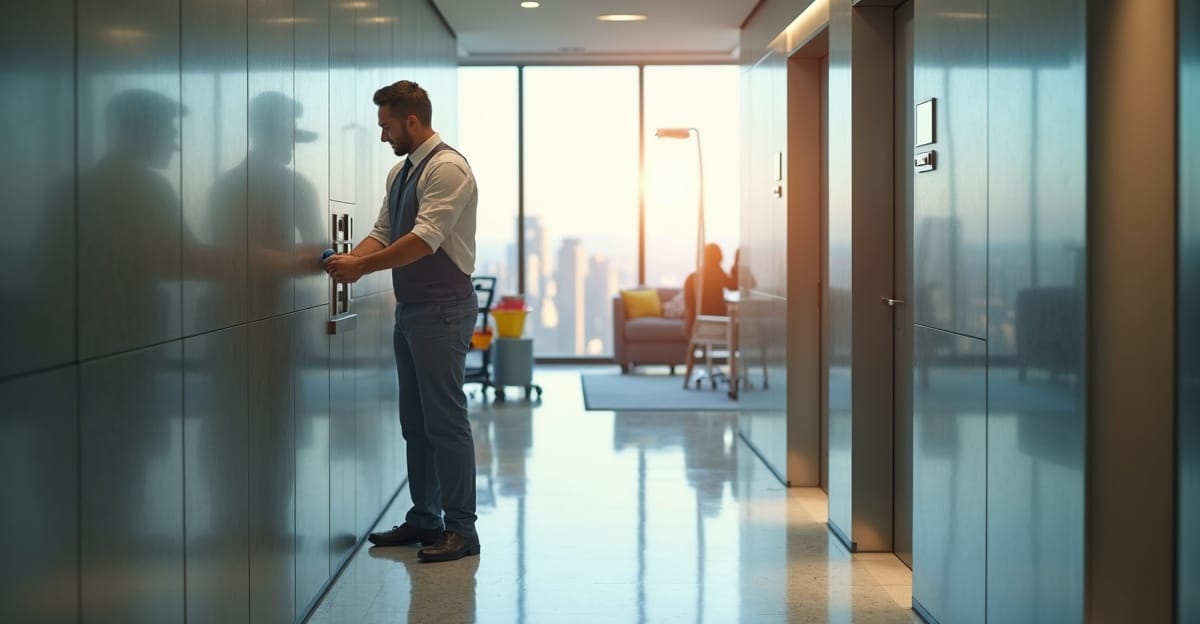
Cleaning for High-Traffic Corporate Spaces demands more than a simple nightly reset. Constant foot traffic, shared kitchens, lift lobbies, and multi-tenant amenities create continuous use throughout the day. We structure cleaning for high-traffic offices around clear frequencies, controlled touchpoints, and documented quality checks that match real occupancy patterns in busy corporate and strata-managed buildings.
Key Takeaways
- A single daily clean falls short in high-traffic environments where teams and visitors use shared surfaces and amenities all day.
- We align cleaning frequencies with headcount, movement patterns, and actual surface usage, scheduling multiple daily touchpoint resets in higher-risk zones.
- High-contact areas such as lift buttons, swipe panels, kitchens, bathrooms, reception desks, and hot-desking stations require documented and verified cleaning schedules that we track and review.
- Strong service blends detailed after-hours cleaning with structured daytime support, maintaining hygiene standards without interrupting operations.
- Trusted cleaning partners define clear scopes of work, apply visible quality controls, and deliver measurable reporting to maintain consistency and accountability.
Why High-Traffic Offices Break Standard Cleaning Routines
Cleaning high-traffic offices isn’t the same as cleaning a quiet suburban workspace. Foot traffic is constant. Shared kitchens never sit idle. Meeting rooms turn over back-to-back. Lift lobbies, swipe panels, bathrooms, and reception desks are used from early morning through late afternoon without pause.
In Adelaide and Sydney corporate buildings, that pressure multiplies. Peak-hour lift usage leaves fingerprints on every button and stainless surface. Strata-managed common areas bring multiple tenants through the same foyers and amenities. Multi-tenant kitchens stay busy all day. Some office complexes even include medical centres, which raise the hygiene bar again.
Standard commercial office cleaning routines often assume one daily reset is enough. That works in low-traffic environments. It fails in busy corporate settings.
When cleaning doesn’t match traffic, the problems show quickly:
- Germs spread faster through shared touchpoints, particularly on high-touch surfaces identified in infection-prevention guidance.
- Reception areas lose visual impact from fingerprints and dust.
- Washrooms develop odours by early afternoon.
- Carpets and hard floors wear down unevenly along main walkways, increasing exposure to workplace slip and trip hazards on walking surfaces.
Decision-makers reviewing cleaning high-traffic offices are often benchmarking current providers. They’re not looking for hype. They want to know whether their office cleaning service reflects real building usage—or just a standard template.
High-traffic corporate spaces demand structured, adaptive professional cleaning for corporate offices. That means planning for turnovers, shared amenities, lift lobbies and common areas, and measurable quality checks. Anything less shows up within days.
Cleaning Frequencies That Actually Work in Busy Corporate Environments
“Clean more often” isn’t a strategy. Cleaning frequencies for offices should match traffic volume, not just square metres.
A 300-square-metre office with 25 staff runs differently from a 3,000-square-metre floorplate with 300 employees and shared meeting zones. We set cleaning schedules based on headcount, occupancy patterns, and shared surface intensity.
A practical high-traffic office cleaning checklist should outline clear intervals.
Structured Frequency Framework
In high-traffic corporate spaces, we typically structure cleaning like this:
- Daily (end-of-day full service):
- Bathrooms cleaned and sanitised, often with multiple checks during the day.
- Kitchens wiped and disinfected.
- Bins emptied and relined.
- High-traffic carpets vacuumed.
- Reception areas reset.
- Multiple times per day (touchpoint control):
- Door handles.
- Lift buttons and handrails.
- Security swipe panels.
- Shared printers and copier screens.
- Kitchen counters and appliance handles.
- Weekly:
- Floor edging and detail vacuuming.
- Glass spot removal in entry areas.
- Meeting room chair and table wipe-downs beyond surface level.
- Periodic (monthly or quarterly, depending on load):
- Carpet extraction through commercial carpet cleaning.
- Hard floor machine scrubbing via professional floor cleaning services.
- High dusting of vents, ledges, and light fittings.
Frequency should reflect how people move through the building. Clean main traffic corridors more often than storage rooms. Service cafés and kitchens more than executive offices with low occupancy.
In one 300+ staff Sydney building, we implement a midday touchpoint reset. A small daytime team quietly sanitises high-contact points and restocks consumables between 11:30 am and 1:30 pm. Meetings continue uninterrupted. Staff barely notice. Hygiene standards stay consistent through the afternoon.
For deeper guidance on wider service intervals, we break down how often offices should be professionally cleaned in more detail. The short version: frequency should follow usage patterns, not assumptions.
Touchpoint Control and Shared Space Hygiene
Effective touchpoint cleaning in offices isn’t random wiping. It follows four steps: identify, document, schedule, verify.
First, identify every shared contact surface. That includes lift lobbies and common areas, reception counters, kitchen benches, fridge handles, bathroom taps, boardroom tables, hot-desking stations, and swipe panels.
Next, document them within scope of works. If a surface isn’t written down, it’s easy to miss.
Then, schedule cleaning intervals based on usage level. High-risk areas get multiple passes daily. Lower-risk zones follow end-of-day servicing.
Finally, verify. Supervisors check completion against the checklist. Digital logs or sign-off sheets prevent guesswork and reflect facility management best practices for cleaning documentation.
High-risk zones in corporate buildings typically include:
- Lift lobbies and common areas used by multiple tenants.
- Reception desks handled by visitors all day.
- Shared kitchens with constant appliance use.
- Bathrooms serving large headcounts.
- Meeting rooms with back-to-back bookings.
- Hot-desking stations where multiple staff rotate.
Where medical centres operate inside office complexes, medical centre cleaning standards apply. Treatment rooms require stricter surface disinfection protocols. Waiting areas must remain visibly clean at all times. Clinical waste handling must align with disposal regulations. In these environments, office cleaning compliance requirements aren’t optional.
Strata-managed sites add another layer. Base building areas may fall under strata building cleaning services, while tenants handle internal suites. Coordination ensures there are no gaps in coverage, especially in shared lifts and foyers.
Visible hygiene cues matter. Clean glass panels, sanitised counters, stocked soap dispensers, and streak-free entry doors build trust. Our approach aligns with how commercial cleaners protect office health—by controlling high-touch points consistently, not occasionally.
Cleaning Around Business Hours Without Disrupting Operations
High-traffic corporate offices can’t afford disruption. Cleaning should support operations, not interrupt them.
The strongest model combines after-hours full cleans with structured daytime touchpoint checks. Evening teams complete detailed tasks: full vacuuming, bathroom sanitisation, bin management, floor care. Daytime attendants perform quick resets focused on hygiene and presentation.
In strata environments, coordination with building management is essential. Lift access, loading docks, security passes, and waste removal times must align with base building rules. Without that structure, service becomes inconsistent.
Peak-hour lift usage needs planning. Early morning cleaning in lobbies should finish before 8:30 am. Shared entry points require quick-response support during heavy rain or events.
Board meetings and internal events require temporary adjustments. Conference rooms may need immediate resets before guests arrive. Tenant move-ins generate dust and debris that standard schedules don’t cover.
A reliable commercial cleaning company works from a clear scope of works, agreed service windows, and contingency planning. We outline exactly what happens after-hours, what happens during business hours, and what triggers extra support.
For operational planning detail, we outline how to schedule cleaning with minimal disruption so facilities teams can align service with real building patterns.
Consistency builds trust. Random arrival times and visible disruptions break it.
Quality Control, Reporting, and Accountability
Office cleaning quality control should be visible and structured.
At minimum, it includes scheduled site inspections and unannounced spot checks. Supervisors review high-traffic zones against a documented high-traffic office cleaning checklist.
Sign-offs matter. Teams acknowledge tasks completed. Supervisors confirm standards. Any issue triggers an escalation pathway with defined response times.
Common pain points in high-traffic buildings include:
- Inconsistent quality
- Unclear scopes
- Limited supervision
- Poor communication
Those issues rarely stem from effort alone. They stem from weak oversight systems.
Corporate and medical environments often expect documented evidence of cleaning activity. Compliance checks, incident logs, and response records support transparency.
Decision-makers should expect measurable service levels, not general promises. We explain practical measurement methods in detail in how to measure cleaning quality in offices. Cleaners should know what good looks like. Managers should know how to confirm it.
Transparency builds long-term partnerships. Vague reassurances don’t.
What to Expect from a Reliable Cleaning Partner in Adelaide or Sydney
Benchmarking cleaning high-traffic offices starts with the right questions.
Operations leads, office managers, and strata managers should ask current providers:
- How are cleaning frequencies for offices structured where foot traffic is high?
- What process governs touchpoint cleaning in offices during business hours?
- How are office cleaning compliance requirements managed in medical centres or strata environments?
- What does quality control look like in practice? Are inspections documented and shared?
Clear answers reveal whether service matches building reality.
High-traffic environments often require integrated commercial cleaning services supported by defined strata building cleaning services where applicable. They also require teams experienced in corporate workplace cleaning—spaces with shared amenities, brand expectations, and compliance pressures.
A reliable commercial cleaning company won’t rely on generic schedules. We assess traffic flow, lift usage, shared facilities, and event patterns. We recommend practical frequency adjustments. We document scope clearly. We communicate consistently.
For organisations reviewing current arrangements, a structured site walkthrough often highlights gaps within minutes. Reception wear patterns, midday bathroom condition, and lift panel presentation quickly show whether frequency aligns with usage.
We’re always ready to provide a clear, pressure-free review. Teams can request a walkthrough through our contact page and compare current performance against structured standards. Strong cleaning high-traffic offices doesn’t rely on guesswork. It relies on planning, consistency, and accountability.
Frequently Asked Questions
The best cleaning schedule for high-traffic offices combines daily deep cleaning with multiple touchpoint checks throughout the day. High-contact surfaces like door handles, lift buttons, kitchen counters, and bathroom fixtures should be sanitised several times daily. End-of-day cleaning typically includes vacuuming, bin removal, bathroom disinfection, and surface wiping. Cleaning frequency should align with employee headcount, visitor volume, and how often shared spaces are used.
Touchpoints in busy office environments should be cleaned multiple times per day, especially in shared areas. High-contact surfaces such as door handles, lift buttons, swipe panels, and shared equipment accumulate germs quickly when many people pass through. Cleaning teams often schedule midday resets and afternoon checks to maintain hygiene. Documented cleaning intervals help ensure consistent sanitation across reception areas, kitchens, meeting rooms, and bathrooms.
A single daily clean is often insufficient for high-traffic workplaces because surfaces are continuously used throughout the day. Shared kitchens, bathrooms, meeting rooms, and entry points accumulate fingerprints, spills, and bacteria within hours. Without daytime maintenance, hygiene and presentation can decline quickly. Multiple cleaning intervals help control germs, maintain professional appearance, and ensure facilities remain usable for staff and visitors during business hours.
The areas that require the most attention in high-traffic offices are shared spaces and high-contact surfaces. These typically include lift lobbies, reception desks, bathrooms, kitchens, door handles, meeting room tables, and hot-desking stations. Because many people interact with these surfaces daily, they collect dirt and germs faster than private offices. Targeting these zones with scheduled cleaning helps maintain workplace hygiene and consistent visual standards.
Companies maintain consistent cleaning standards in large offices through structured cleaning plans and quality control systems. This usually includes defined scopes of work, checklists for high-traffic areas, and regular site inspections by supervisors. Some organisations also use digital logs or sign-off sheets to confirm tasks were completed. These processes help track cleaning performance, identify missed areas, and maintain accountability in busy corporate environments.